Short, dated notes from our projects: what the team saw, screened, and learned, tagged by program across our work in global health.
 Read the note
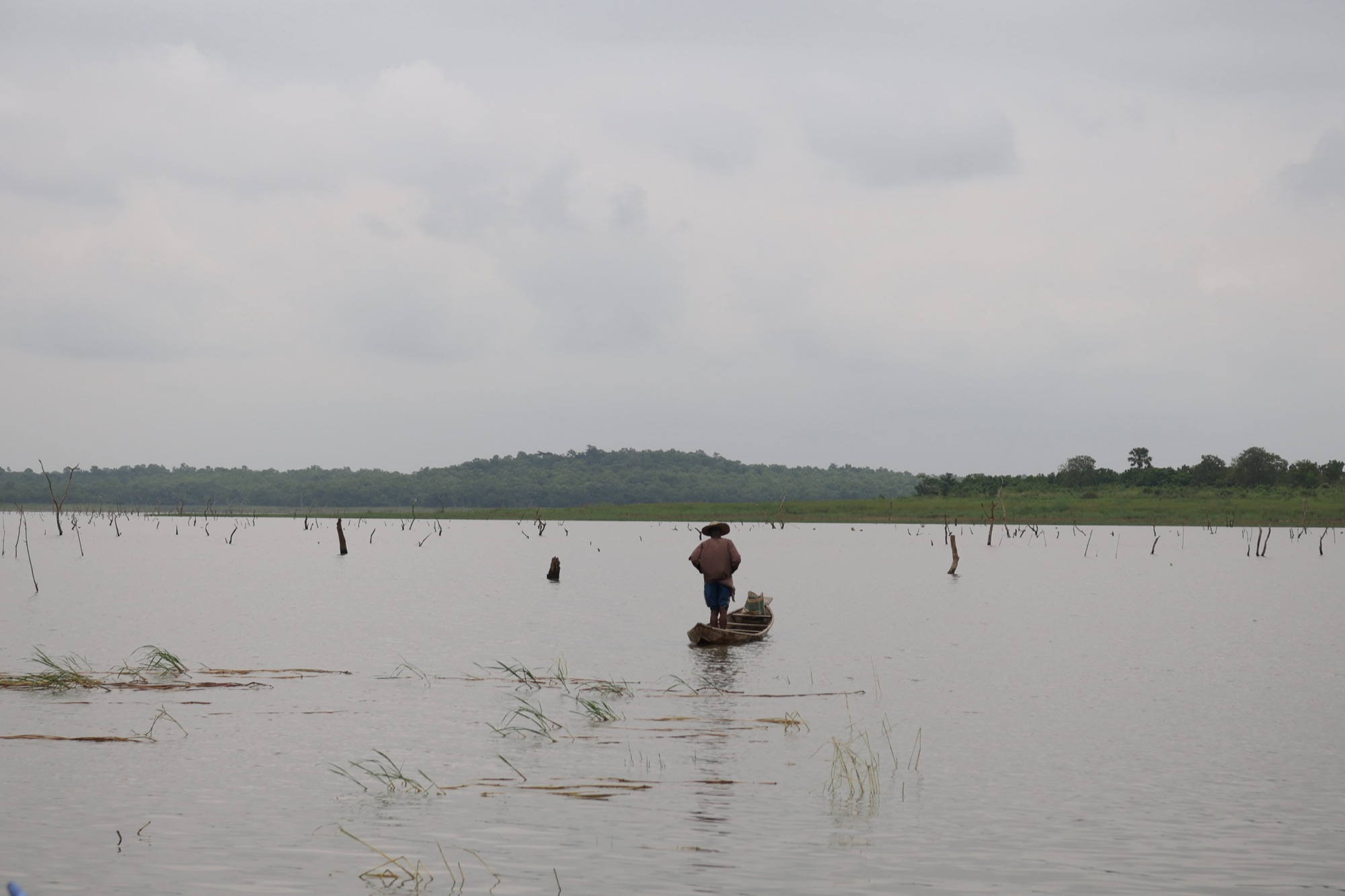
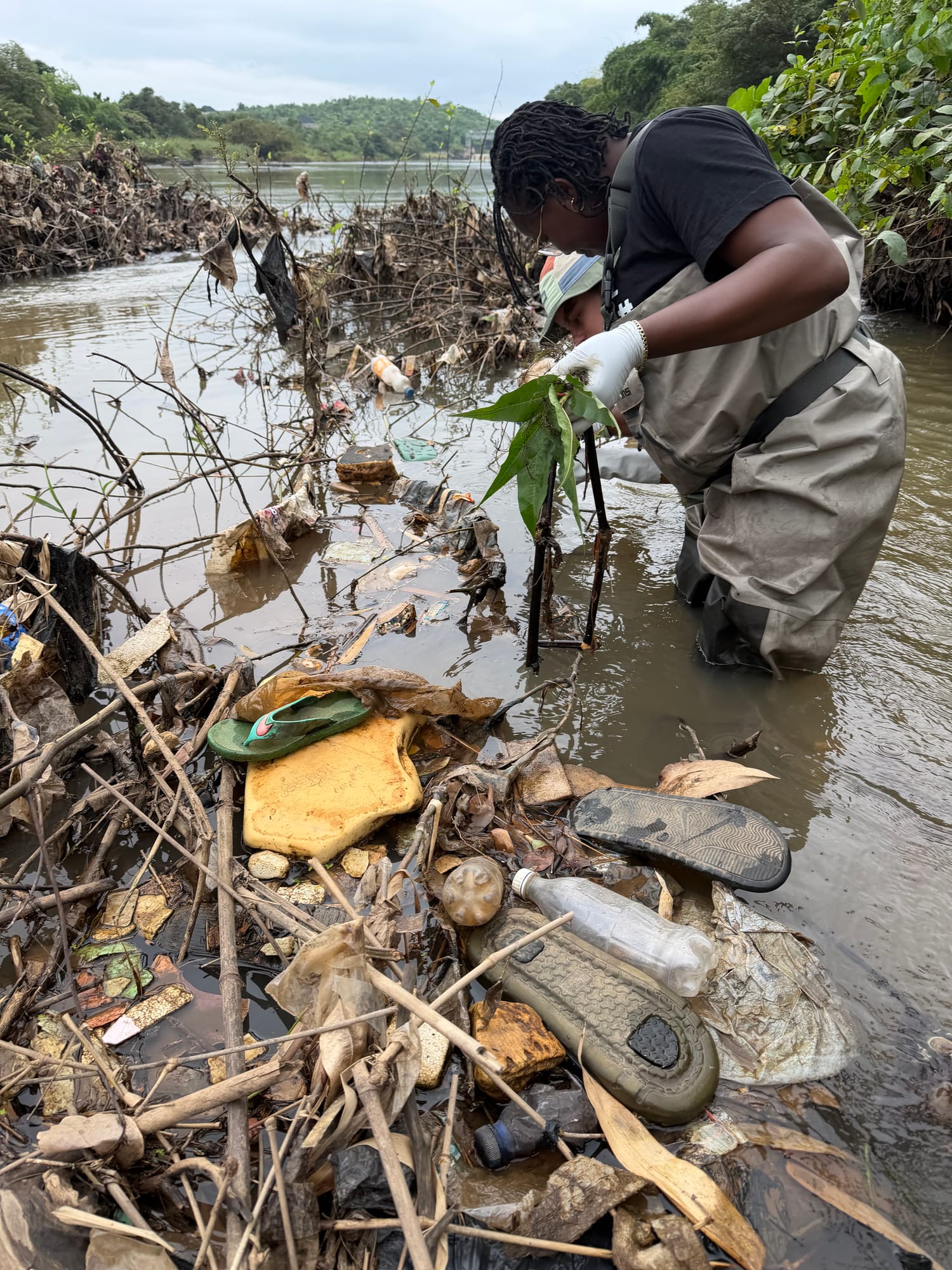
 A SCOPE field note from August’s snail survey: why we look for snails at all, what a Stanford lab found when snails met biofouled plastic, how we sampled 181 random quadrats without cherry-picking, and what trash does (and doesn’t) tell us about where the parasite lives.
 Read the note
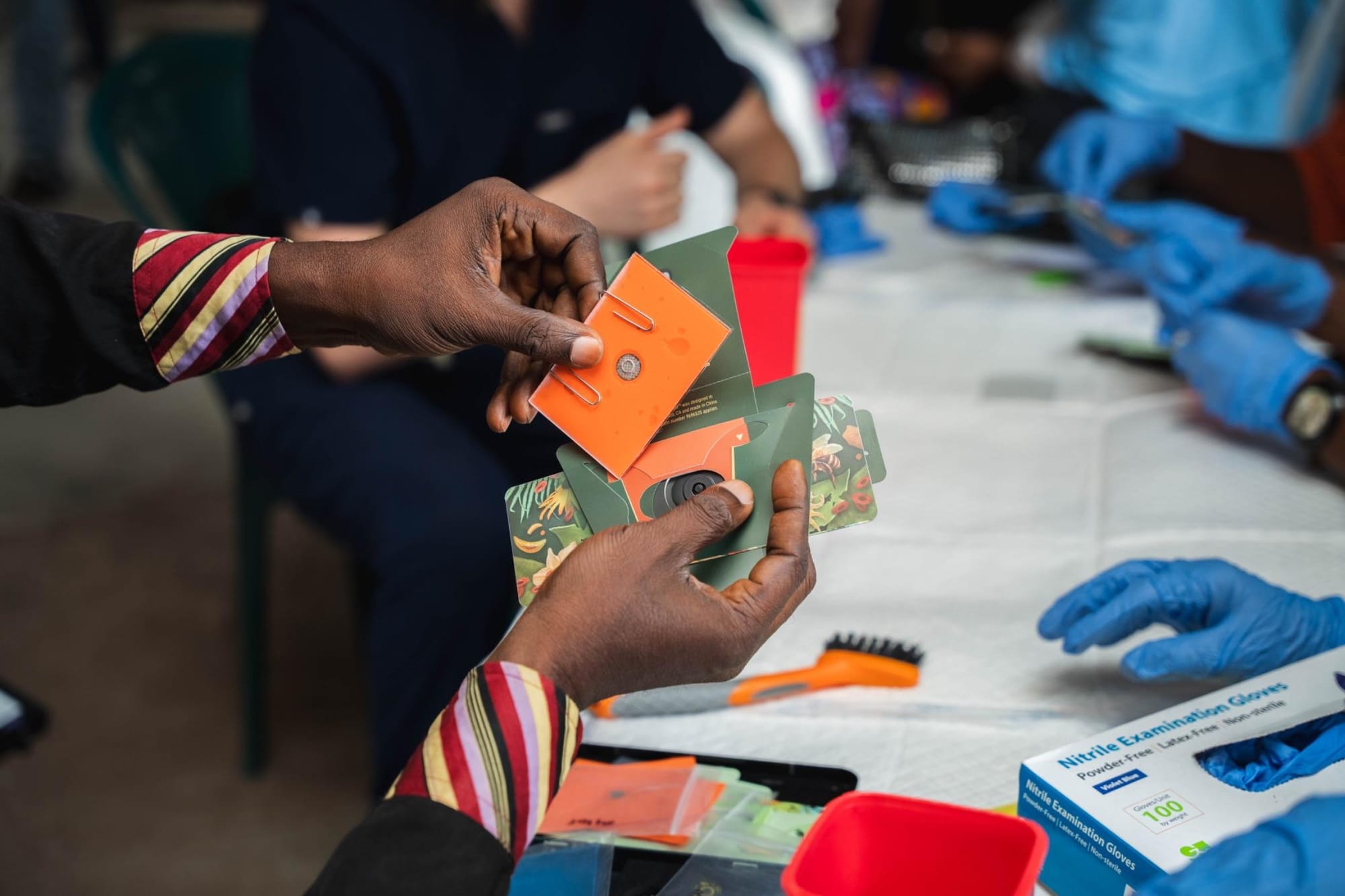
 Back from Nigeria, Caroline takes the SchistoFilter into formal validation: 100% sensitivity so far, a limit of detection of one egg per 10 mL, and answers in 2–3 minutes instead of 10–15.
 Read the note
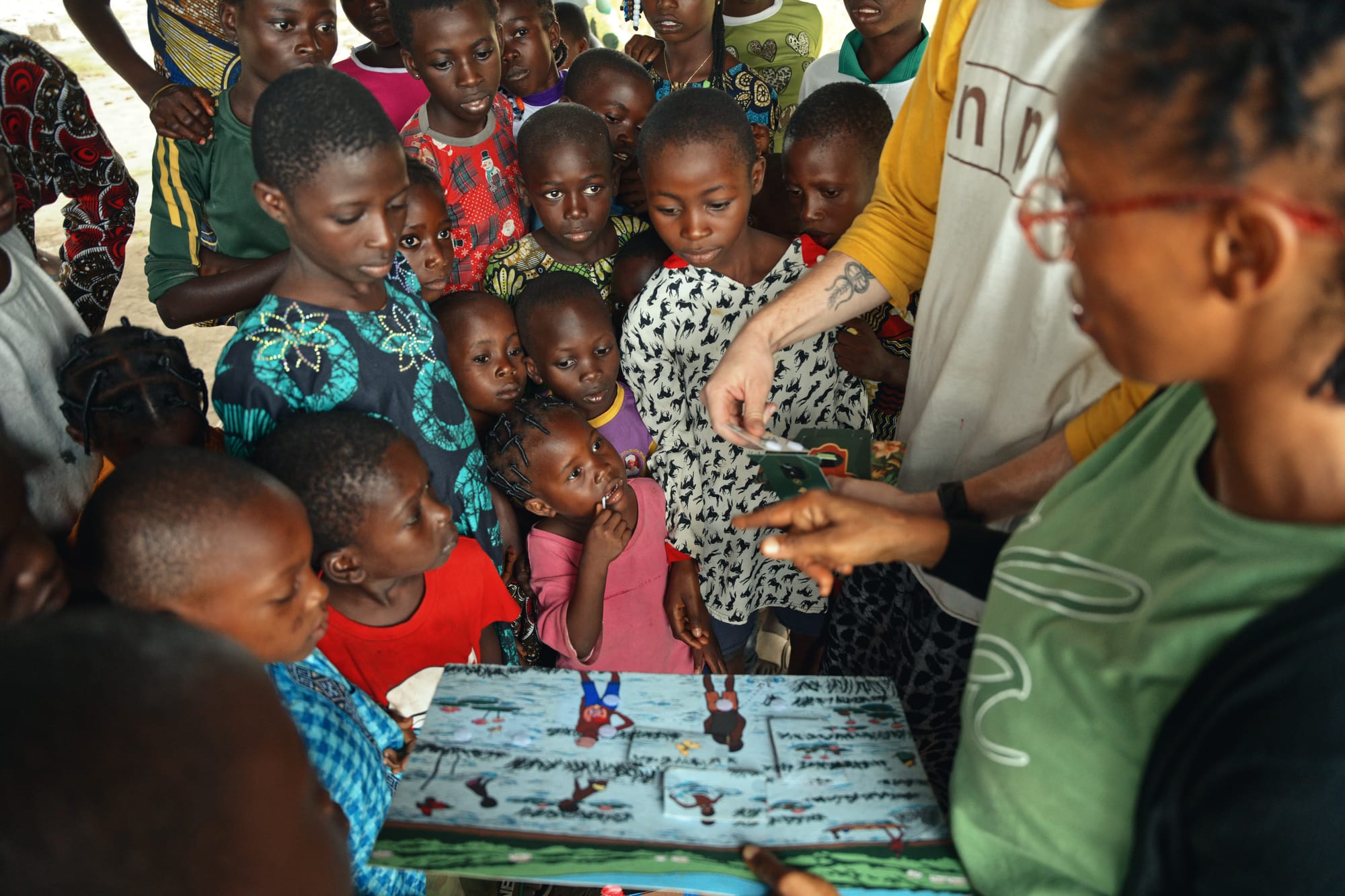
 How do you teach a life cycle no one can see? An education note from Imoto: the Hidden Worlds puzzle, what 191 children knew at baseline, and a pop quiz that ended in butterflies.
 Read the note
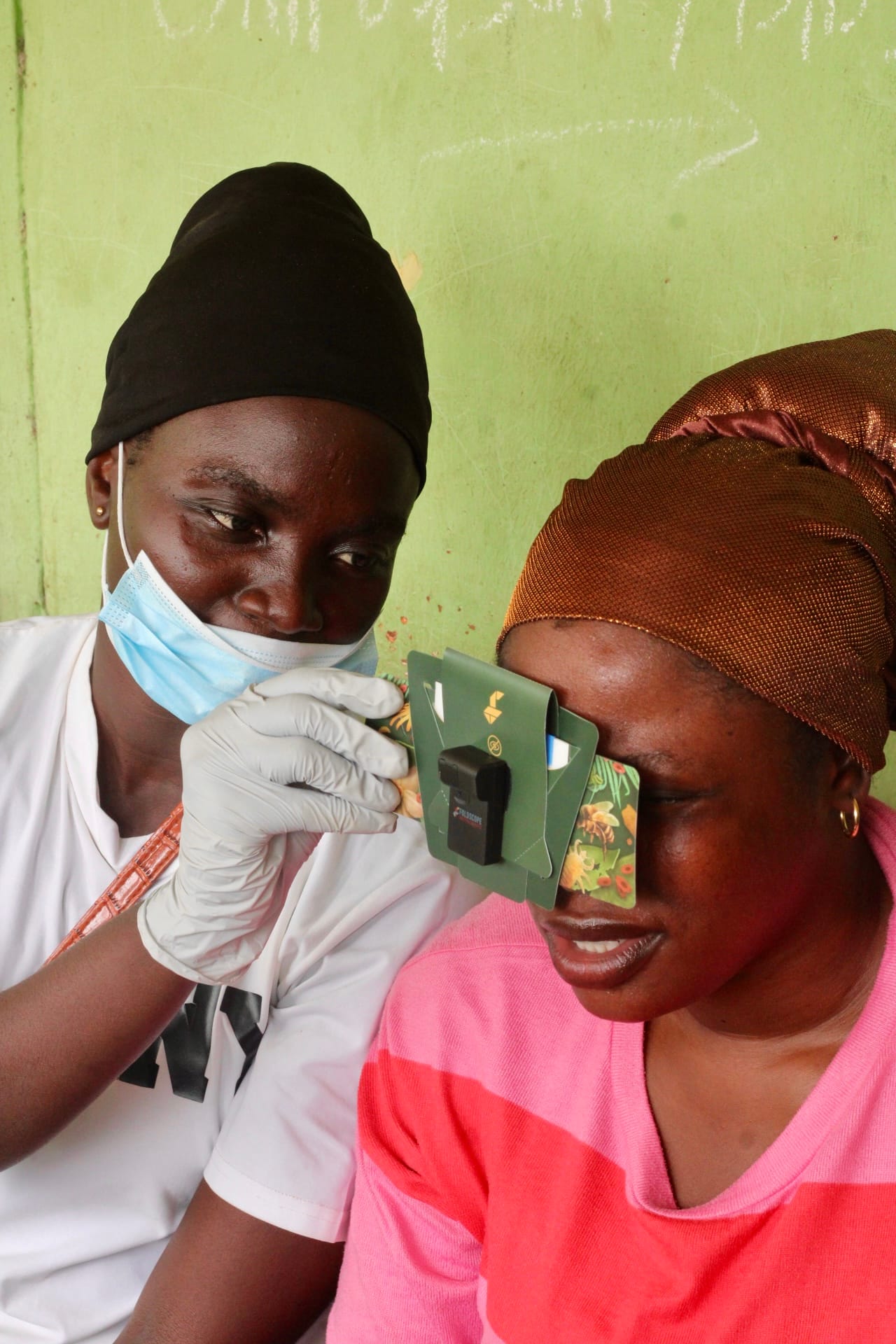
 Praziquantel reaches the first community in SCOPE’s test-and-treat trial: what the drug does, why it rarely makes the trip, and how community health workers will test, treat, and track.
 Read the note
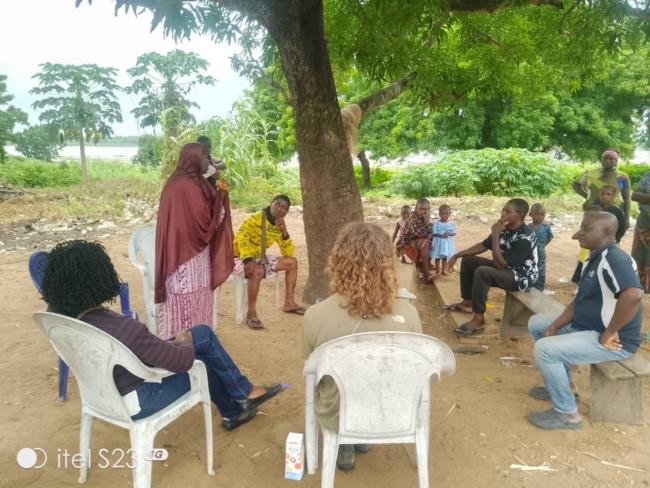
 The Ogun State Health Research Ethics Committee approved SCOPE after full committee review. Here’s what the approval requires, and the consent, supervision, and community-permission practices behind it.
 Read the note
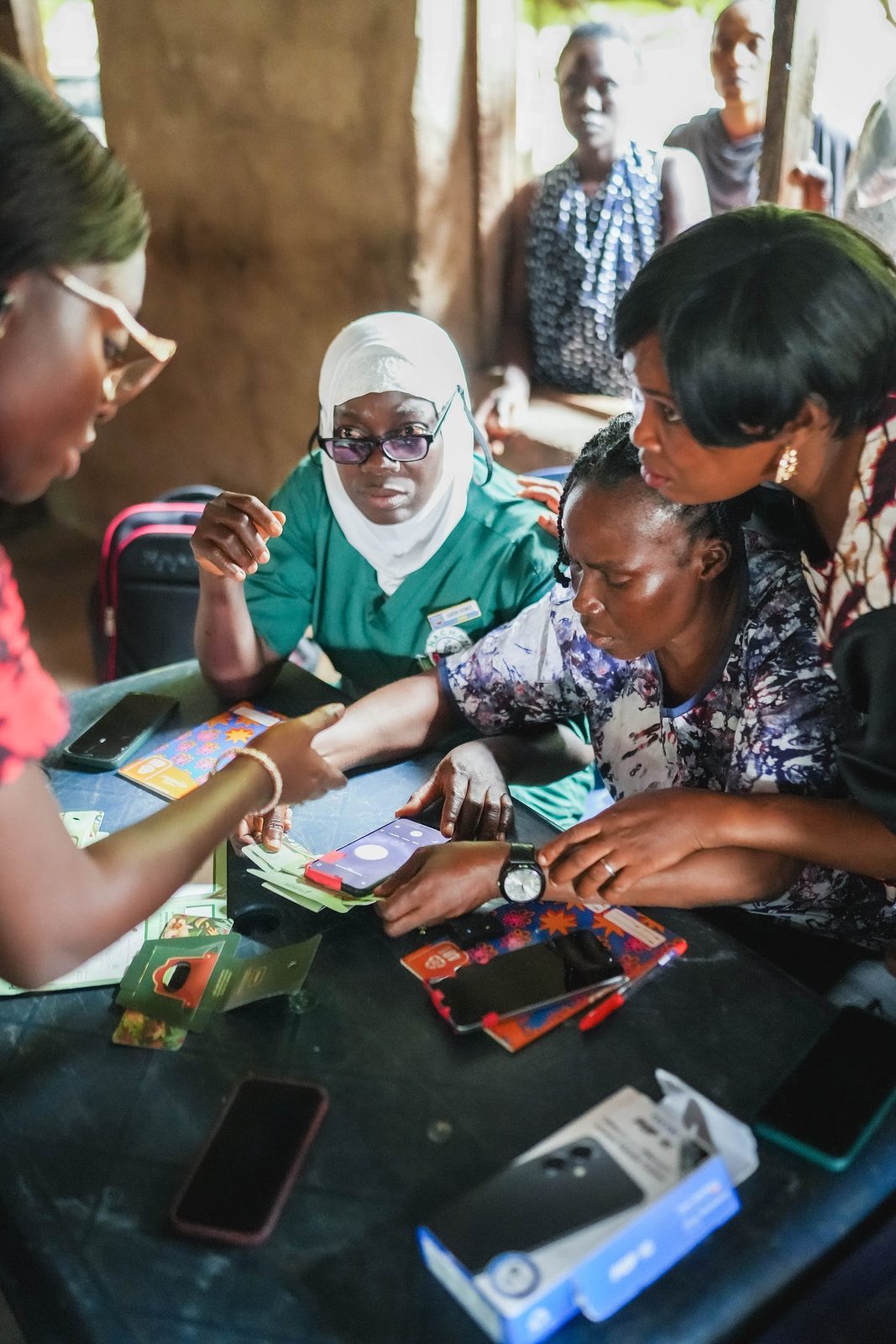
 A SCOPE essay from the Oyan River communities: a van with a punctured gas tank, a community health worker with a bar of soap, and what six days of Foldscope diagnostics taught the team about where innovation actually lives.
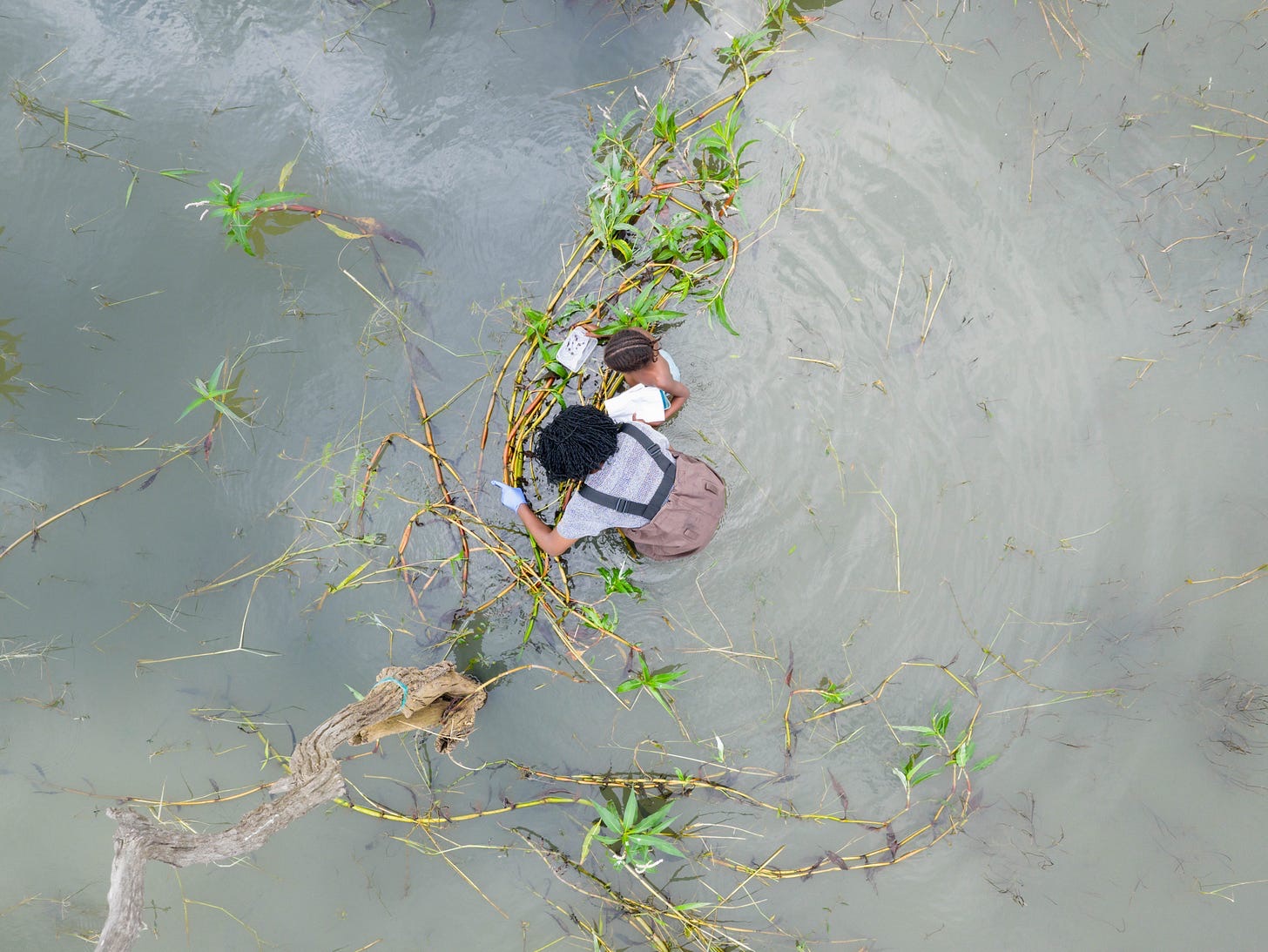 Read the note
 A field note from the SCOPE Symposium at Stanford on schistosomiasis control through a One Health lens. Snail-scooping on the Oyan River, aquaculture in Senegal, low-cost diagnostics, and a puzzle built to teach the parasite to schoolchildren.
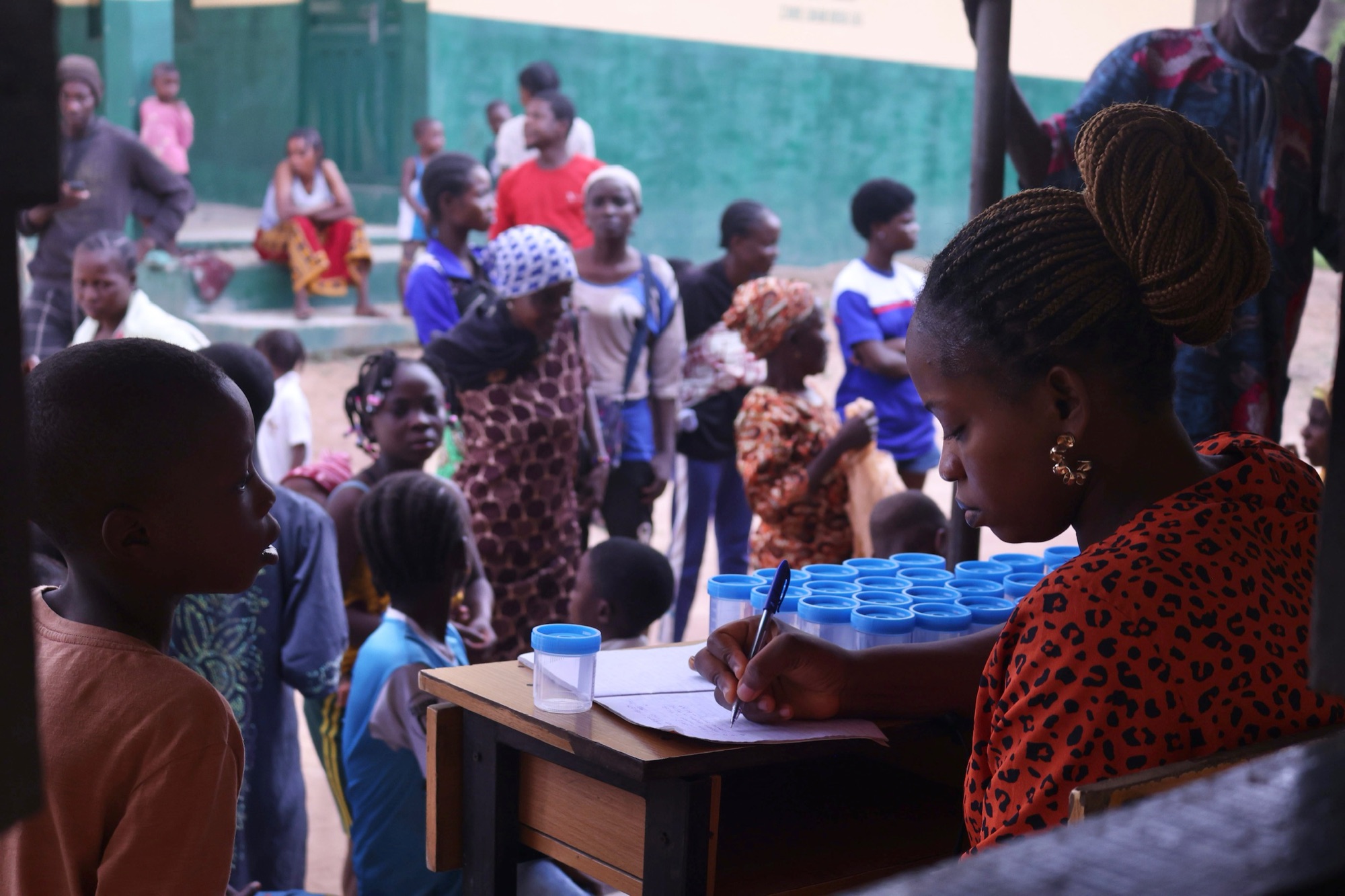 Read the note
 Our first manuscript is on medRxiv. A plain-language walk through what 418 participants, five communities, and eight days of community-led diagnosis showed, and what the numbers mean.
 Read the note
 An Idea Garden note on the “valley of death” in healthcare innovation, and Project Prana’s plan for a globally sourced problem bank that pairs real clinical needs with the innovators who can solve them.
 Read the note
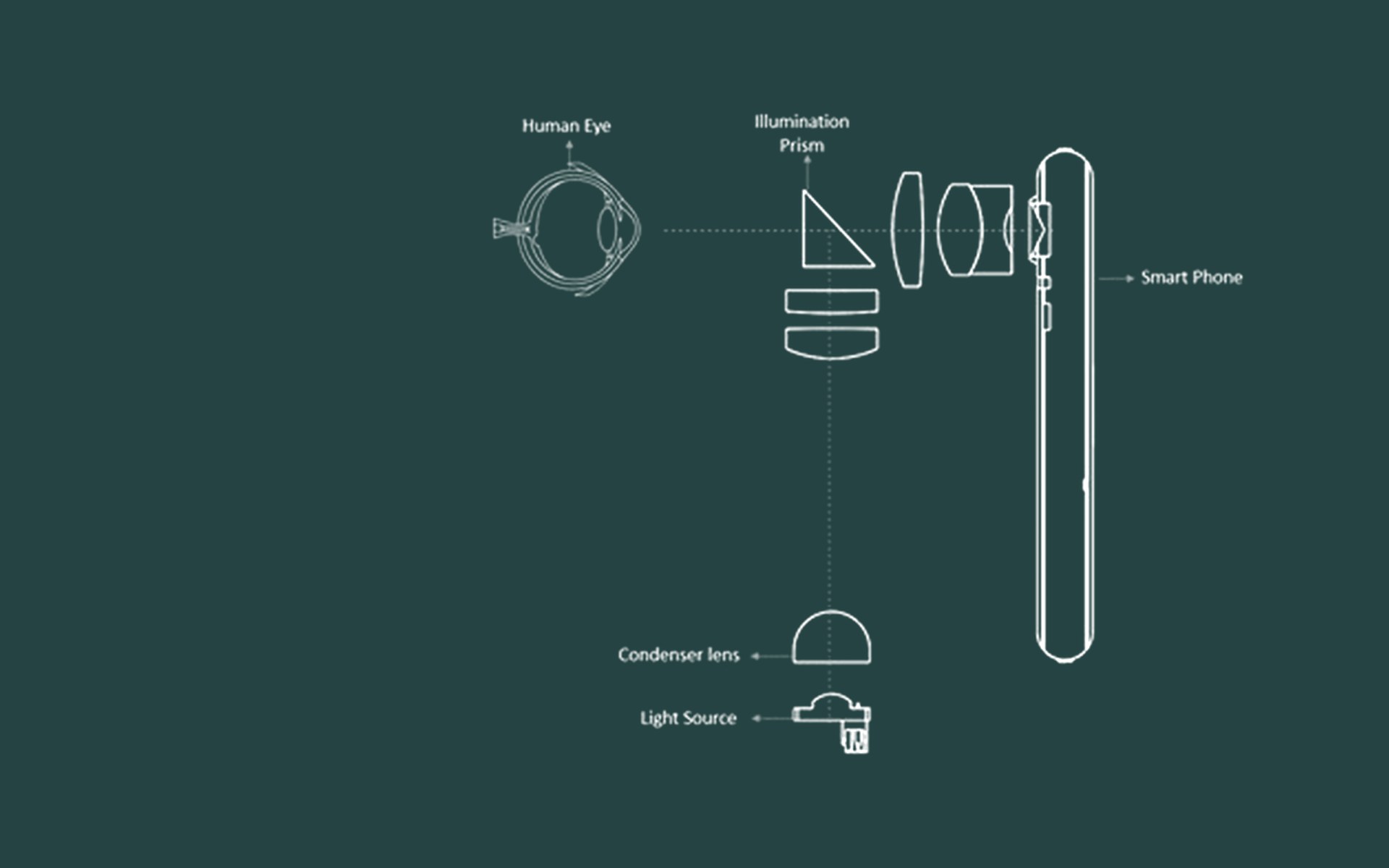
 An Idea Garden note on a portable, 3D-printed slit lamp paired with a smartphone: the published evidence that it works, and a 2026 plan to validate it in a real Houston clinic workflow.
 Read the note
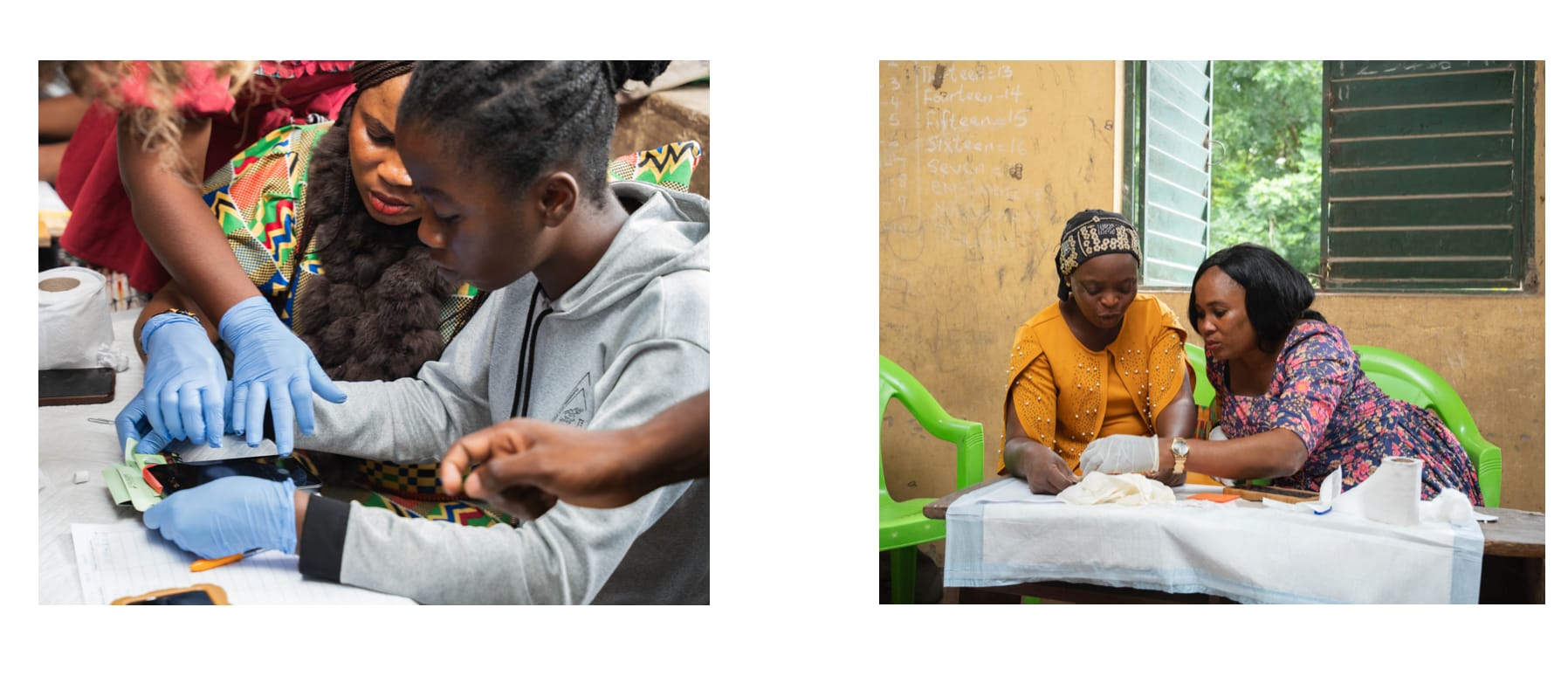
 The first results from the 2025 field study: the Foldscope matched conventional microscopes, community health workers improved village by village, and 60% of people had never been treated before.
 Read the note
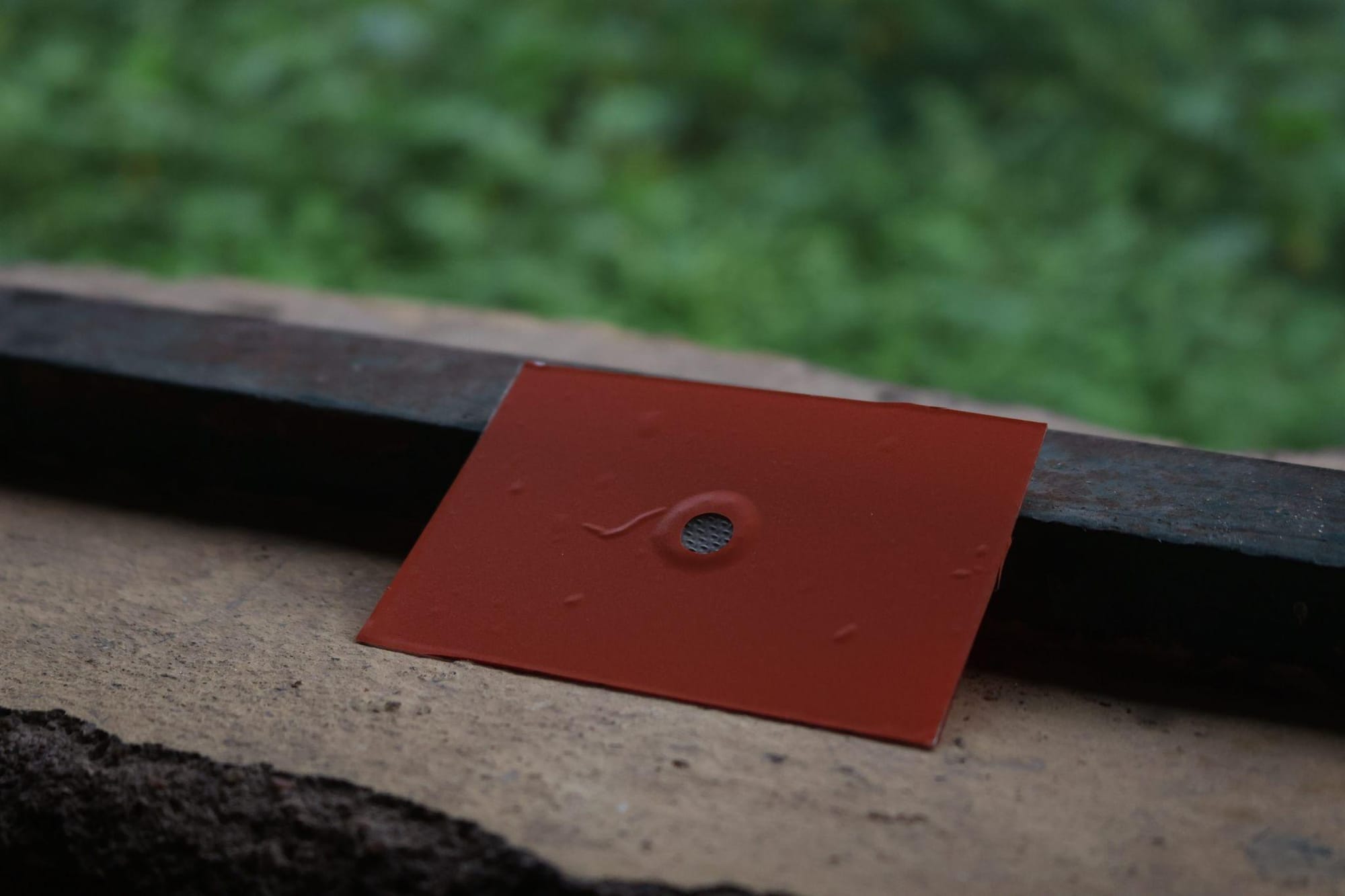
 A design story: from trapping eggs to filtering them, a day at a Houston makerspace, and the two versions of the SchistoFilter card, including the one that went to Nigeria.
 Read the note
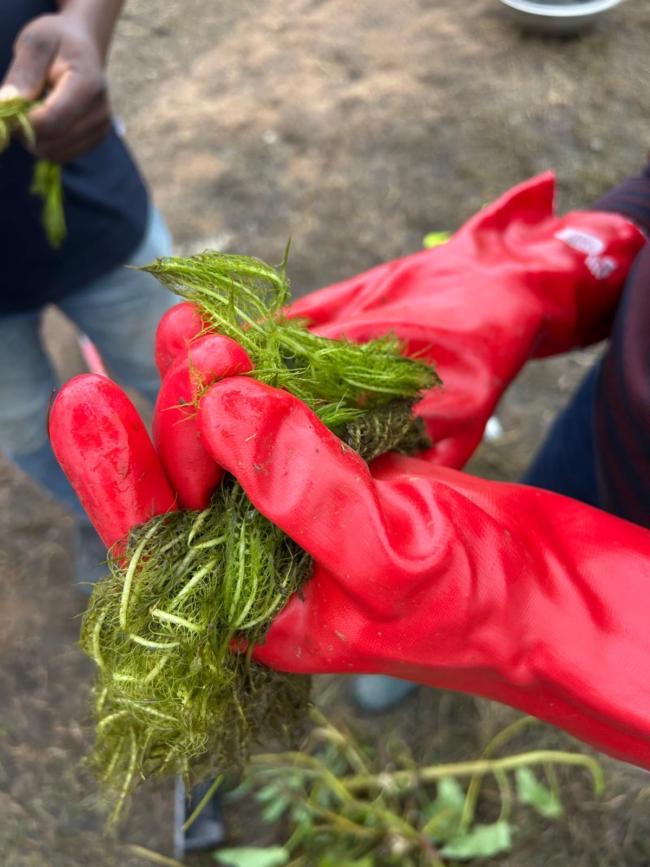
 Nigeria Field Notes, Part II. From the Ogun State Ministry of Health to the western edge of the reservoir at Imala Odo: community permissions, smoked-fish shops, and a first survey of the freshwater snails that carry the disease.
 Read the note
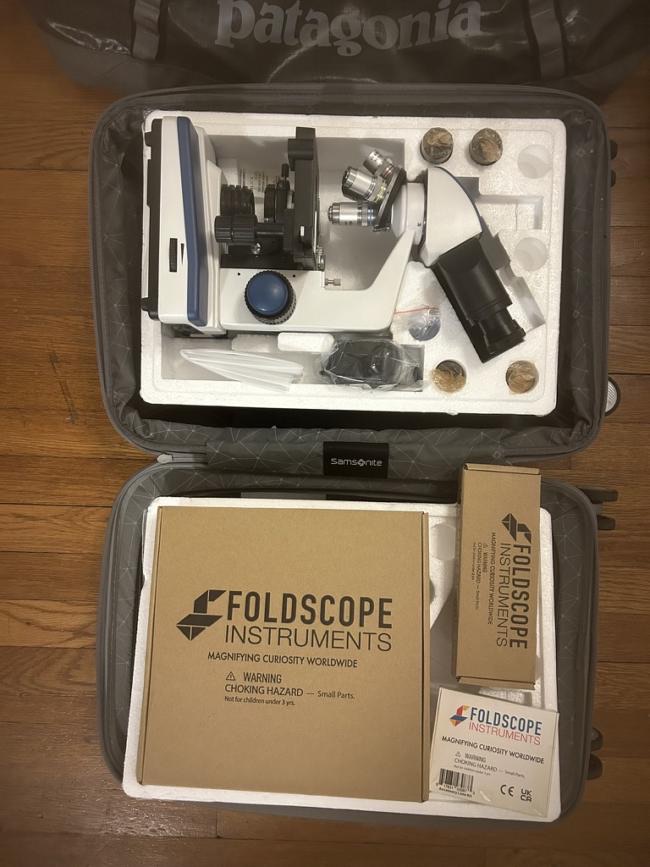
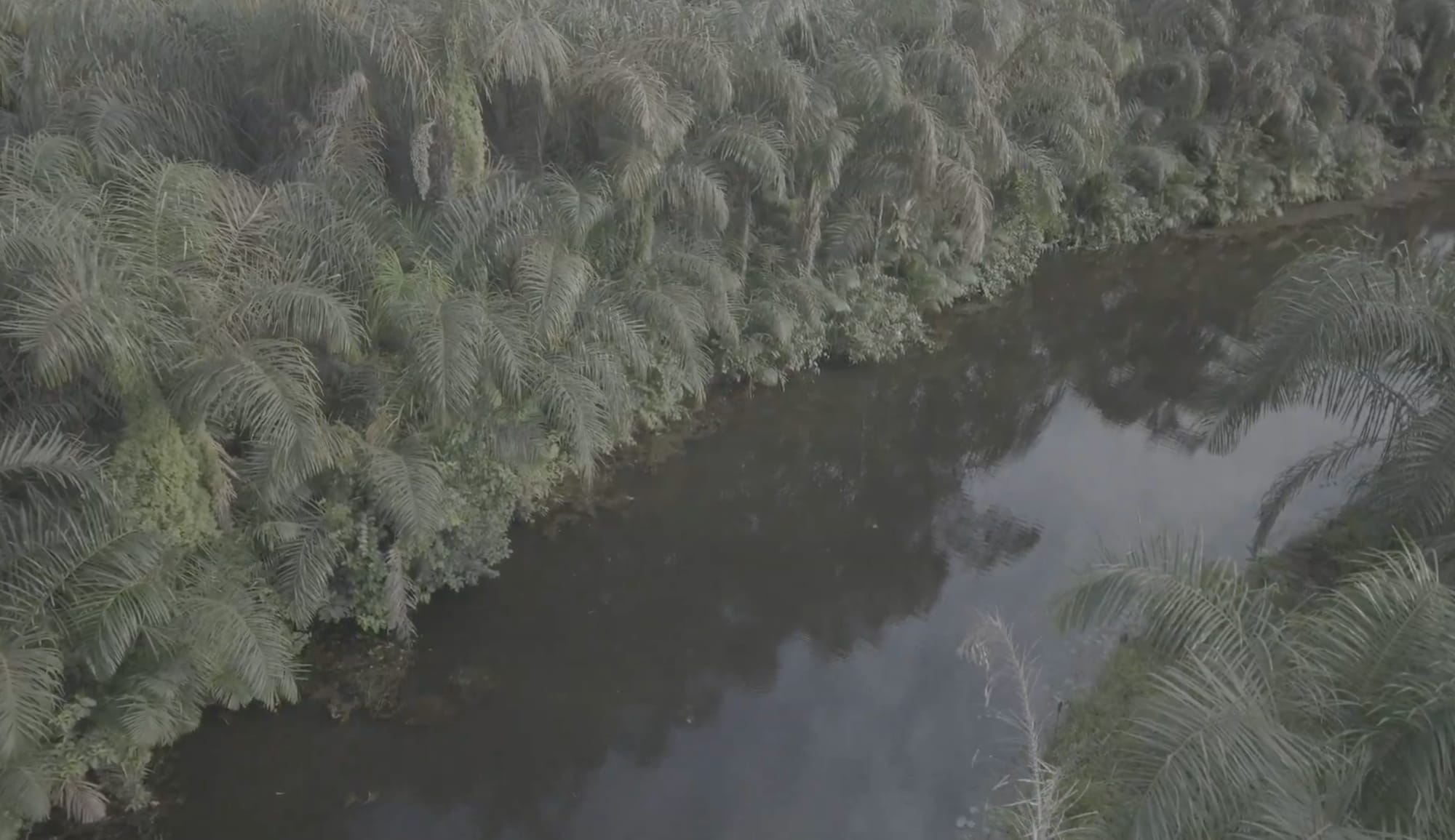
 Nigeria Field Notes, Part I. Notes from the first days in Abeokuta: a room full of motivated researchers, a market-floor experiment to pick the right phone for the Foldscope, and the urgency of doing this work now.
 Read the note
 A week-by-week look at the spring 2025 campaign: the pitch, a $1,800 grant, run-club tabling, and what the money bought.
 Read the note
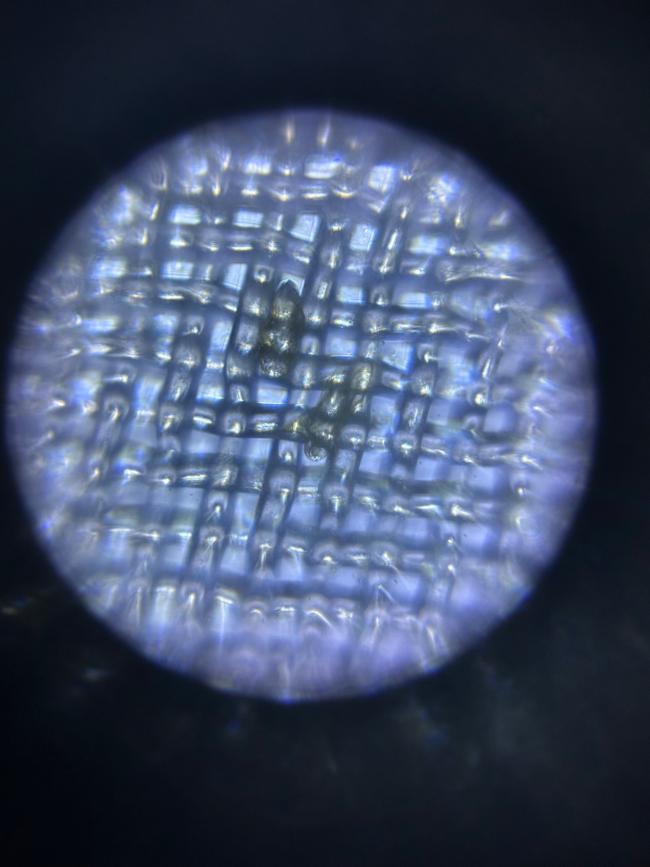
 A field note on the search for the simplest possible schisto filter: reusable nylon mesh, acrylic coverslips, and a string of dinner-napkin ideas, weighed against the constraints of materials, durability, and optics.
 Read the note
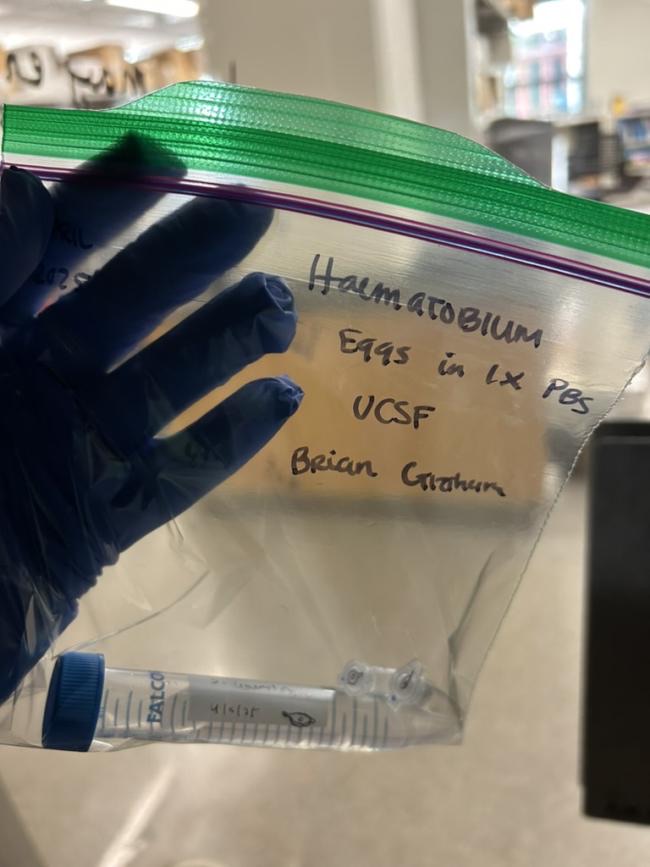
 Through a friend of a friend, a vial of Schistosoma haematobium eggs travels from a UCSF freezer, to a Bay Area lab, and all the way back to Houston. The story of how an unexpected connection put the exact specimen our diagnostics need into our hands.
 Read the note
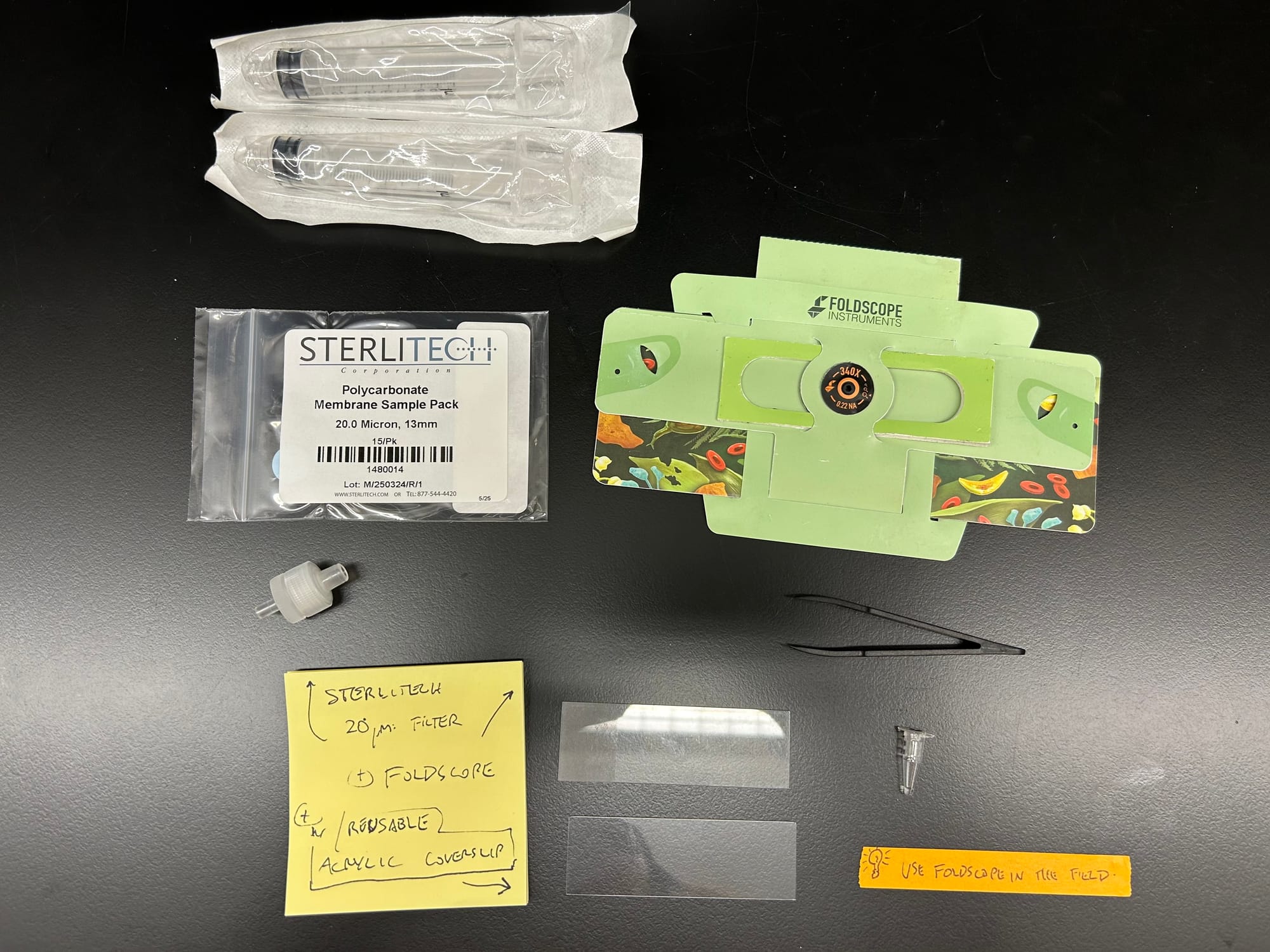
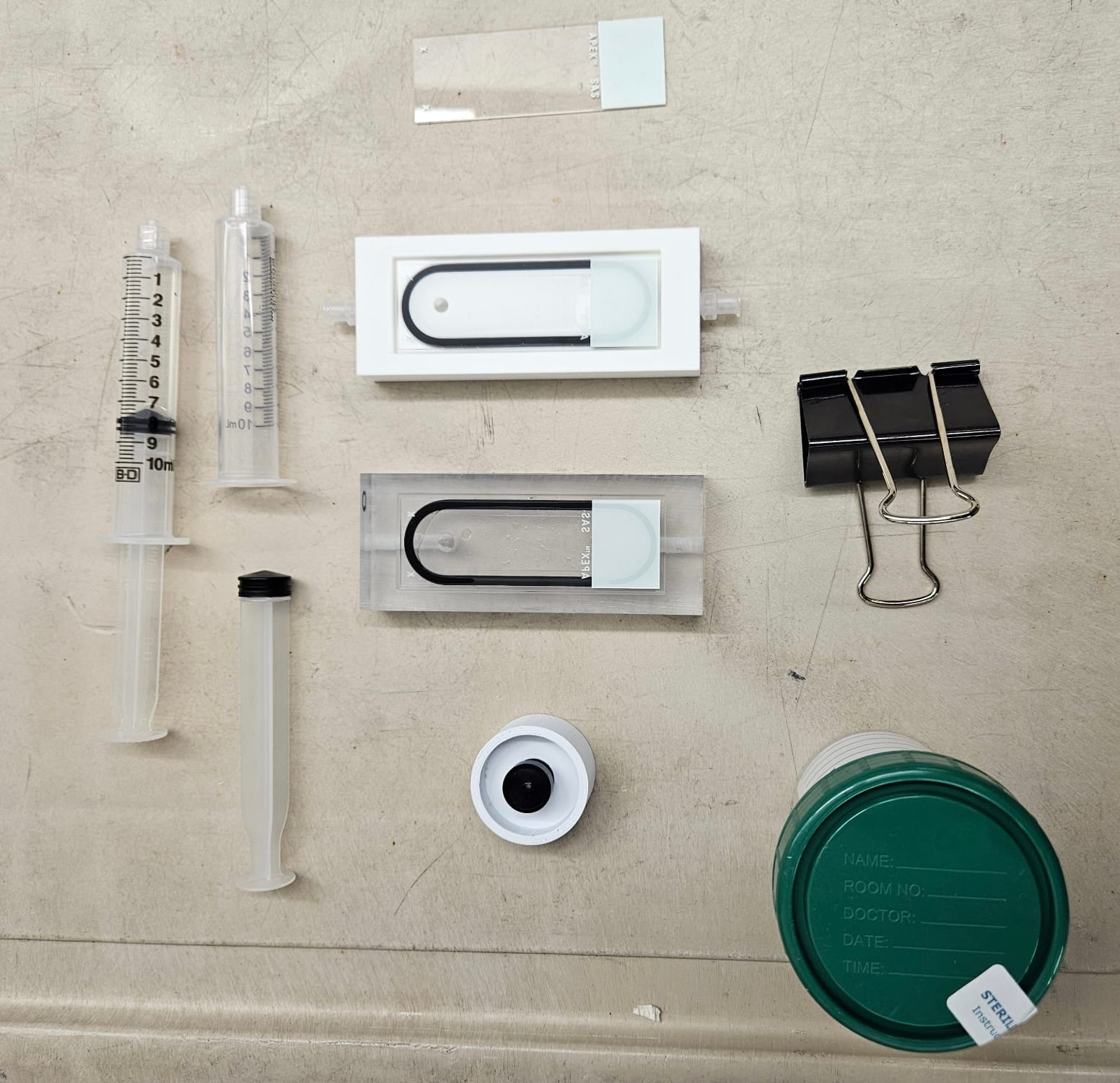
 A Friday-night field note: pairing the Foldscope with a commercial urine-filtration kit, swapping fragile glass for a reusable acrylic coverslip, and testing whether it cleans.
 Read the note
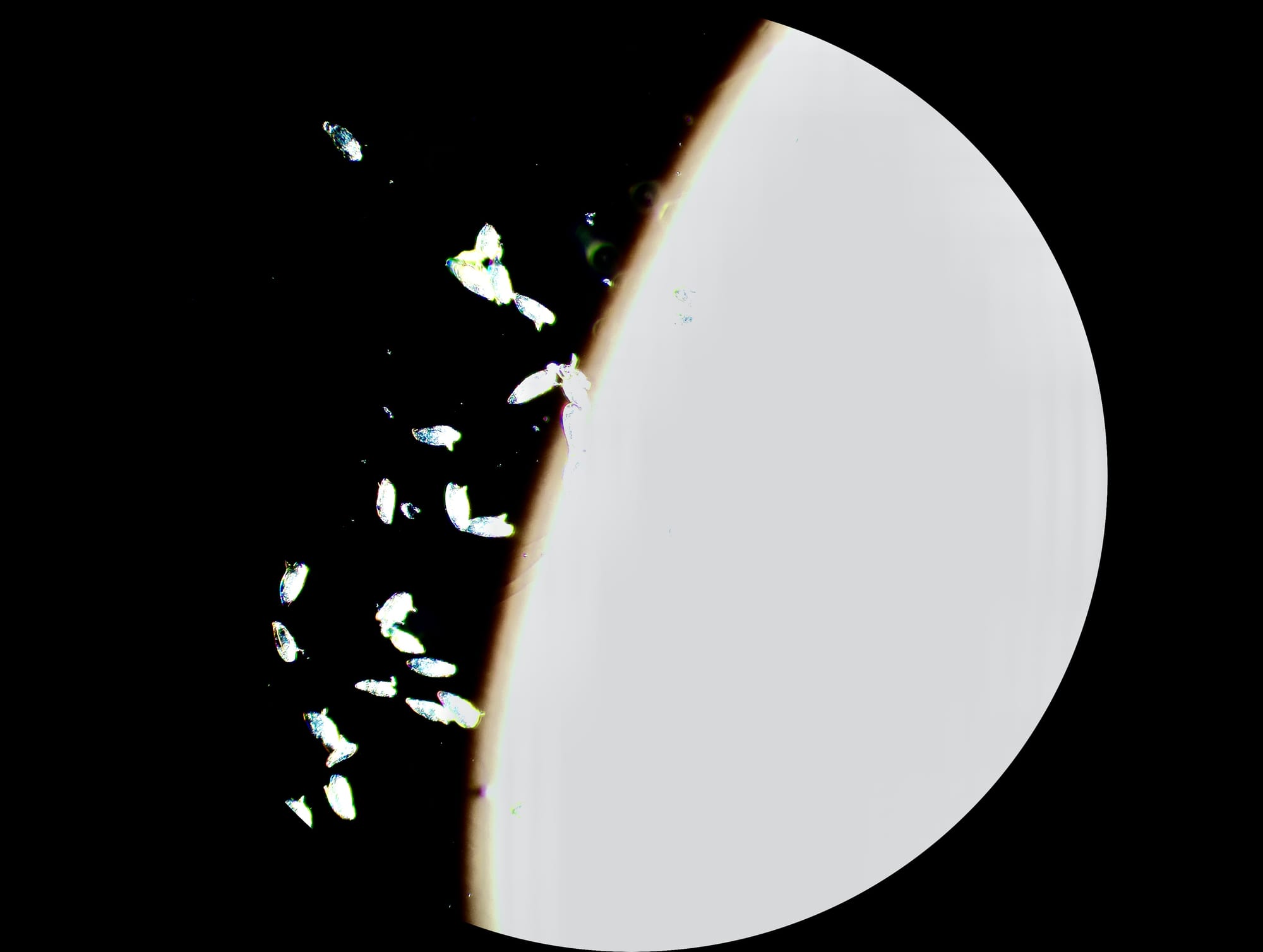
 Two field notes on the 3D-printed egg trap: a first quantitative test, a repeatable counting workflow, leaky seals, binder-clip training wheels, and a snail for the Lee Lab.
 Read the note
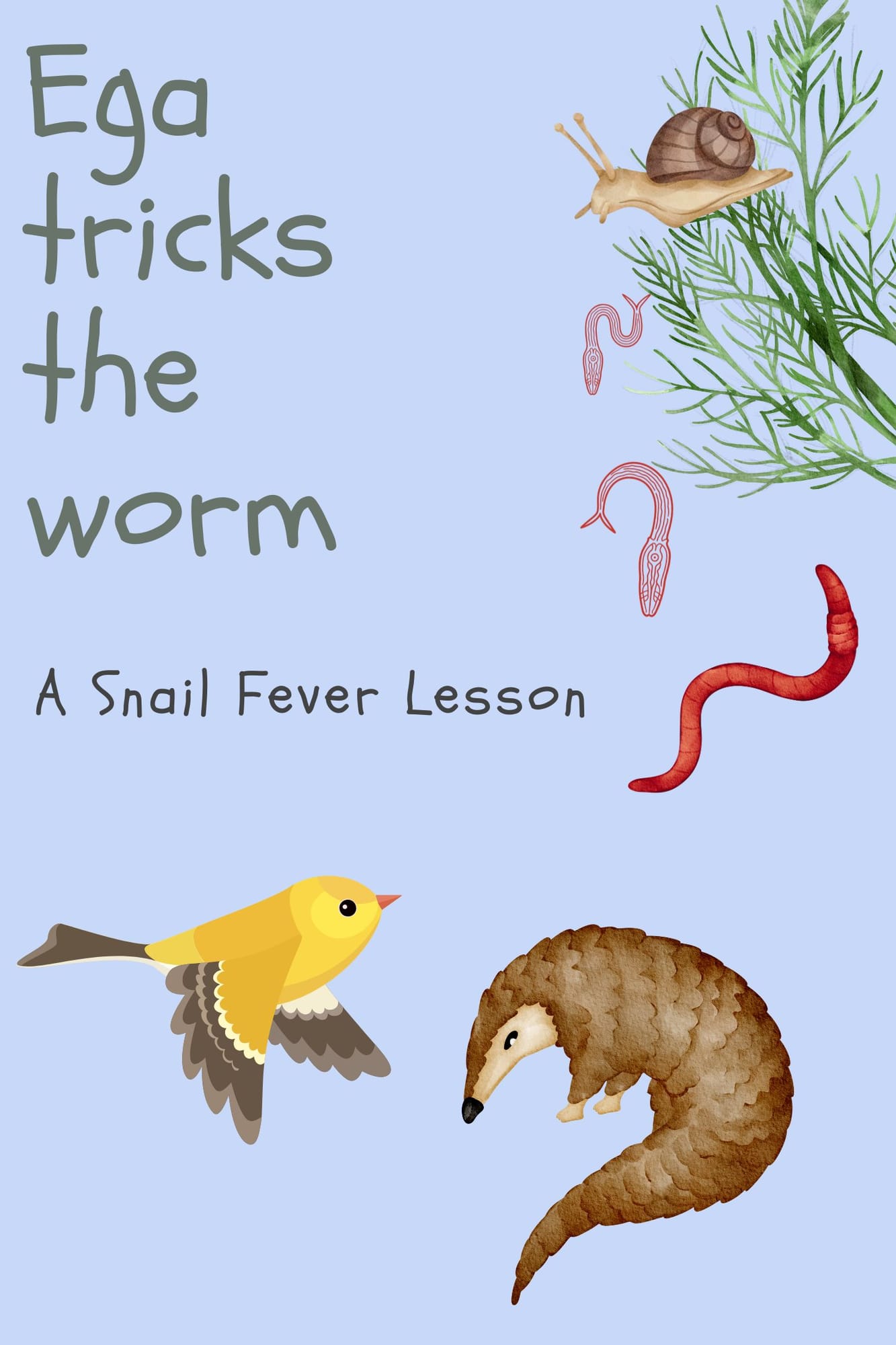
 An education note on a bilingual Yoruba–English storybook, inspired by Schisto & Ladders and the Foldscope, and the idea that grew into Hidden Worlds.
 Read the note
 A frugal-science field note: the Wedge and the Staircase Cell, three printers and three materials, fish-eye optics, and a per-test cost under 60 cents.
 Read the note
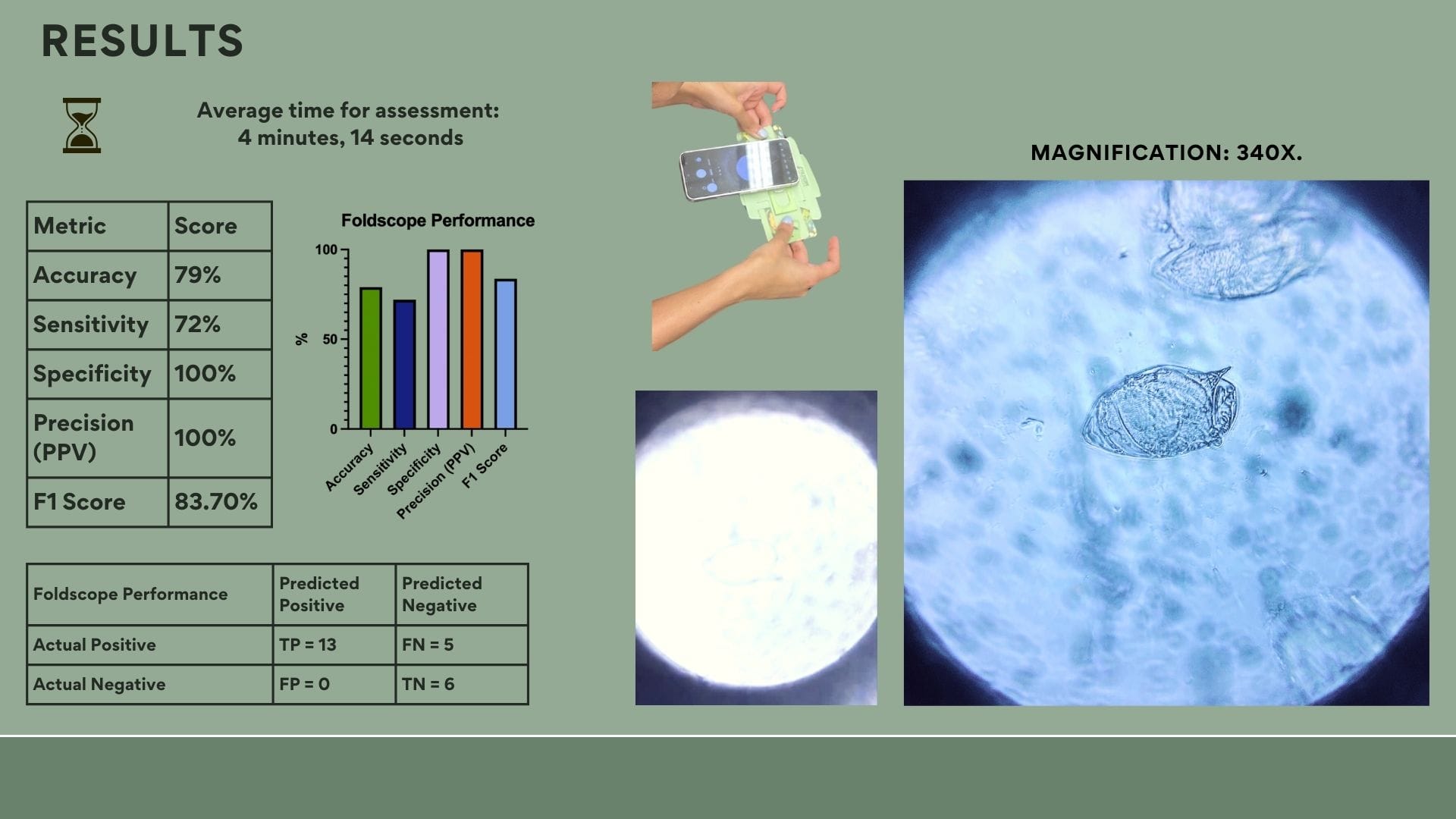
 Where SCOPE’s diagnostics started: a blinded test of untrained Foldscope users (79% accuracy, 100% specificity) and why every mistake pointed at the next problem to solve.