 Imala Odo · Oyan River
With our study set to begin in just a few days, a buzz was in the air. There were several preparatory steps to take in the city and in the village of Imala Odo.
We were eager to meet the Ogun State Director of Public Health to hear his thoughts and earn his blessing on the study. We did so with Dr. Soneye, who kindly introduced us and the work we were beginning.
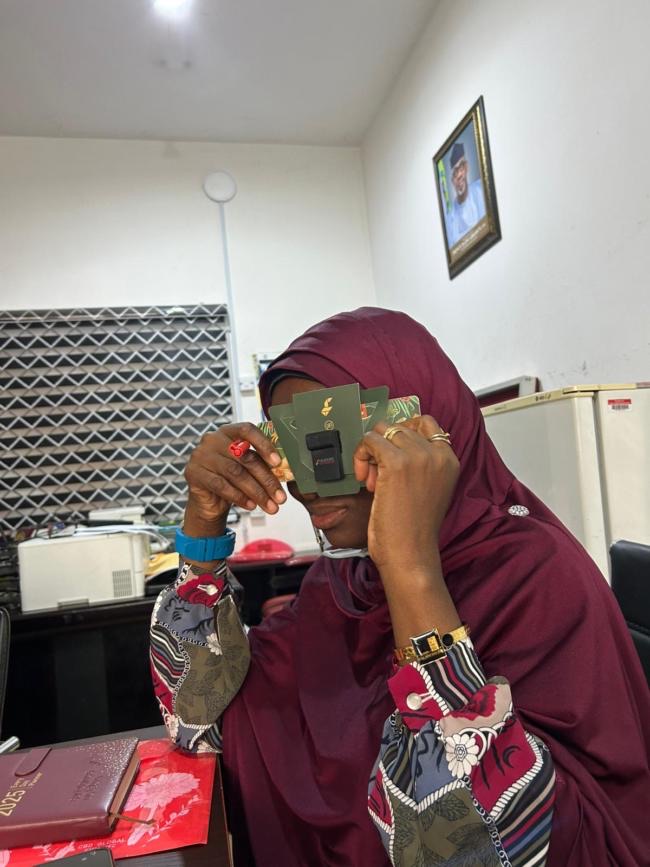
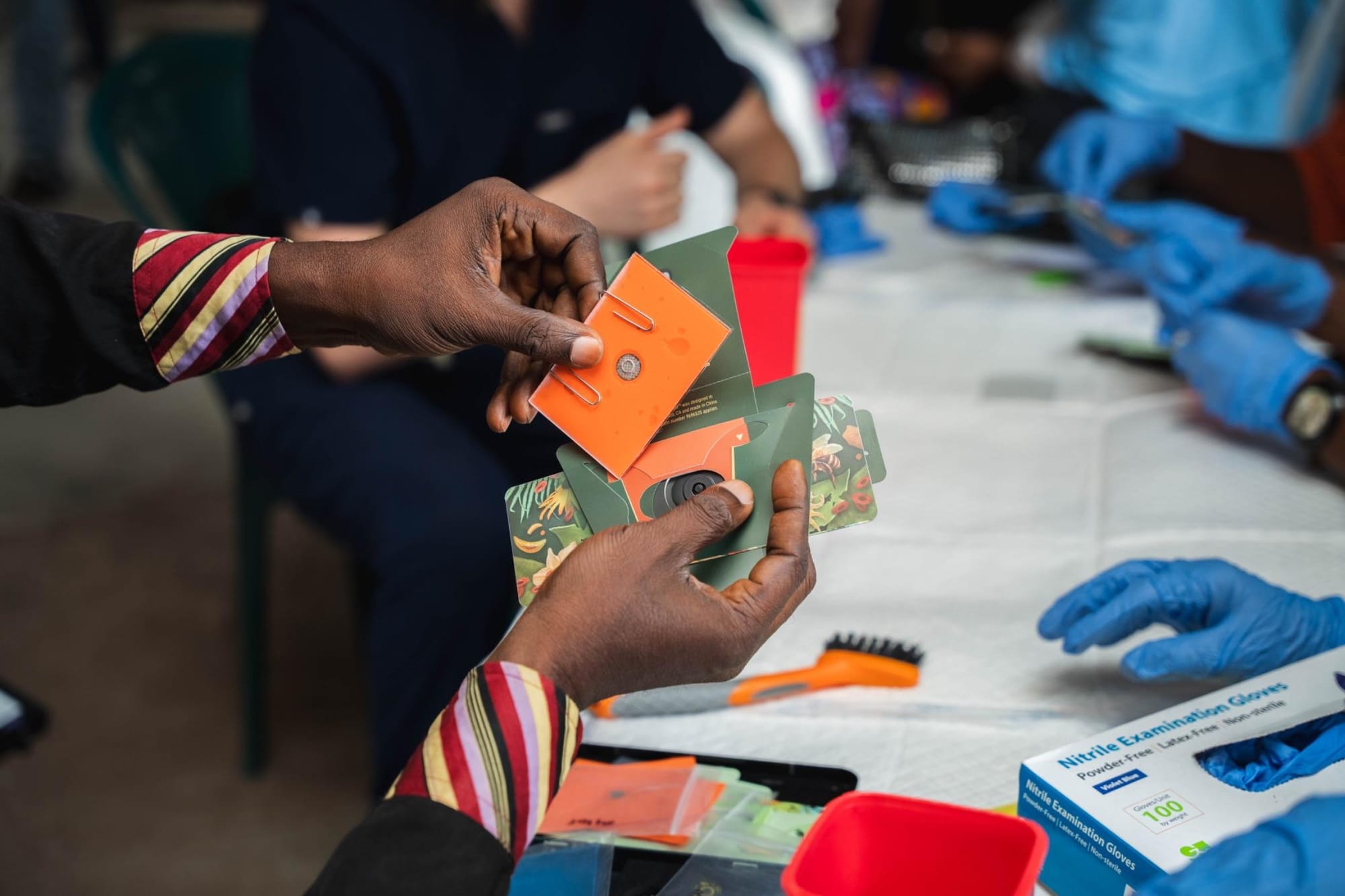
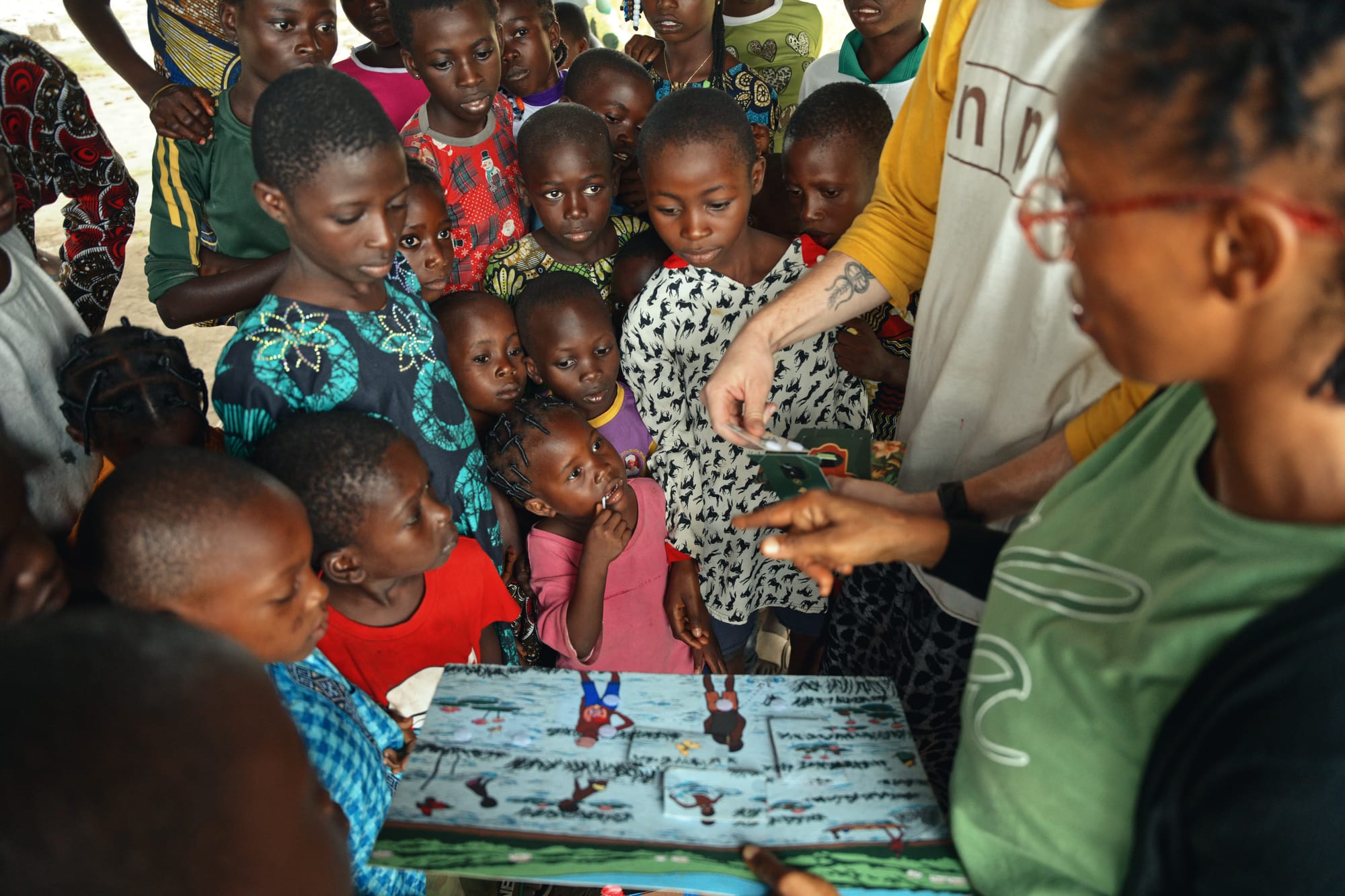
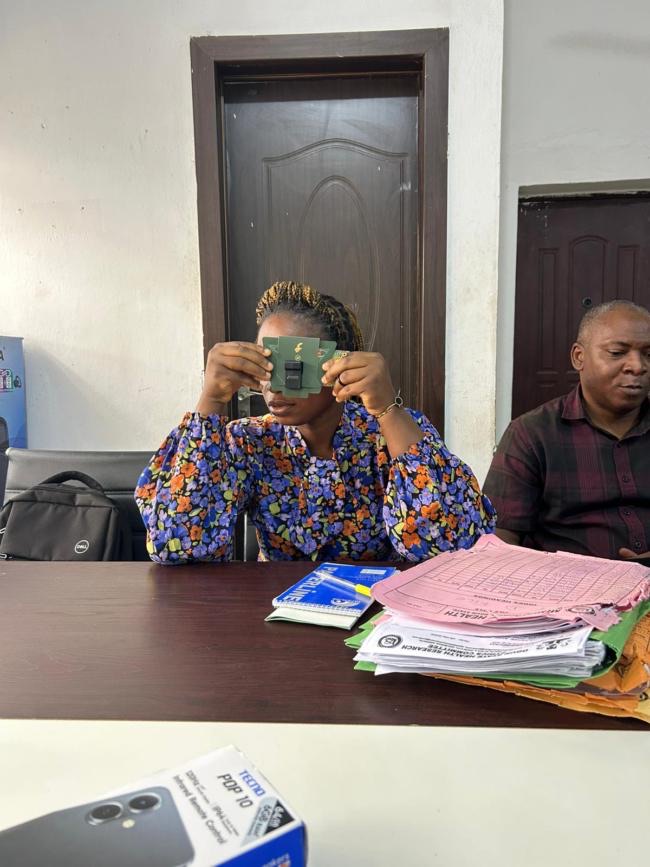
The Director of Public Health, Dr. Festus Soyinka, met with us and Dr. Adeniyi to talk through the project. We built Foldscopes, discussed vector-habitat mapping with drones, and agreed on the need to “make some noise” about this neglected tropical disease.
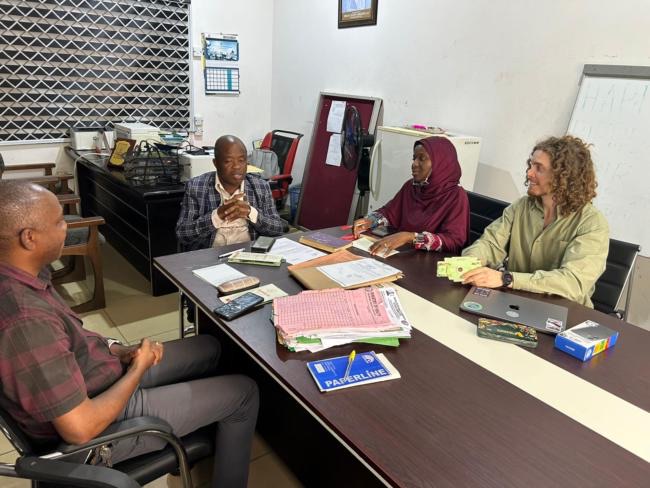
Wrapping up, we prepared for a first visit to Imala Odo. Oluwanifemi, who joined both meetings, walked me through how it would go, and Dr. Soneye gave us direction about the villages along the Oyan River we were to visit.
Reading the water with the community
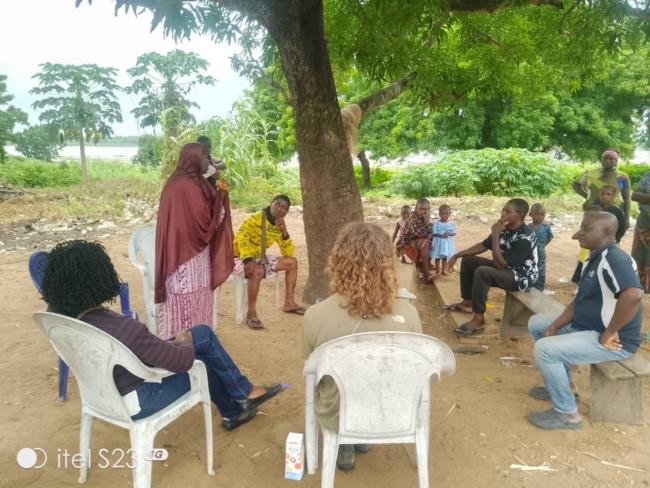
Together with Dr. Olubukola Adelakun and members of the NTD team, we drove out to Imala Odo, on the western edge of the reservoir, and sat with community leaders to explain our purpose and ask permission to conduct the study. We talked about identifying the snails’ habitat (where certain species carry the disease) and where people use the water most.
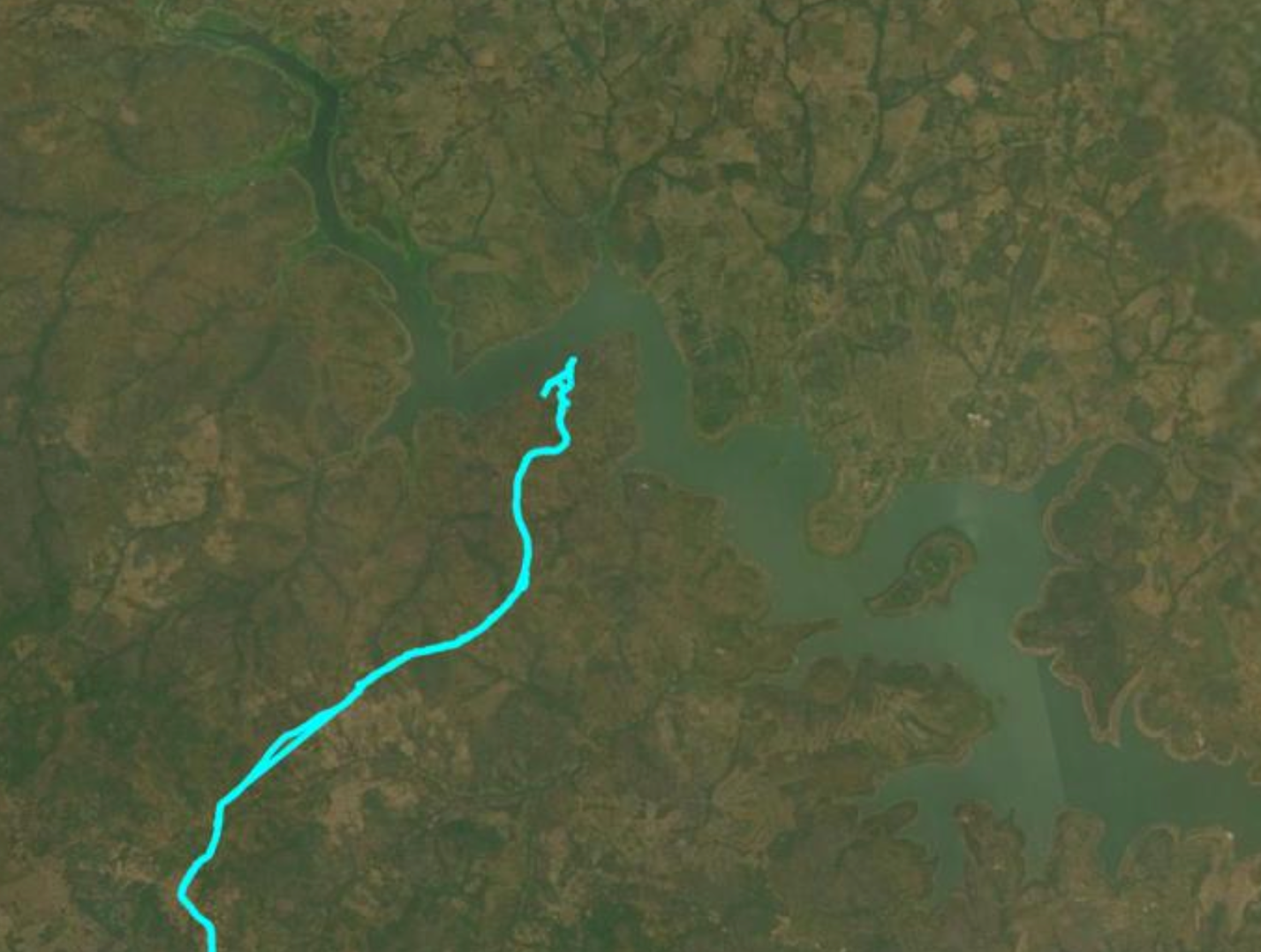
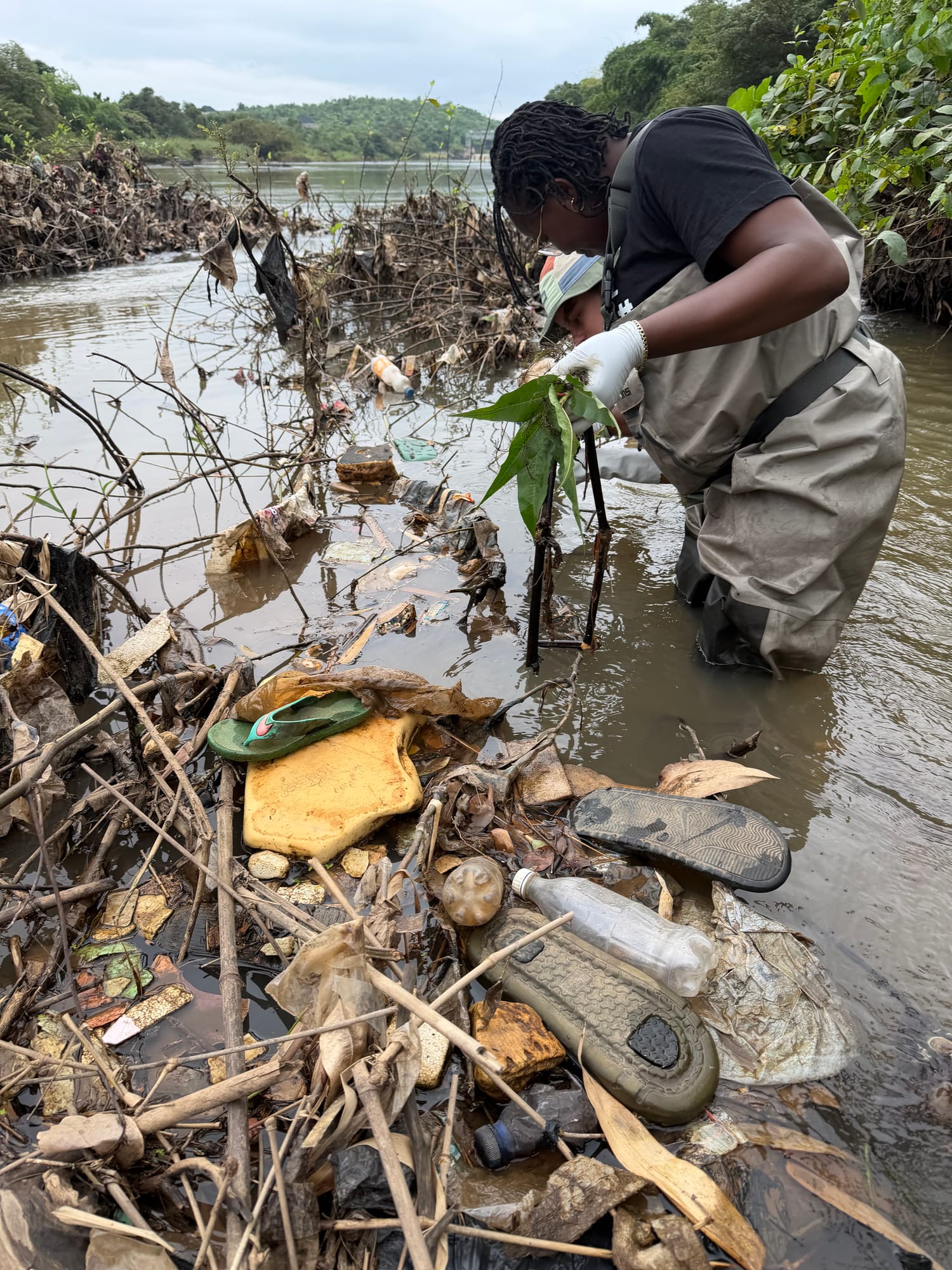
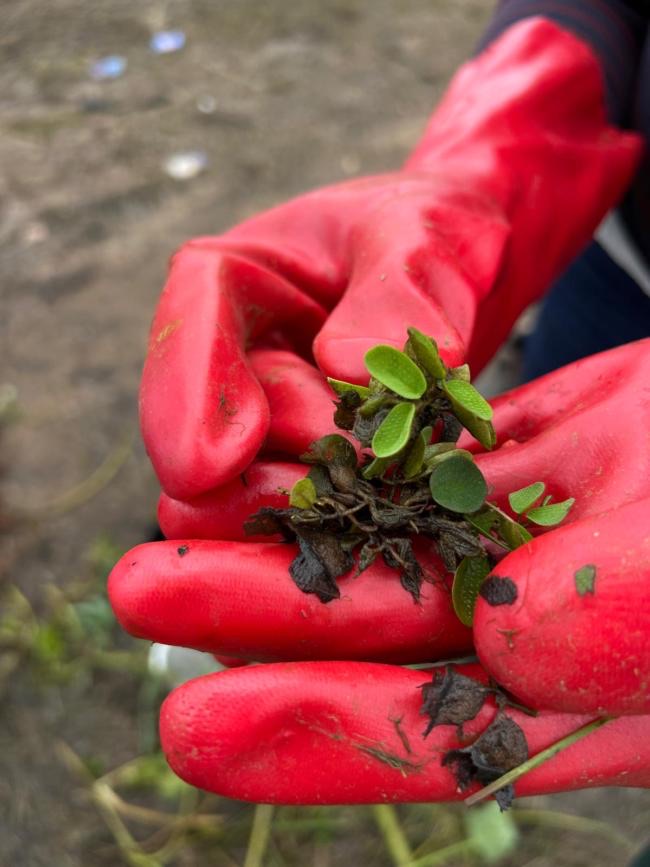
At the access points, we began surveying for snails. Olubukola taught me the freshwater species present and pointed out Bulinus and Biomphalaria, which carry schistosomiasis (S. haematobium and S. mansoni, respectively). We found them in submerged debris by the shoreline, and in greater numbers in submerged plants gathered farther out by boat.
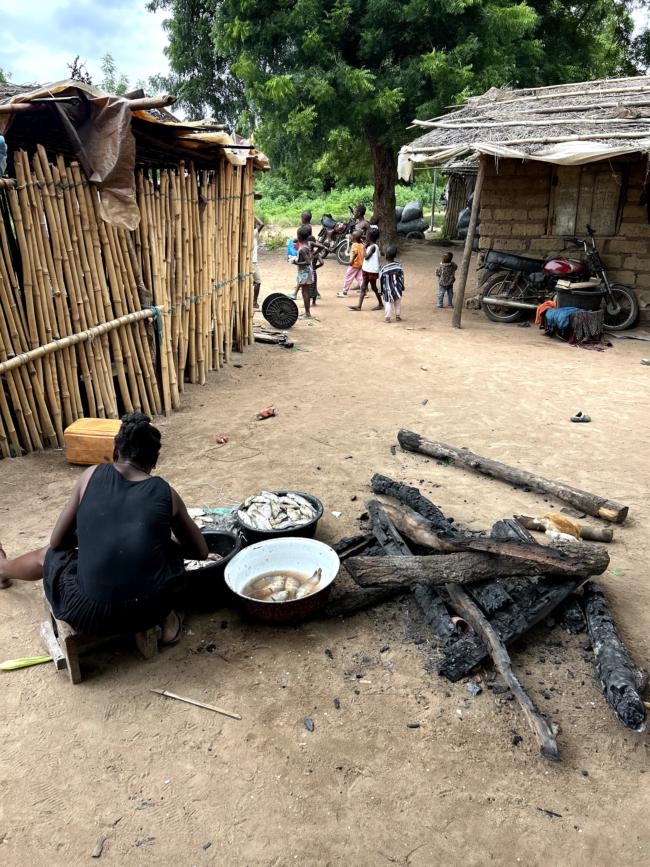
Shopping for smoked fish with Kareem and Immanuel, I learned how central fishing is to daily life in Imala Odo. That access to the water sustains the business, livelihood, and daily chores of everyone who lives here — which only sharpened the drive to understand whether the snails prefer a certain habitat, and how we might target it in any future removal effort.
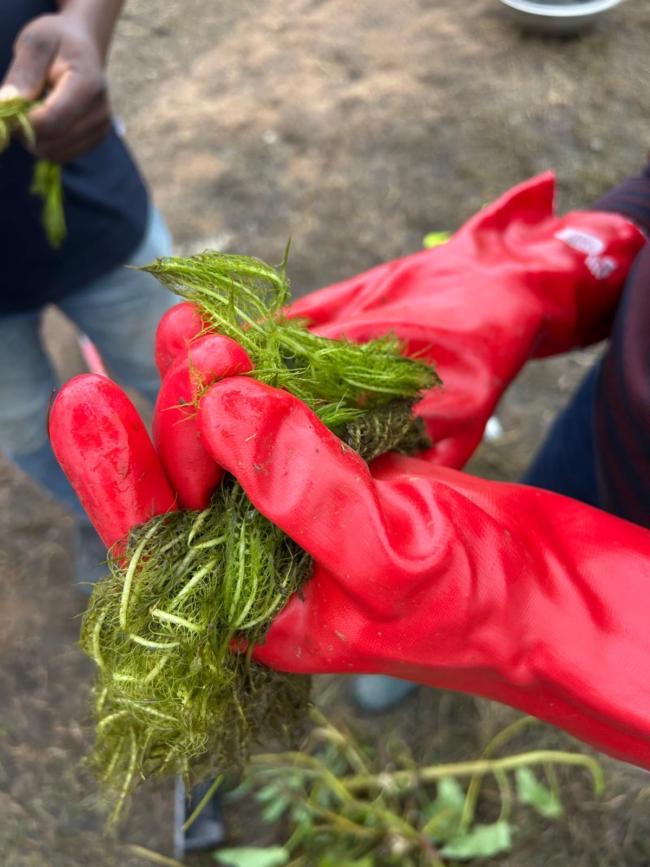
We confirmed the presence of ceratophyllum, an invasive plant we’d grown suspicious of after reading about work in Senegal, and we looked for others. We recognized three possible habitat categories (emergent and submerged vegetation) and discussed how to sample each this week.
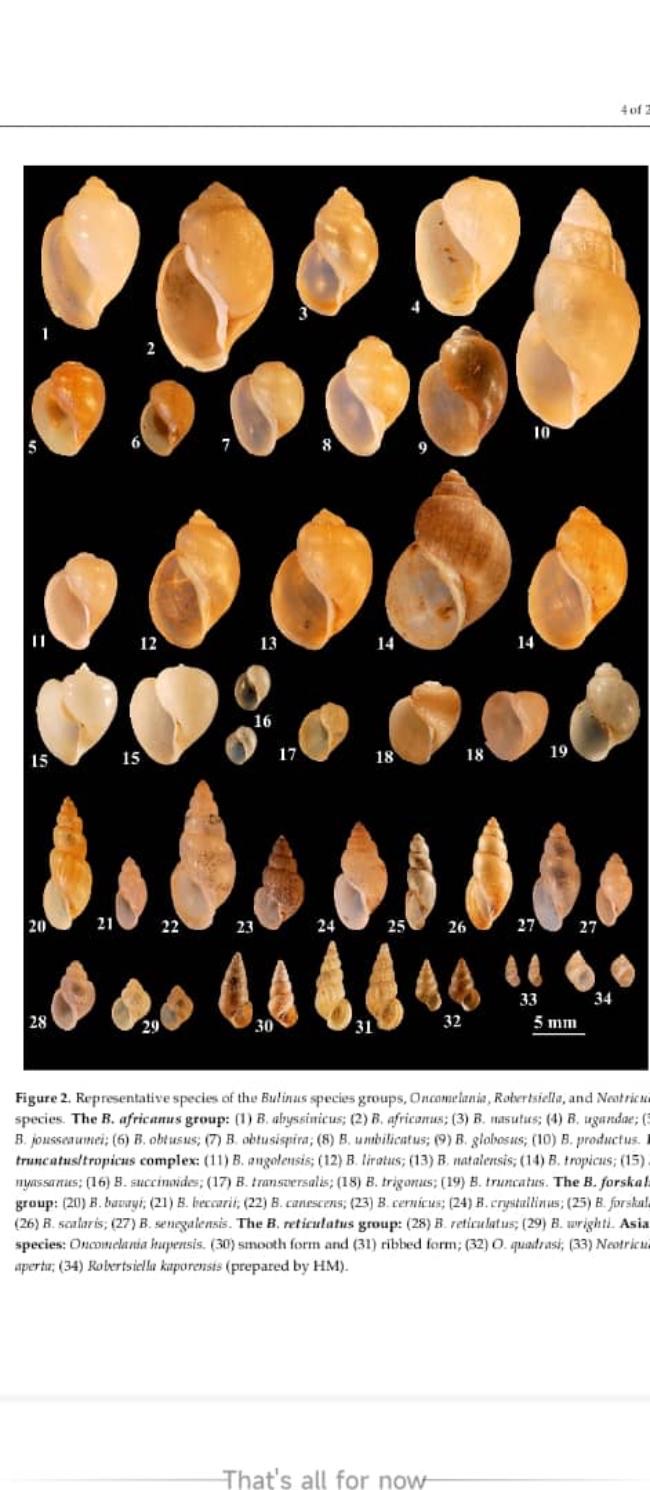
We were now ready to begin. Once the team arrived the next day, we would start to really understand the challenges of diagnosis — and the methods needed to study the upstream cause of the illness.
Next: the study begins
Thank you for following along. The next field note picks up as the team arrives and screening starts in earnest along the Oyan River.