 Abeokuta · July 2025
Hello, everyone. Thanks to you, the first study by our team is now (almost!) complete. I want to share some notes and moments from the study you funded and supported.
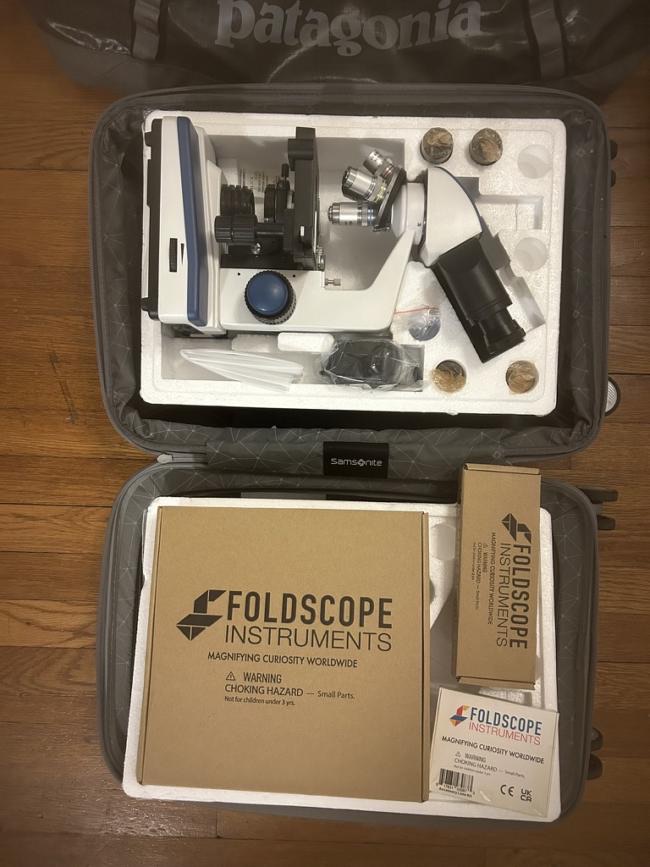
I left Texas with an AmScope microscope in my carry-on and 200 urine-collection cups (sent by Hope from the Prakash lab) stuffed into my suitcase. I also had a few Foldscopes tucked away to share along the way, along with the serological pipettes, wipes, and waste bags that would prove extremely useful in the weeks to come.
A headline I folded up to keep
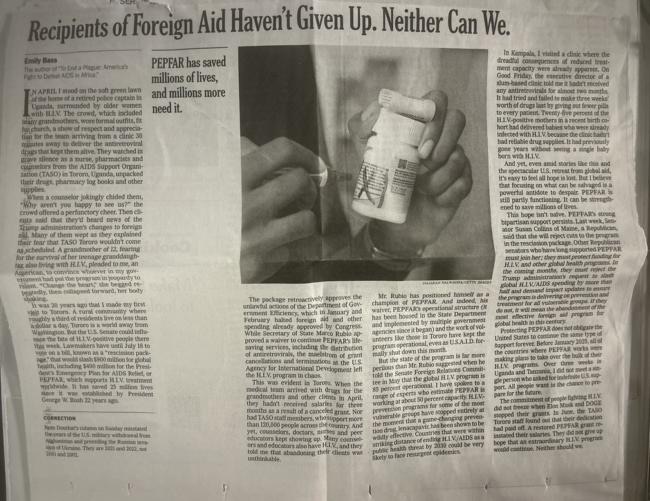
During the flight, I read a story in a paper I’d grabbed at the airport. In Uganda, USAID cut-offs had changed the landscape of HIV treatment in a rural region: everyday doses had turned into a dwindling supply, and babies were again being born with HIV where, before, mothers with the illness could deliver an HIV-free child.
Global health as we know it is fundamentally shifting, with many areas facing an unexpected backslide in resources, personnel, and funding. As I boarded the second flight, an email reinforced it: a grant we’d won through my medical school would likely be cut in half as the State of Texas slashed the funding source. The journey took on an urgent tone.
Recipients of foreign aid haven’t given up. Neither can we.
Jollof, Fela, and a local legend
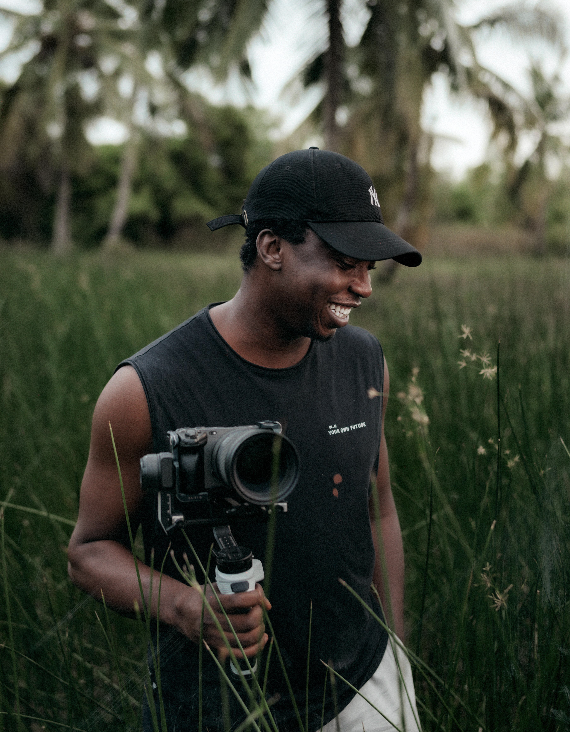
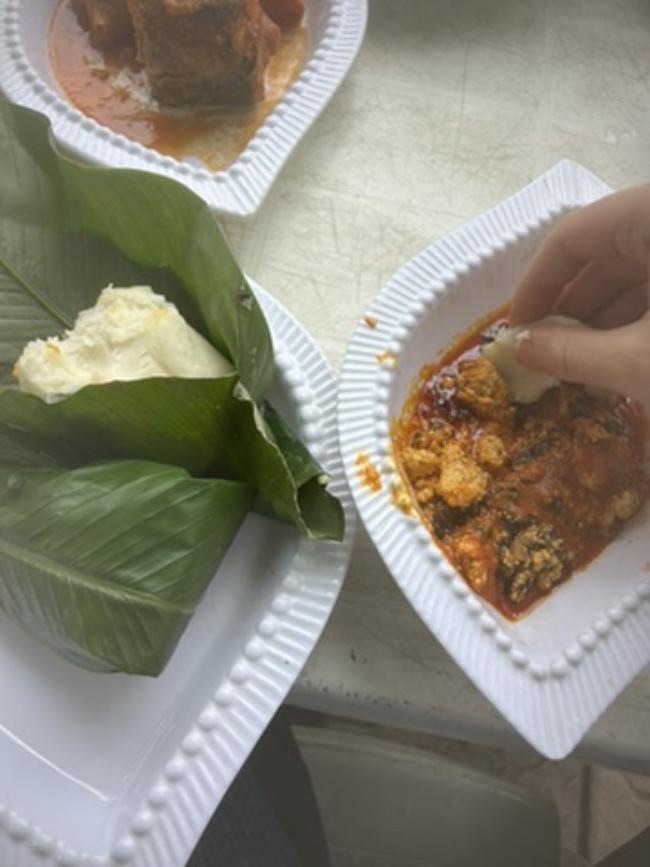
After landing in Lagos, I was picked up by my friend and cinematographer Daniel Amao, who showed me the city. We weaved through traffic blasting Rema and Fela Kuti, and he ordered us Jollof rice. My mind was reassembled by the beautiful footage he’s captured.
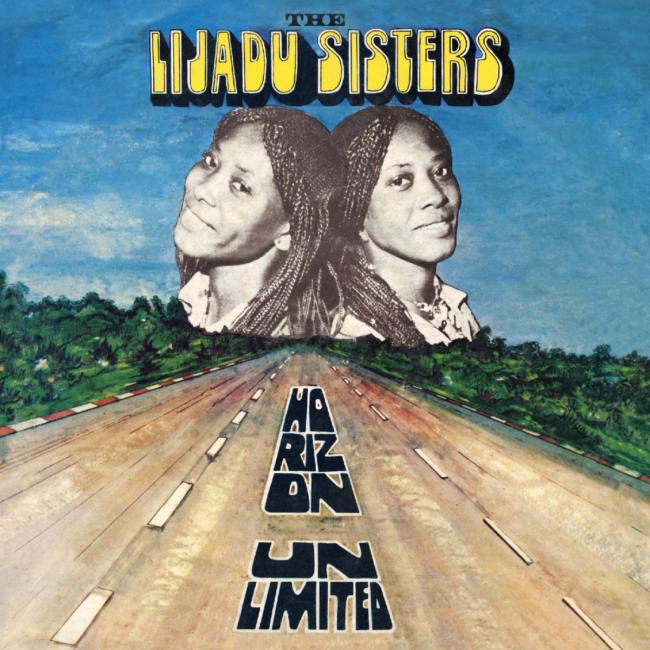
Zobo, made from hibiscus, was quickly becoming my new favorite drink, and Daniel humored my soft spot for ’70s music with a Lijadu Sisters song on the drive. Everywhere I went, I was greeted by friendly calls of “Cucurella!” for my curly hair.
A room full of motivated people
The next morning we drove to Abeokuta. At the hotel I was warmly greeted by two of our research mentors, Dr. Adeniyi and Dr. Dola, who’d come to see that I was well received.
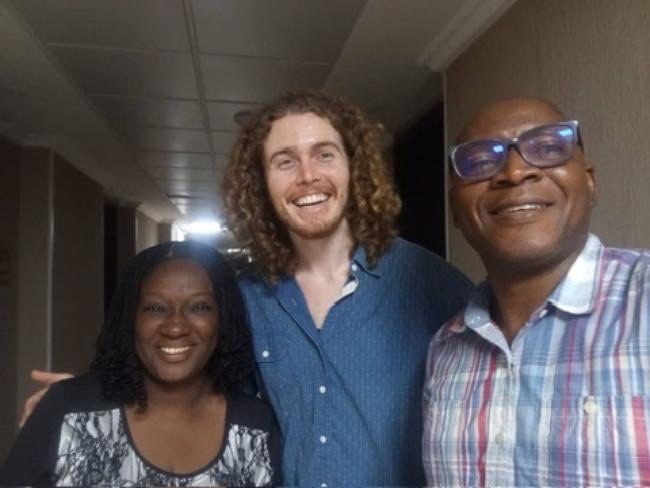
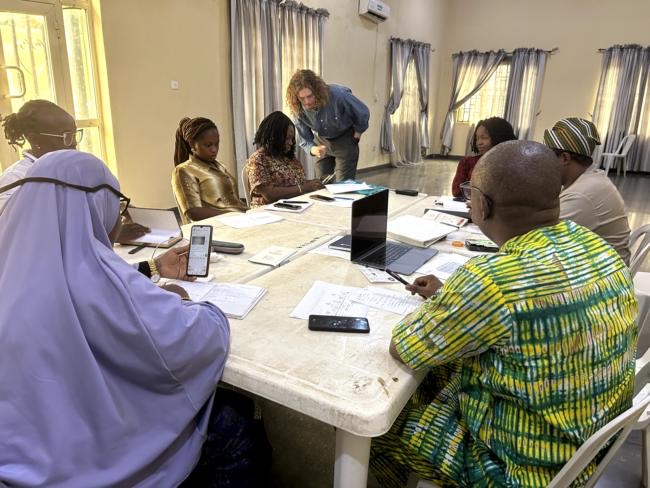
In the morning we visited the NMA Doctor House, where I met Olubukola Adelakun, soon to be my partner in crime for ecological mapping and snail surveying on the “Drones” side of the project. We met the NTD team, with Ms. Maryam Kafil-Emiola standing in as leader, and it was a joy to refine the study plan in one room after months of laggy internet calls — 6 a.m. from my car in the hospital parking garage, between scrubbing into surgeries, and whenever else we could make the time difference work.
The local team was made complete by FUNAAB’s Dr. Uwem Ekpo (affectionately, “Prof”), who brought twenty years of schistosomiasis-control experience at the Oyan River to the table by pulling up a chair and sitting down.
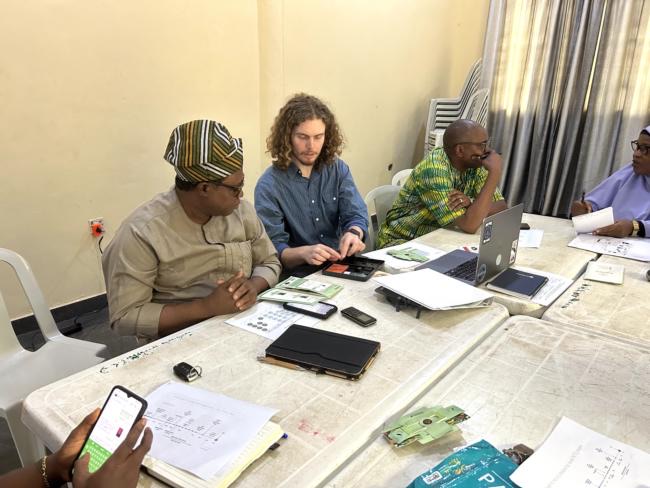
Which phone for the Foldscope?
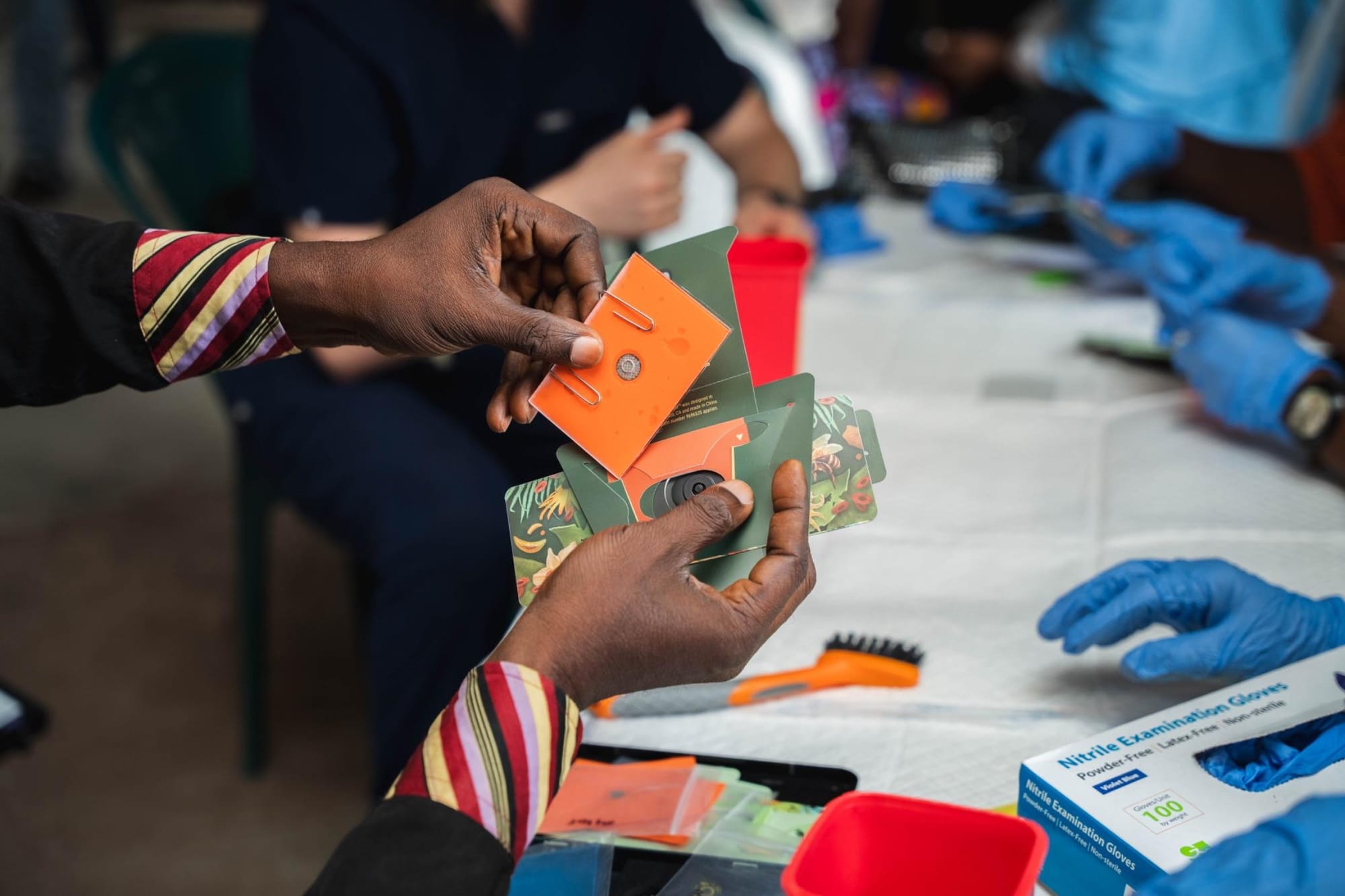
Community health workers would be operating the device, so the phone had to be consistent for a sensible data-collection plan. Before the study even began, we ran an experiment with everyone present: find a suitable, locally available phone that pairs well with the Foldscope.
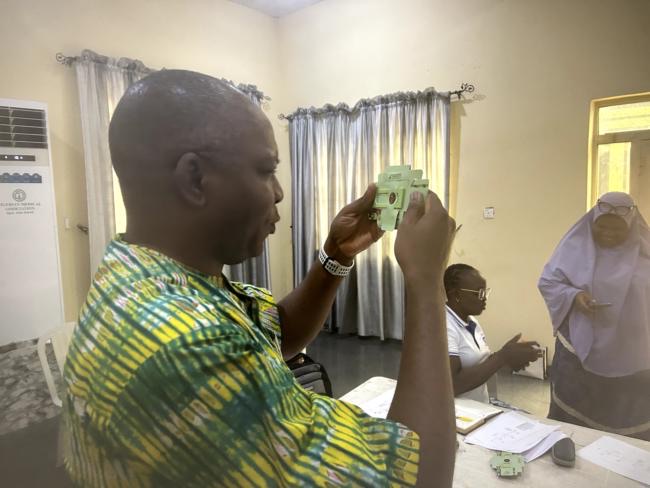
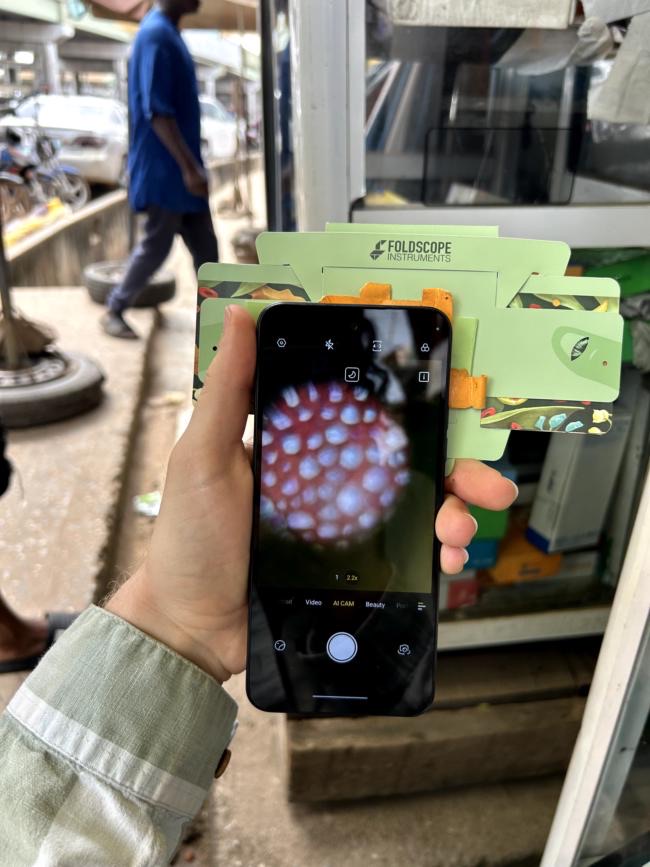
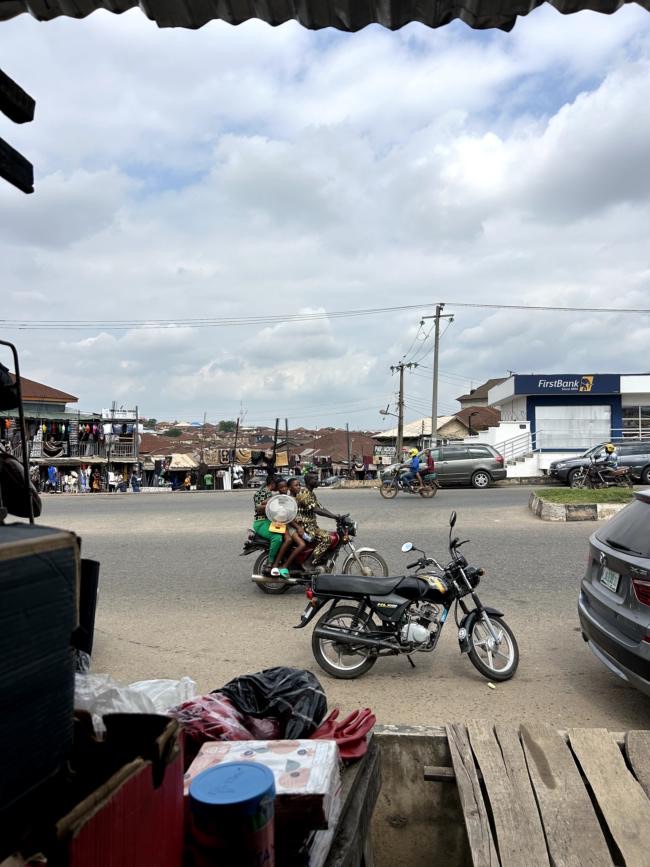
We tried flip phones, Androids, iPhones, and Tecnos, ultimately landing on the Tecno, on Android, as a great middle ground: a good camera that works with the Foldscope at a very accessible price point. The next day I hopped on the back of a motorcycle with my new friend Phillip, the tech guru, and we shopped a nearby market for used Tecnos, testing the Foldscope on fern rhizomes right there before buying. The Tecno Pop 10 was the winner.
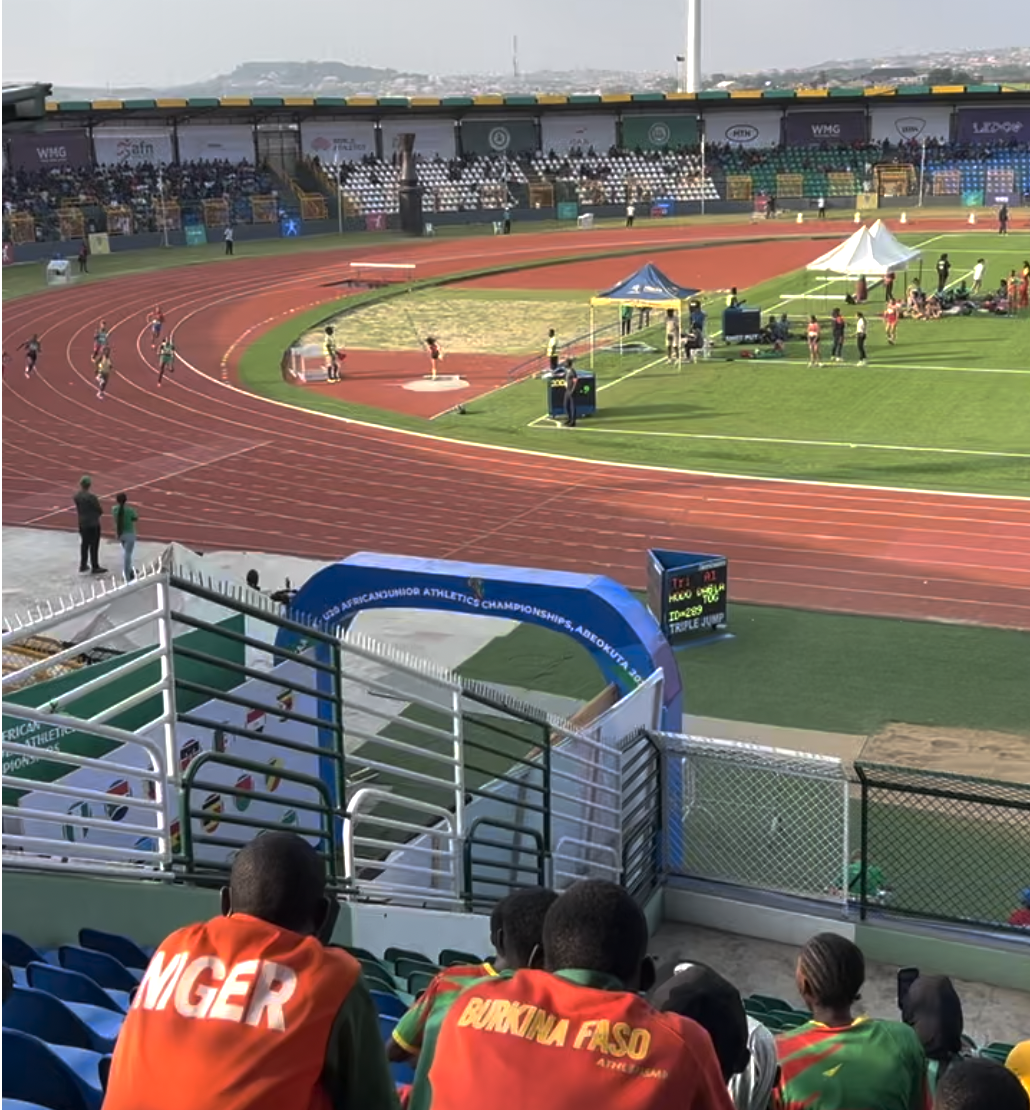
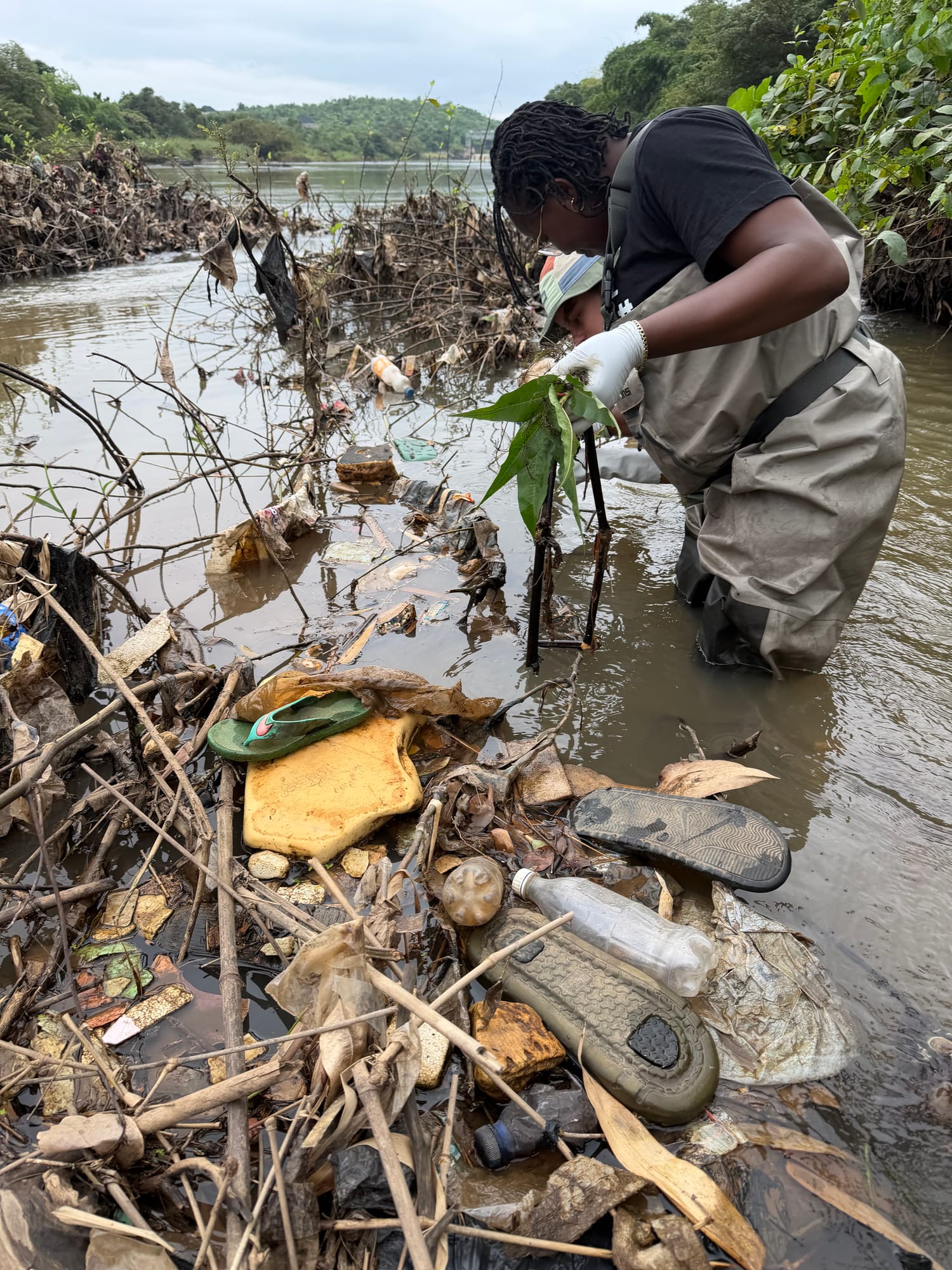
We also picked up supplies for the ecological-mapping project: rubber boots, gloves, notepads, pens, markers. (I should have tried on those boots — forty miles down a bumpy road, I’d try to pull them on over waders only to find my foot wouldn’t fit past the heel.) Meanwhile, Olubukola had already fashioned a snail scooper from a kitchen sieve and a pole. Frugal-science innovation, fully underway.
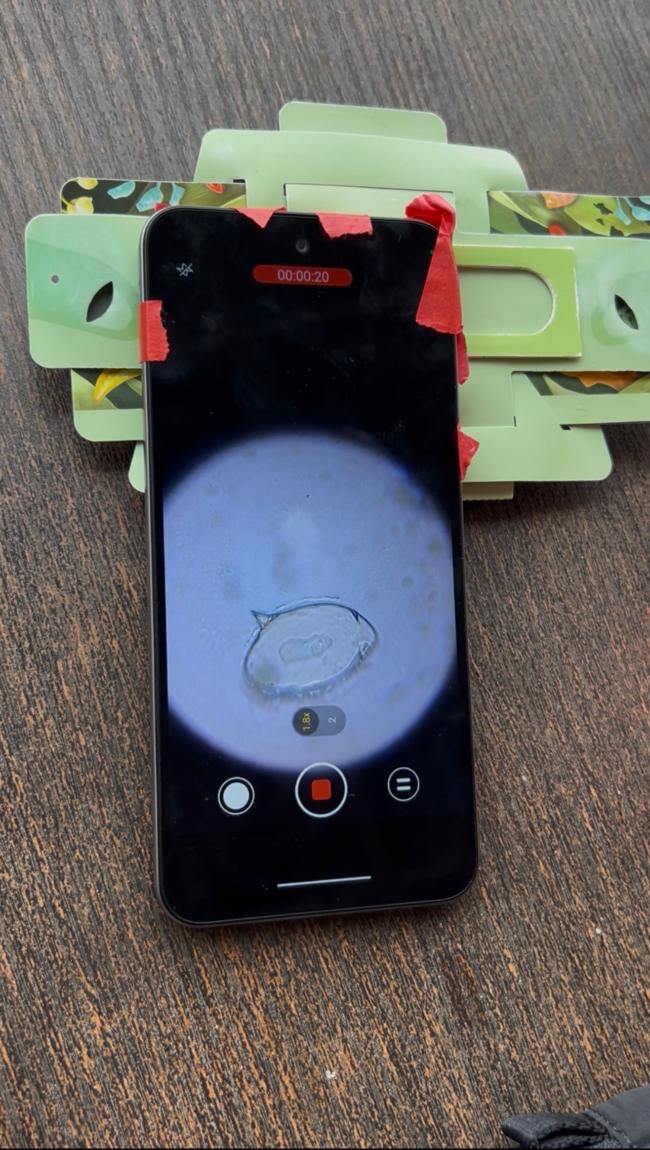
I learned, in those first days in Abeokuta, that I was in very good company — inquisitive people who deeply care about fighting this disease. More than that, I was living something that will inspire me for years, and that is already changing the way I think about human health.
This is what your support made possible
Thank you for funding the first study. Follow along as we turn tiny microscopes and big ideas into an accessible test for schistosomiasis — one market errand, conversation, and slide at a time.