Health in Your Hands
HomeProgramsField notes Get involved
Our work · 100% donor-funded

Our Programs

Three diseases, three corners of the world — and one idea tying them together: putting diagnosis directly into the hands of the communities that need it.

Why this matters

When a diagnosis is hours away, treatable diseases become life-altering ones.

In much of the world, finding out whether you're sick means traveling hours to a city — to reach the expensive equipment and specialists that rural clinics simply don't have. So millions of people go undiagnosed, until something curable quietly becomes something that changes their life. The same gap runs through under-resourced hospitals right here at home.

Our answer is one repeatable idea, applied across very different diseases: cheap, durable tools, placed in the hands of trusted local health workers we train, with smart technology to help it scale. That's what donations fund — not overhead, the work itself.

Affordable tools

Durable, low-cost equipment built to work without power, labs, or specialists.

Trusted local people

We train the health workers communities already rely on — so the skill stays for good.

Technology that scales

Simple tests that stretch one expert's reach to many more people.

100% of every dollar goes straight to program budgets. We're all-volunteer — none of it to overhead.

01
SCOPE
Schistosomiasis Control from a One Health Perspective

Snail fever, caught in the water

A water-borne parasite that infects tens of millions — and hits children hardest.

Ogun State, Nigeria
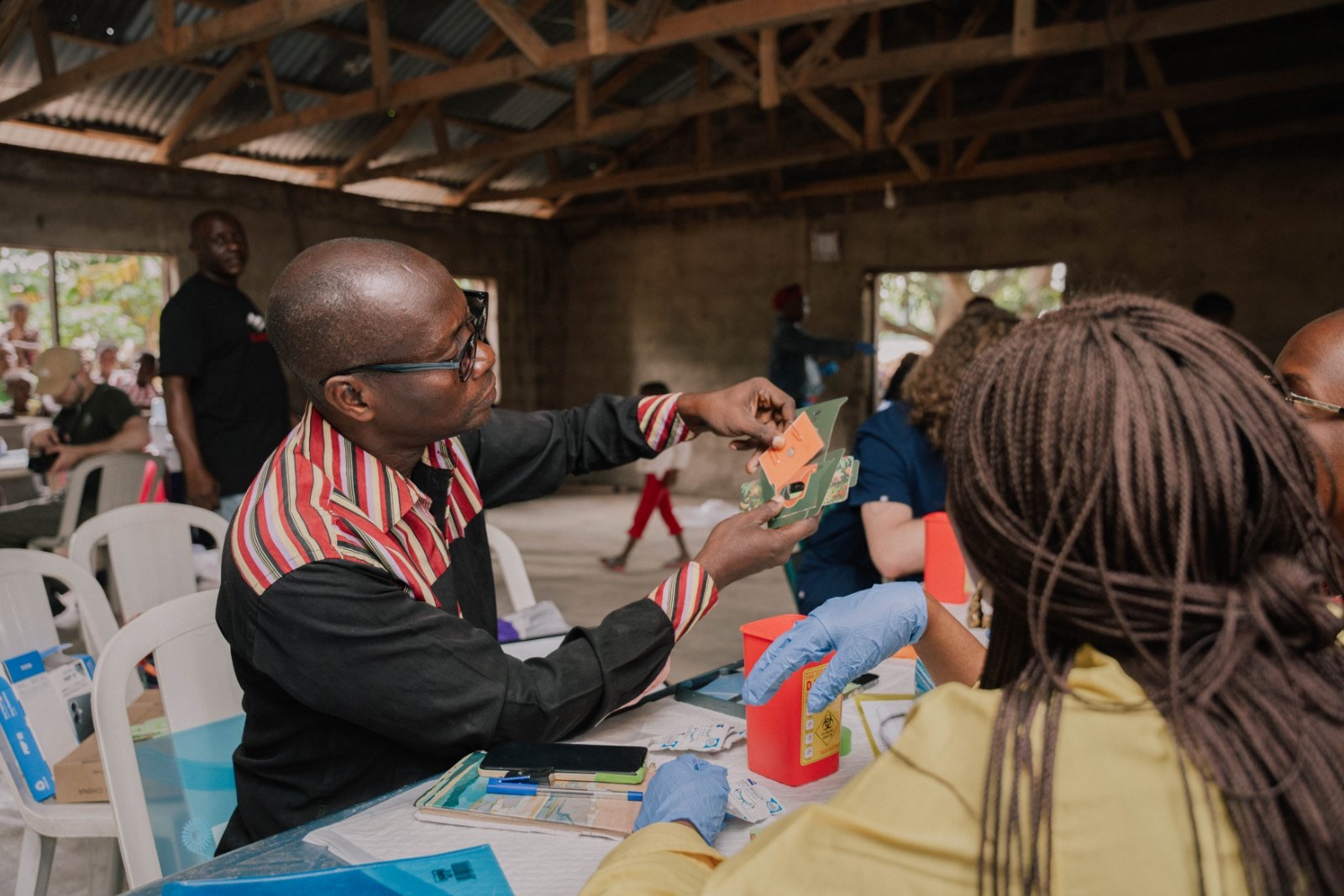
A community health worker reading a Foldscope sample with a participant during a field screening in Ogun State, Nigeria
The disease

Schistosomiasis — often called snail fever — is caused by a tiny parasitic worm that lives in fresh water and burrows into the skin of anyone who wades, washes, or swims in it. It infects tens of millions of people across rural sub-Saharan Africa, and it hits school-aged children hardest. Left untreated for years, a curable infection can quietly turn into bladder cancer, lasting reproductive harm, and a higher risk of catching HIV.

Our approach

We built a complete diagnostic toolkit that costs less than a cup of coffee. It pairs the Foldscope — a sturdy paper microscope that costs about $2 and needs no electricity — with the SchistoFilter, a reusable water filter we designed ourselves. Then we train Community Health Extension Workers — the trusted local health workers villages already rely on, known as CHEWs — to run the test and diagnose their neighbors right where they live. No city hospital, no specialist, no power required.

It's a One Health approach: we diagnose people on the ground, teach communities how the parasite spreads, and study the water and snails that carry it — all at once.

Foldscope ≈ $2SchistoFilter — reusableToolkit under $4Trained CHEWs
418
people screened across 5 communities
under $4
for a complete diagnostic toolkit
18
communities next — about 9,000 people
What your gift does

A few dollars equips an entire community to test for a disease that’s gone unchecked for decades.

02
CERVICS
Cervical Evaluation using Rapid Visualization and Integrated Community Screenings

Cervical cancer, caught in time

One of the most preventable cancers — still killing women who can't reach a screening.

Eswatini · Houston, USA
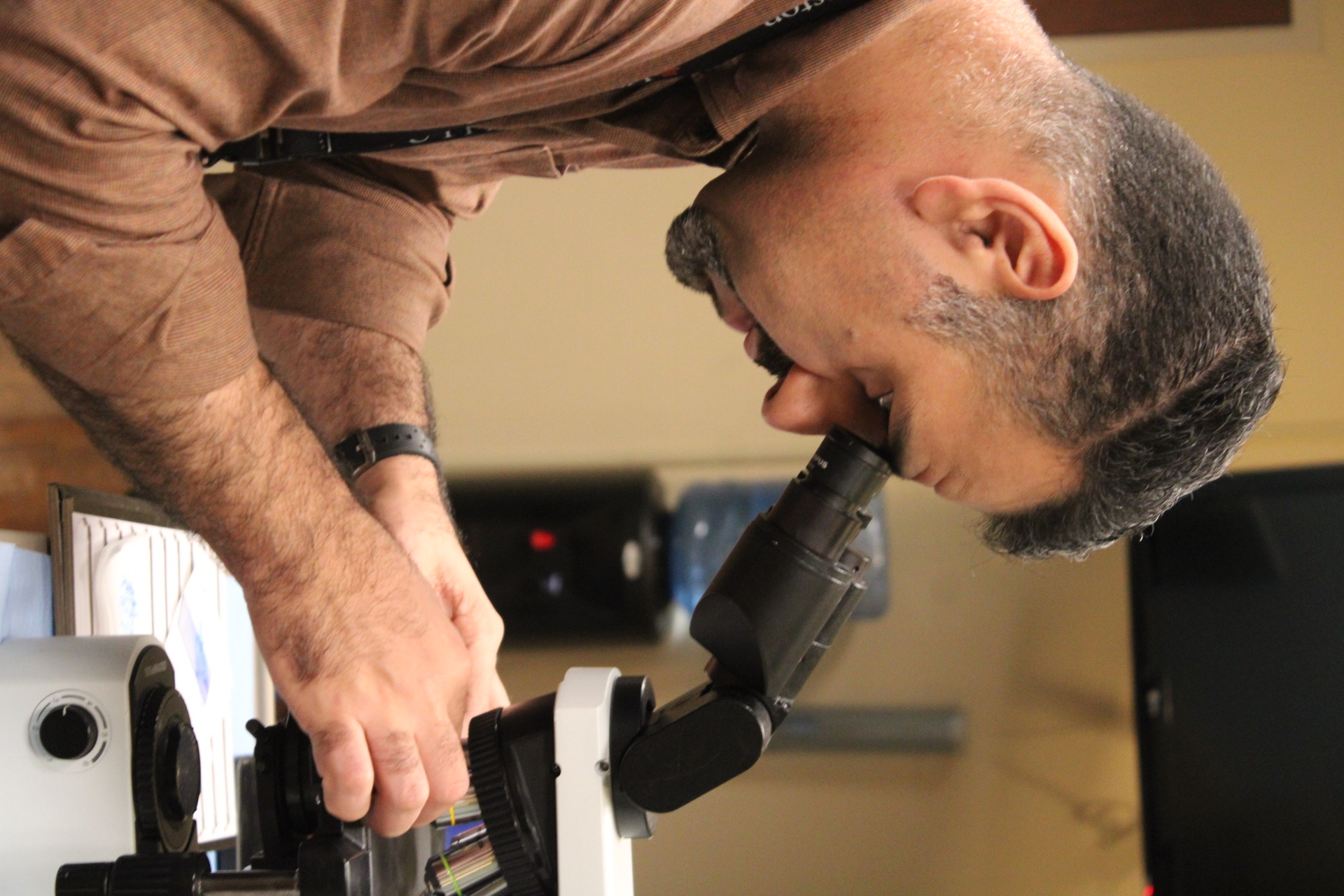
A clinician examining a slide under a microscope while screening samples in the lab
The disease

Cervical cancer is one of the most preventable cancers there is: a simple screening can catch it early, when it's almost always treatable. Yet it still kills women who can't get that screening — and the danger is far greater for women living with HIV, who face a dramatically higher risk. Most cervical cancer is caused by HPV, a very common virus that a basic test can detect.

Our approach

We're building low-cost screening that works without a full hospital lab, starting with a program for women living with HIV in Eswatini. Two tools are in development: an AI system that can flag high-risk samples without a specialist on site, and a simple molecular test for HPV — the virus behind most cervical cancer — that doesn't need sophisticated equipment.

No hospital lab neededAI flags high-risk samplesSimple HPV test
What your gift does

Your gift turns a screening that normally requires a hospital into something a community clinic can do.

03
BRAIN
Bridging Access in Neurodiagnostics

The seizures no one can see

The most dangerous seizures have no outward signs — and get missed without the right test.

Houston, USA · Colombia
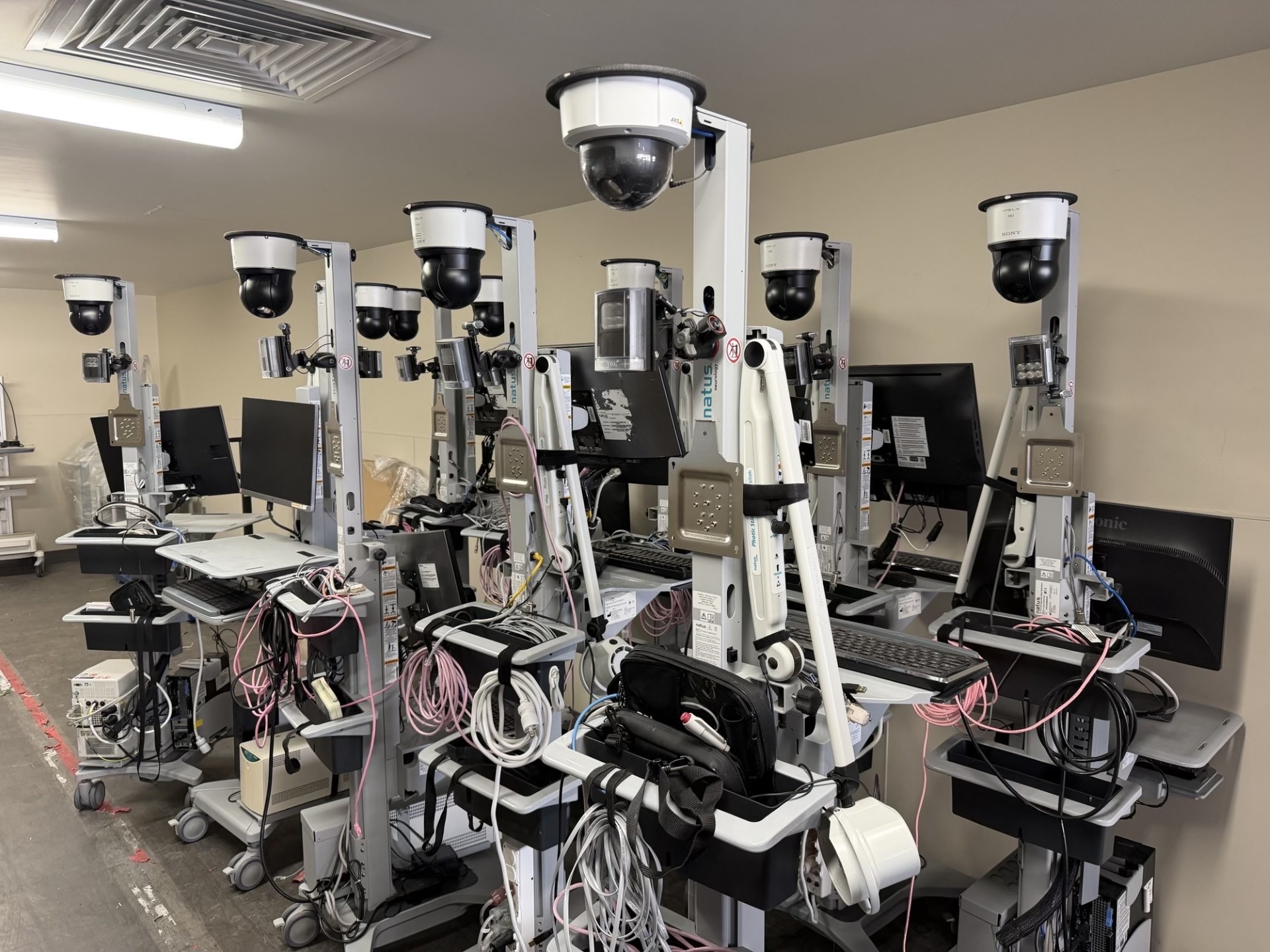
A row of mobile video-EEG monitoring carts — Natus units with overhead cameras, monitors, and bundled electrode leads — staged in a clinical room.
The disease

Not every seizure looks like a seizure. Some of the most dangerous ones often happen with no outward convulsions at all — invisible unless someone runs an EEG, a painless test that reads the brain's electrical activity. In a busy, under-resourced emergency room with no brain specialist on call, these hidden seizures get missed — and missing them can cost a life.

Our approach

We're working on two fronts. First, we're piloting a portable, easy-to-use EEG device (Ceribell) in the LBJ Hospital emergency room, so any clinician — not just a specialist — can catch a hidden seizure fast. Second, through NeuroBridge Colombia, we've partnered with Texas A&M's EnMed program to put Spanish-language seizure-recognition training directly in the hands of rural Colombian primary-care doctors.

Portable EEG in the ERAny clinician can use itNeuroBridge Colombia
What your gift does

Your support means a missed, life-threatening seizure becomes a caught one.

One model, many places

Three diseases. Three parts of the world. One idea that works.

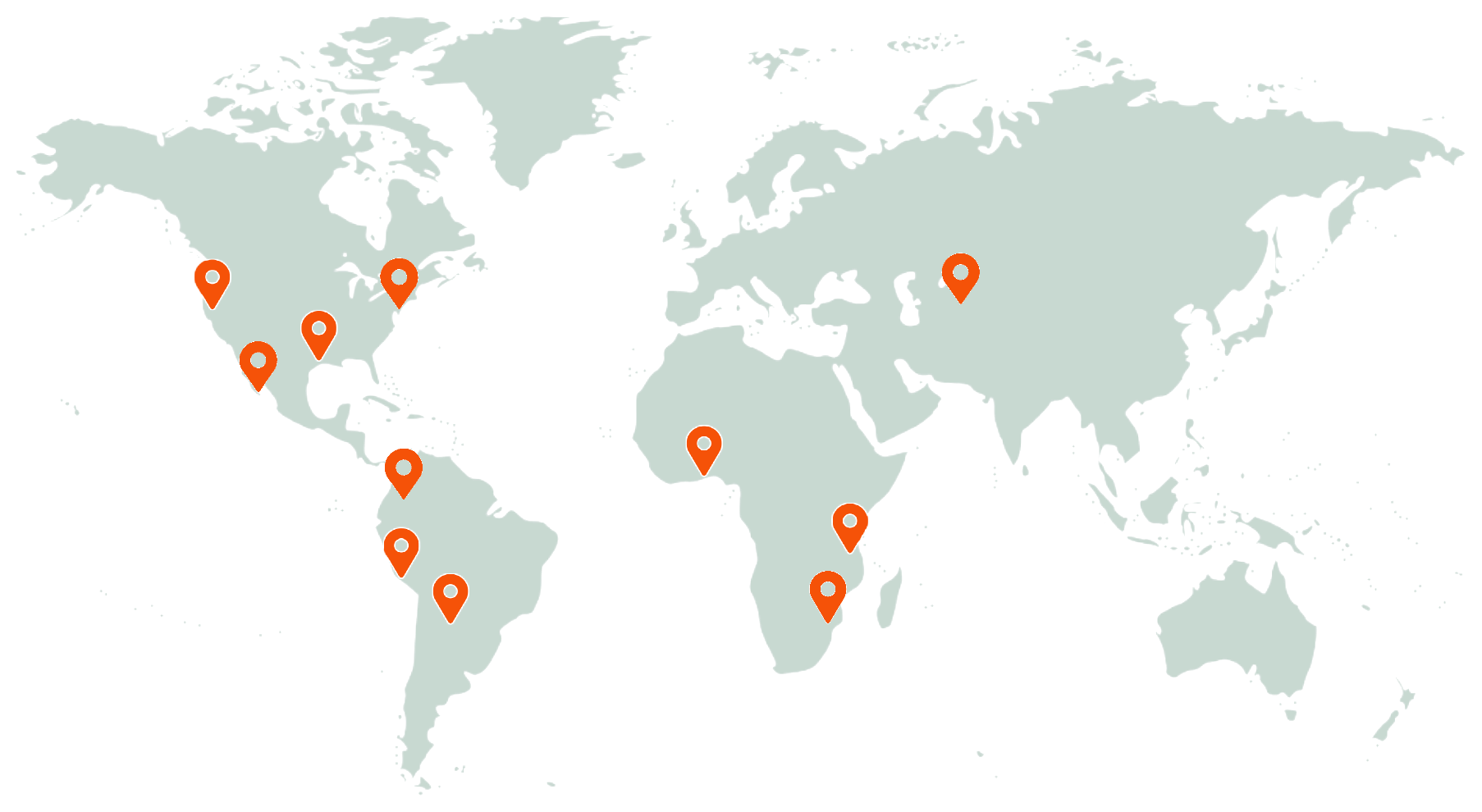
Snail fever in rural Nigeria. Cervical cancer in Eswatini and Houston. Hidden seizures in Colombian clinics and a Texas emergency room. The diseases couldn't be more different — but the model is the same every time: affordable tools, trusted local people trained to use them, and technology that scales. Our anchor sites range from LBJ Hospital — a U.S. safety-net hospital — to rural clinics abroad.

A gift to Health in Your Hands isn't funding one project. It's funding a model — one that's already working across three continents.

World map marking Health in Your Hands program and collaborator sites across the Americas, Africa, Europe, and Asia