 Foldscope · S. mansoni
We find ourselves again asking the same question: what is the simplest, most user-friendly way to view schistosome eggs with the Foldscope, a low-cost, paper microscope?
My friend at the Prakash lab, Anesta, recently asked a deceptively simple question: what about a reusable mesh filter? It made me want to re-approach the idea of a flat filter from a frugal-science perspective. Caring deeply about sustainability and accessibility, the question becomes one steeped in three things at once: materials, durability, and optics.
The constraints
Materials
Low-cost and accessible: nothing exotic, nothing hard to source.
Durability
Hard to break, easy to clean, good for many uses in a row.
Optics
You have to be able to see the eggs. Not in shadow, not covered up, not too far from the viewing platform.
Mesh from Dr. Lee's lab
Sabona, in Dr. Lee’s lab, showed us a trick they use to filter cercariae out of water: nylon mesh. It turns out to be fairly affordable. We remain interested in PET and stainless-steel approaches, but for now, let’s give nylon some thought.
If it’s held taut (say, with a plastic tube melted onto it), it’s easy to clean. And when I asked about durability, a member of Dr. Lee’s lab just said, “I haven’t broken one yet.” Sold.
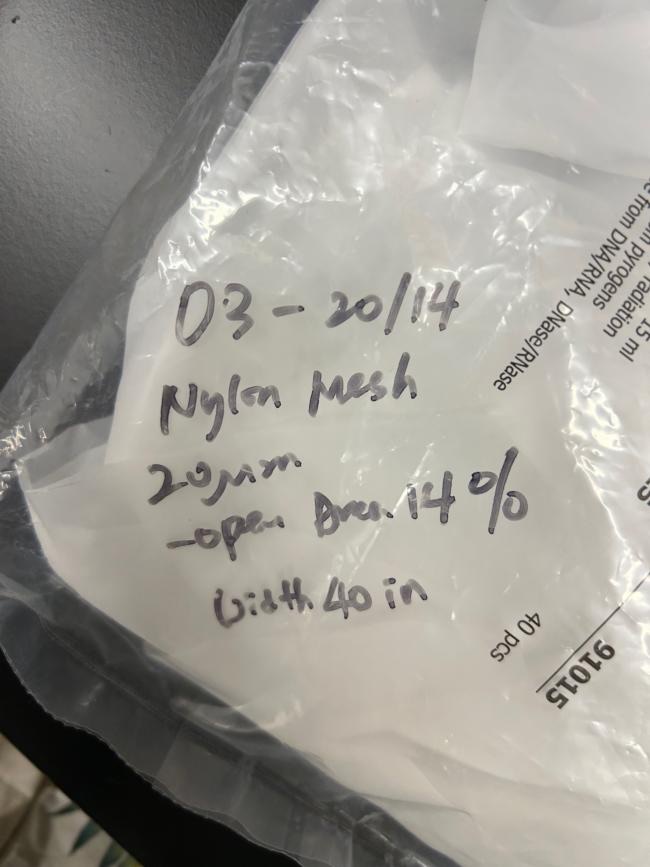
First, filtering
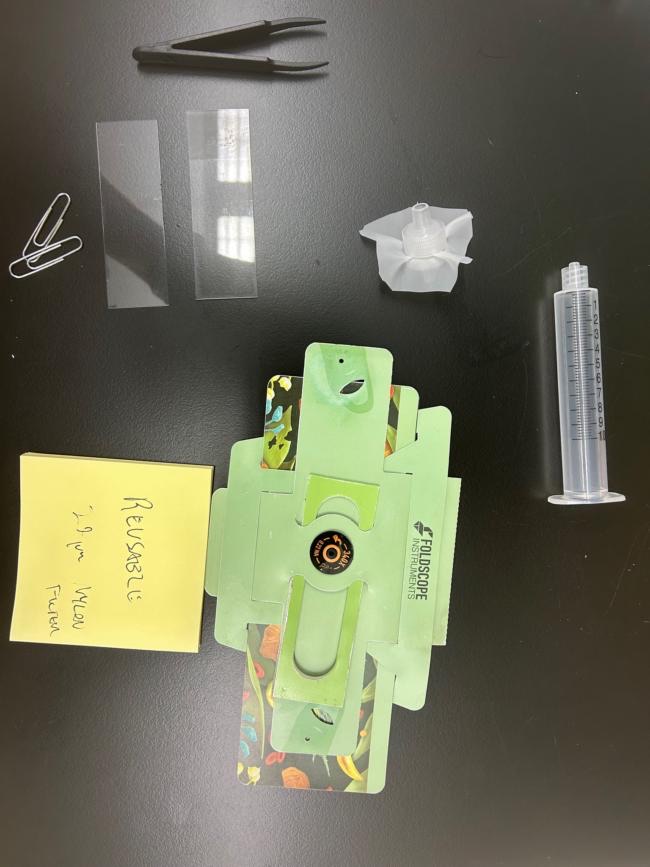
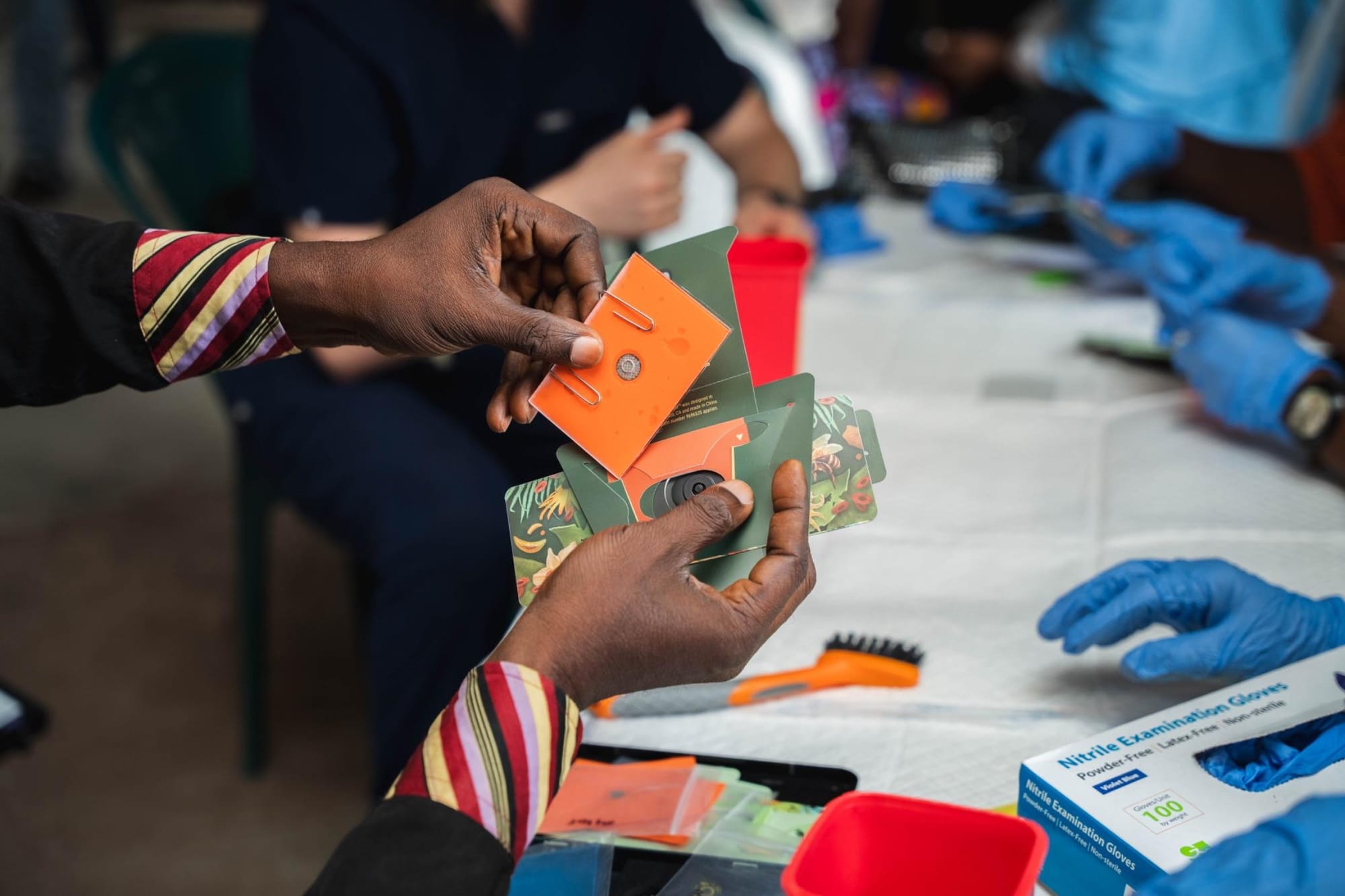
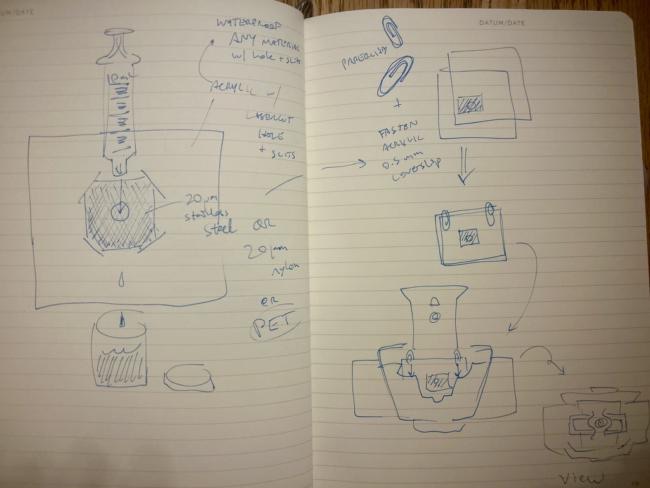
To review: we already know we can use a reusable acrylic coverslip with paperclips to reliably visualize the eggs — a thin, transparent stand-in for a quartz or glass coverslip.
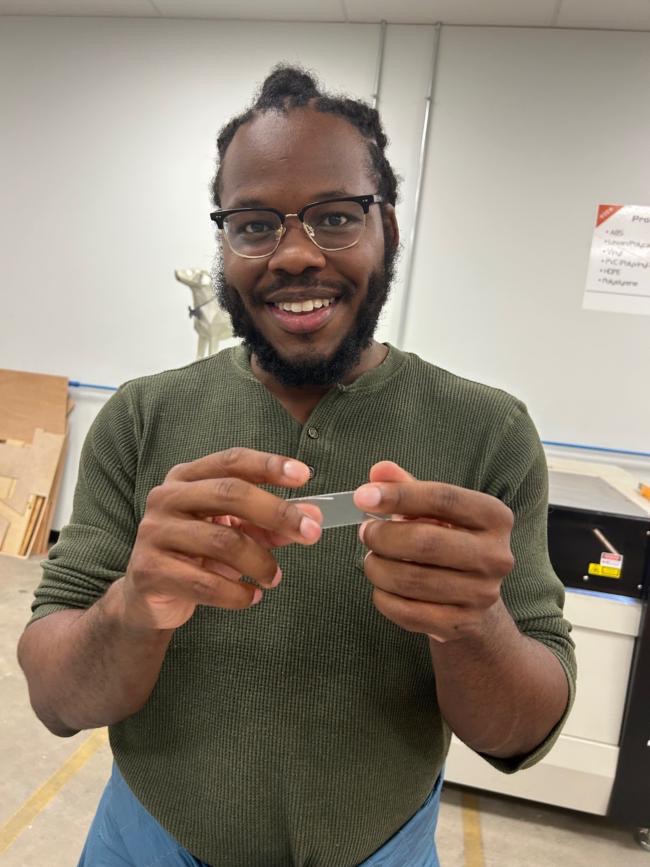
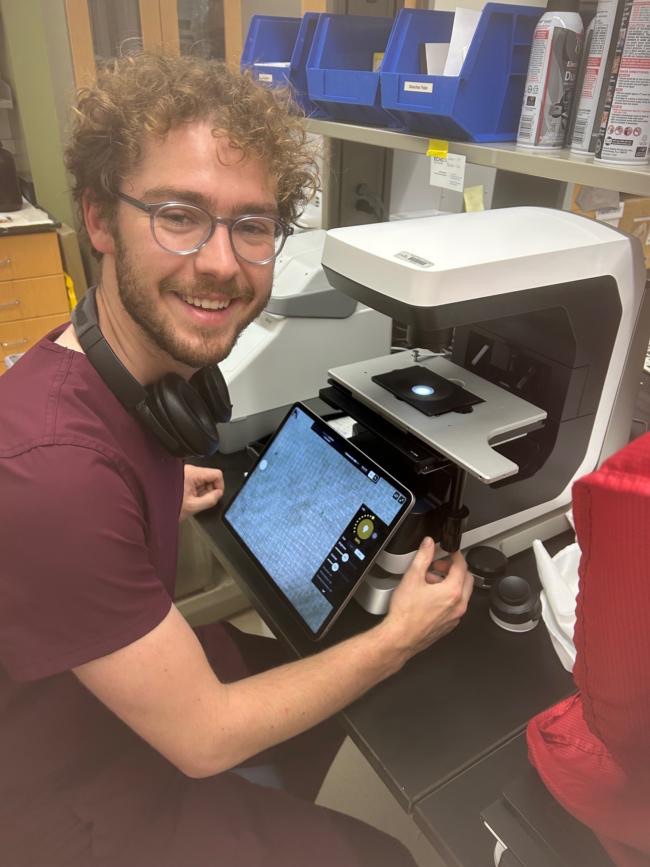
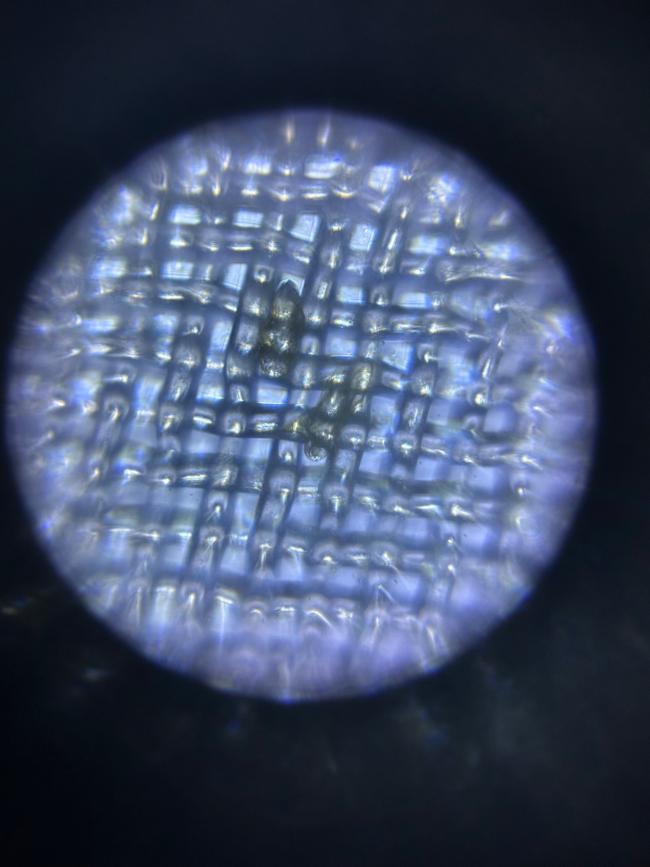
So all that was left was to look at some eggs.
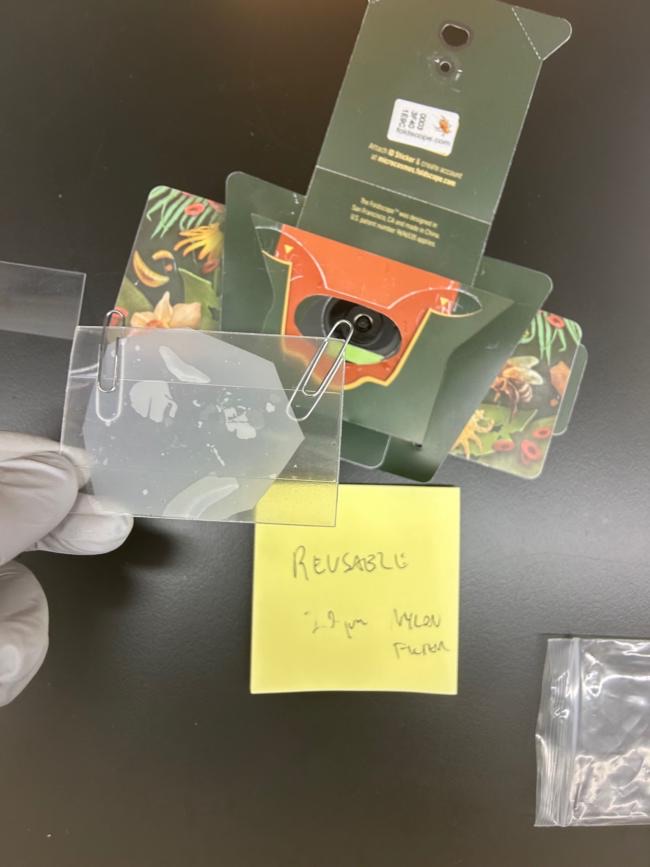
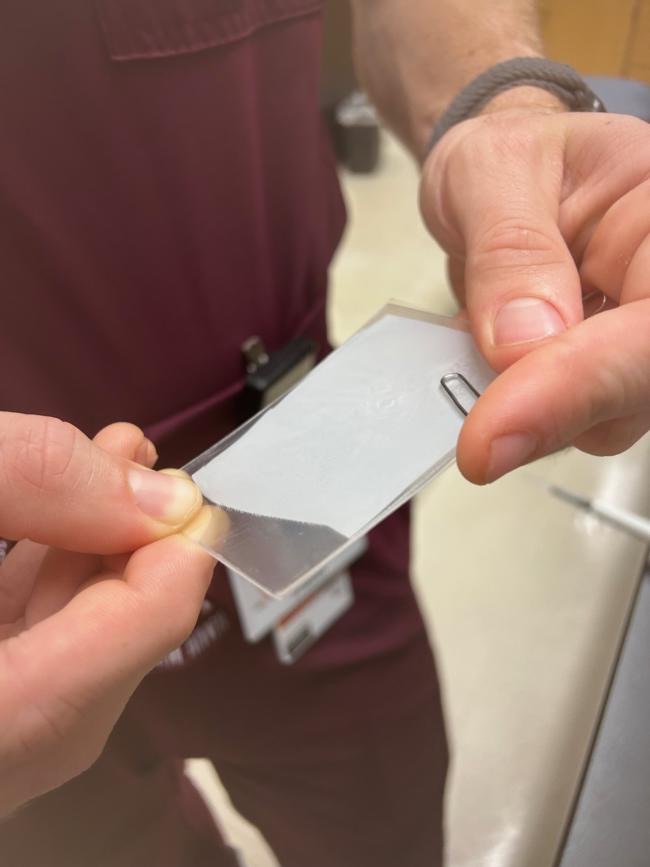
We thought of a few improvements, and we’ll test them soon — thank you, Phil, for helping us laser-cut some acrylic and PET!
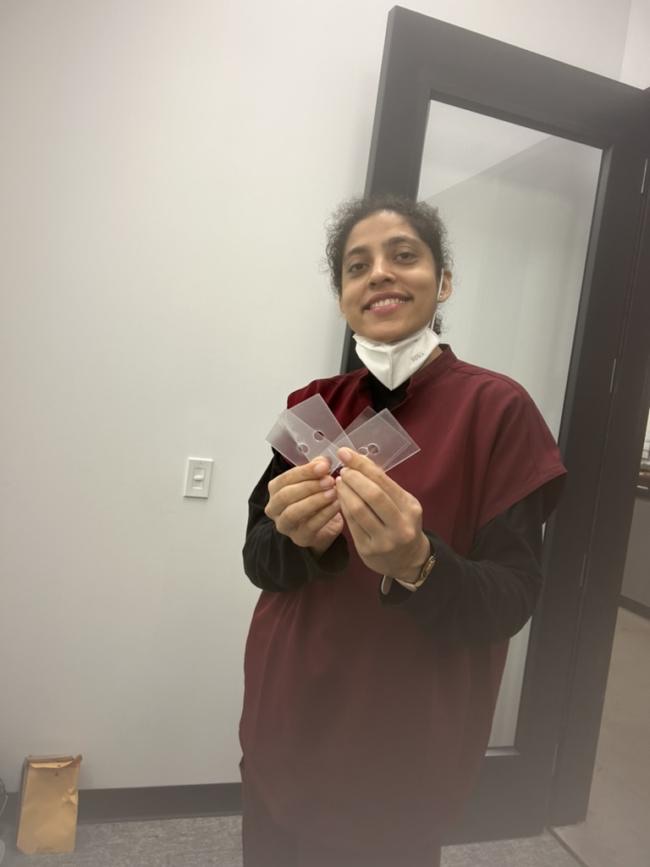
While the eggs do catch, the viewing area becomes the next issue. We’re working to circumnavigate both the viewing area and the filtering process with a low-tech solution, currently in the works. Thinking caps are on.
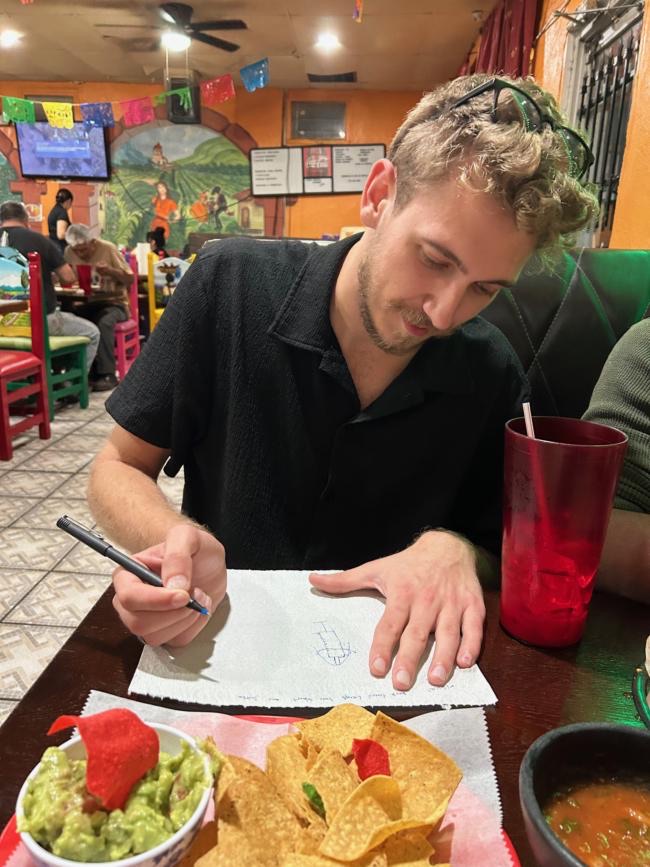
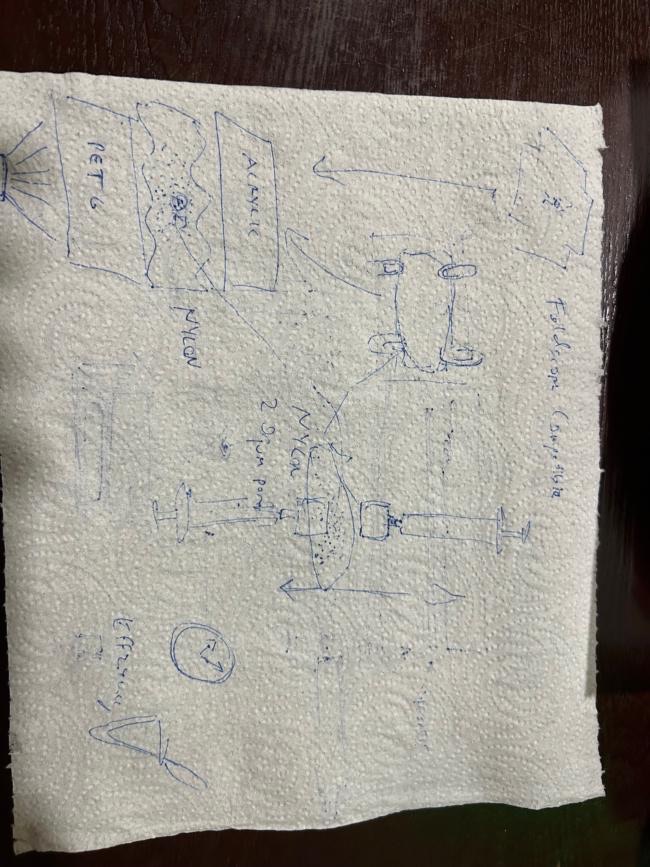
Always follow through on dinner-napkin ideas — ideally next-day.
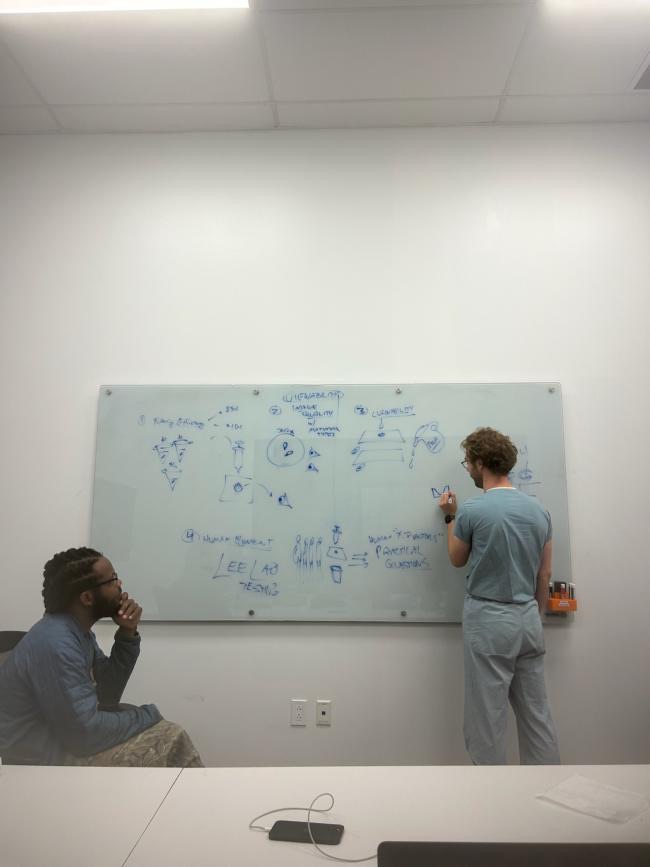
Until next time.
Frugal science runs on simple ideas
Thank you for following the build. These field notes are the messy middle of making diagnostics accessible. Please share them with anyone who’d want a look behind the scenes of what this work takes.