 Daniel Amao
Why is it so hard to fight a “neglected tropical disease”? The answer is hiding in that title.
So let’s talk about it. What is schistosomiasis? Before the science, a quick gut check. Most people guess wrong, and the wrong guesses tell you a lot about why the disease stays neglected.
Pop quiz
What is schistosomiasis?
It’s a parasitic infection, caused by worms that live in freshwater snails. (Though, in fairness, it is also a world-class tongue-twister.)
One Health
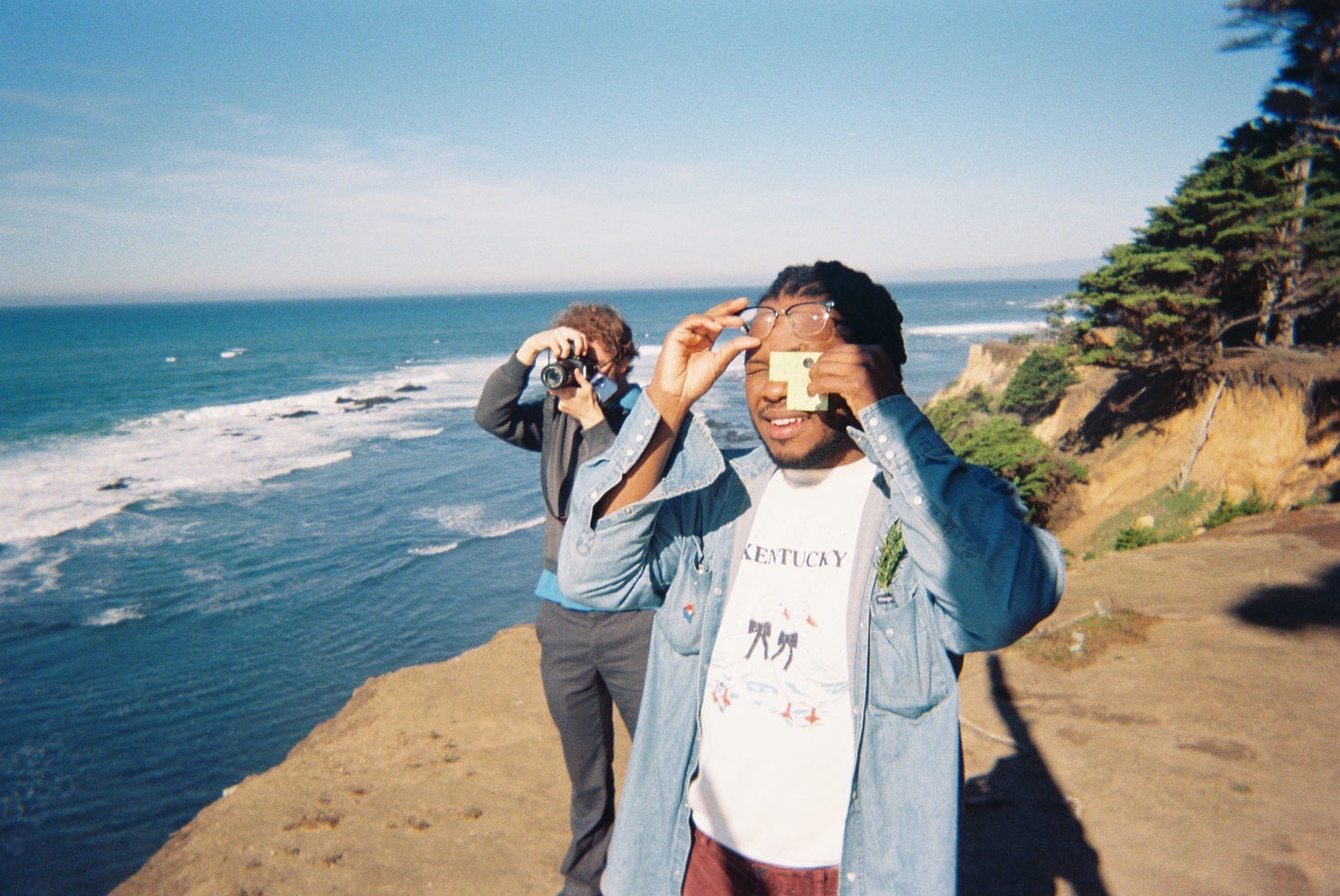
One Health is a principle: all life forms are interconnected. A good way to feel it is to follow water. Livestock, plants, and microbes all depend on the water cycle — and human health rides along with it. Microplastics. Mosquito-borne illness. The list runs long, and schistosomiasis sits right in the middle of it.
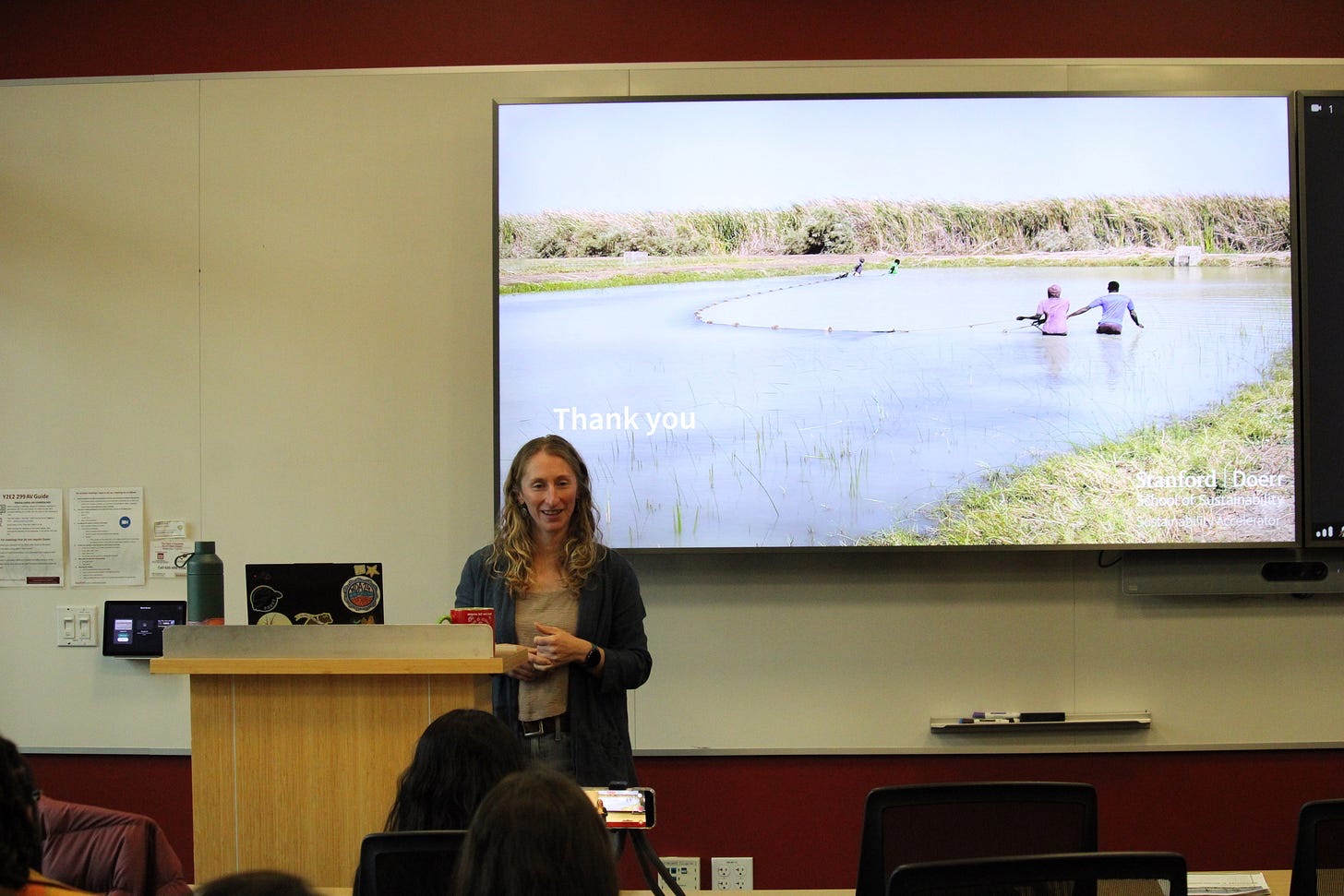
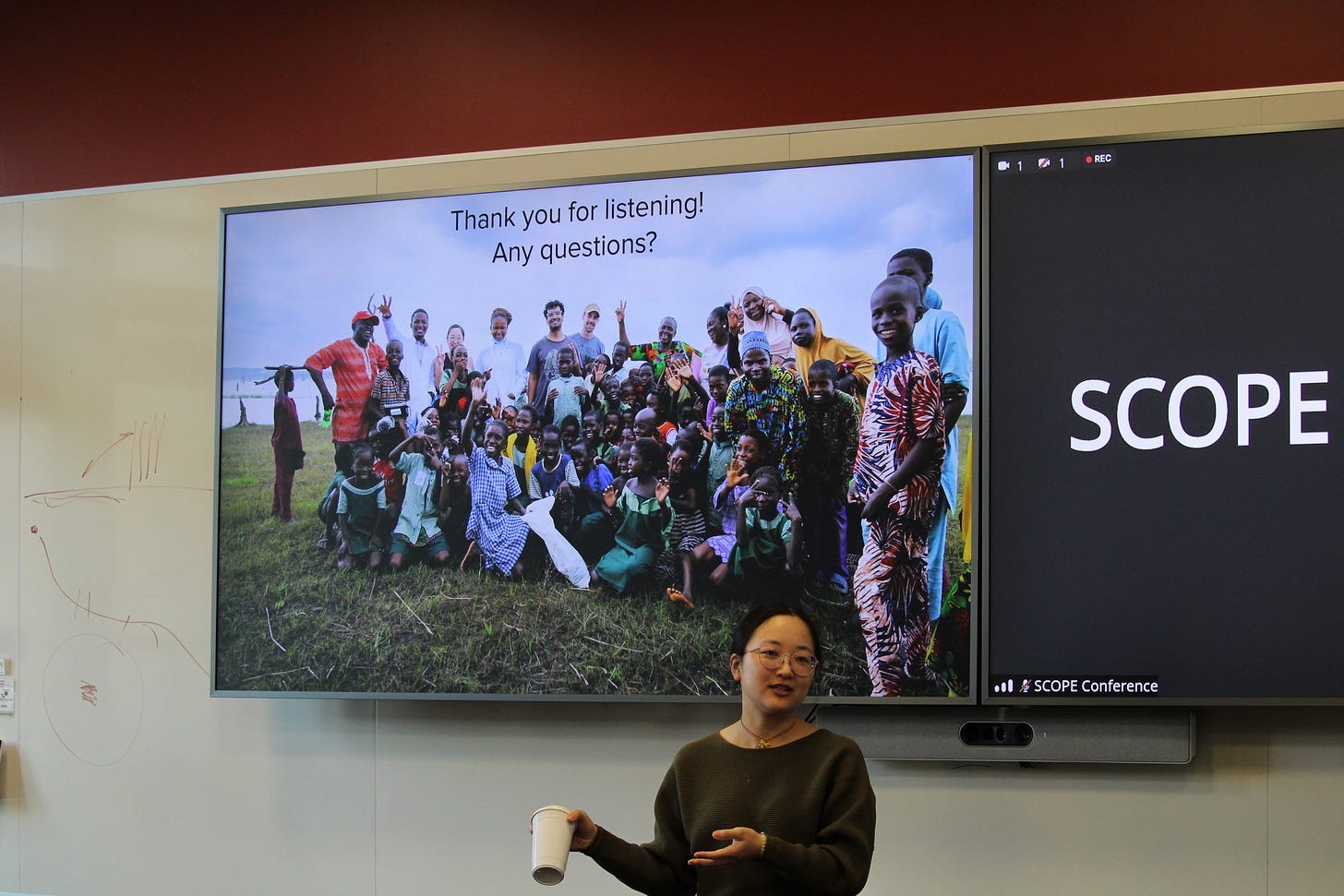
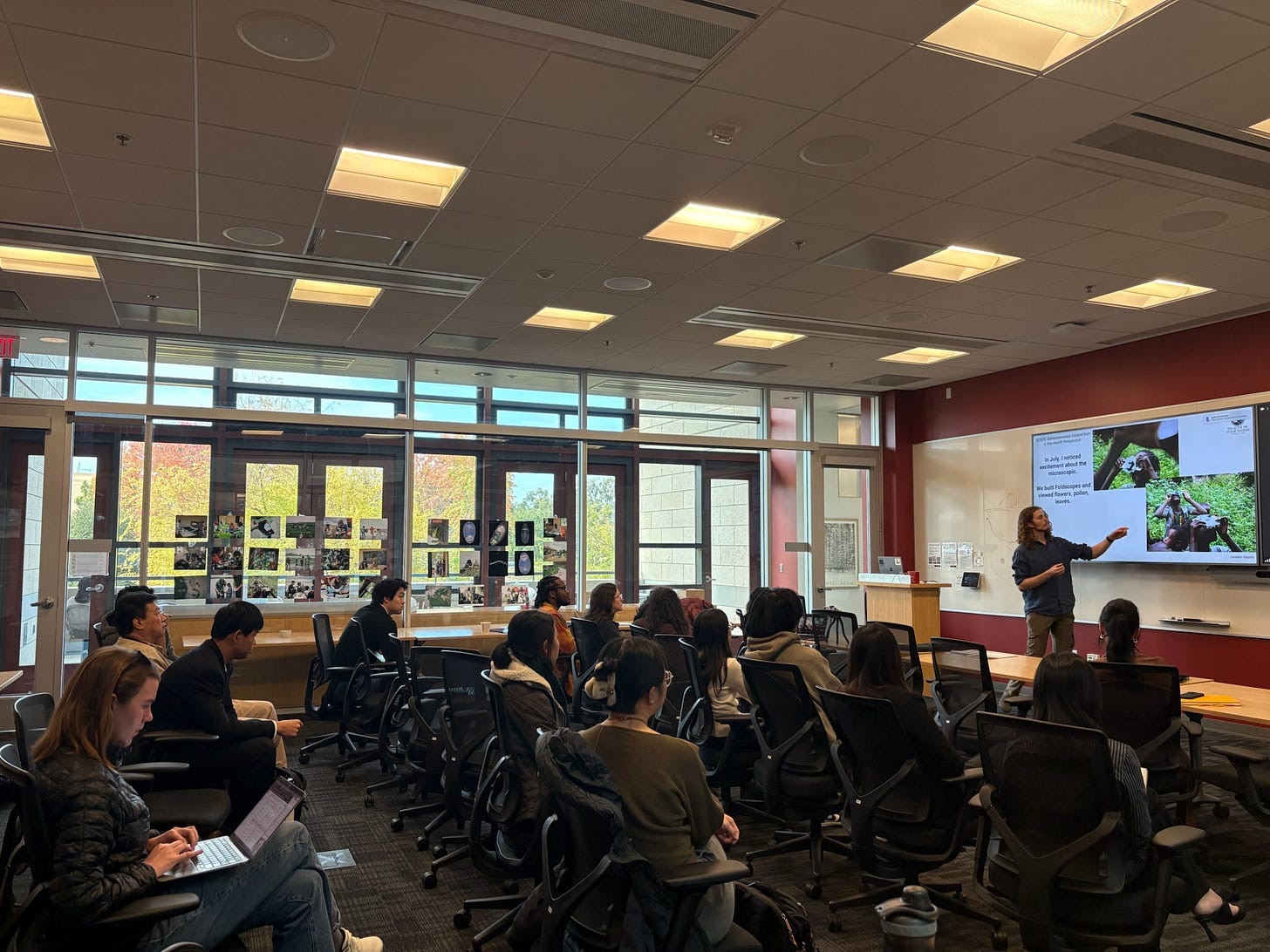
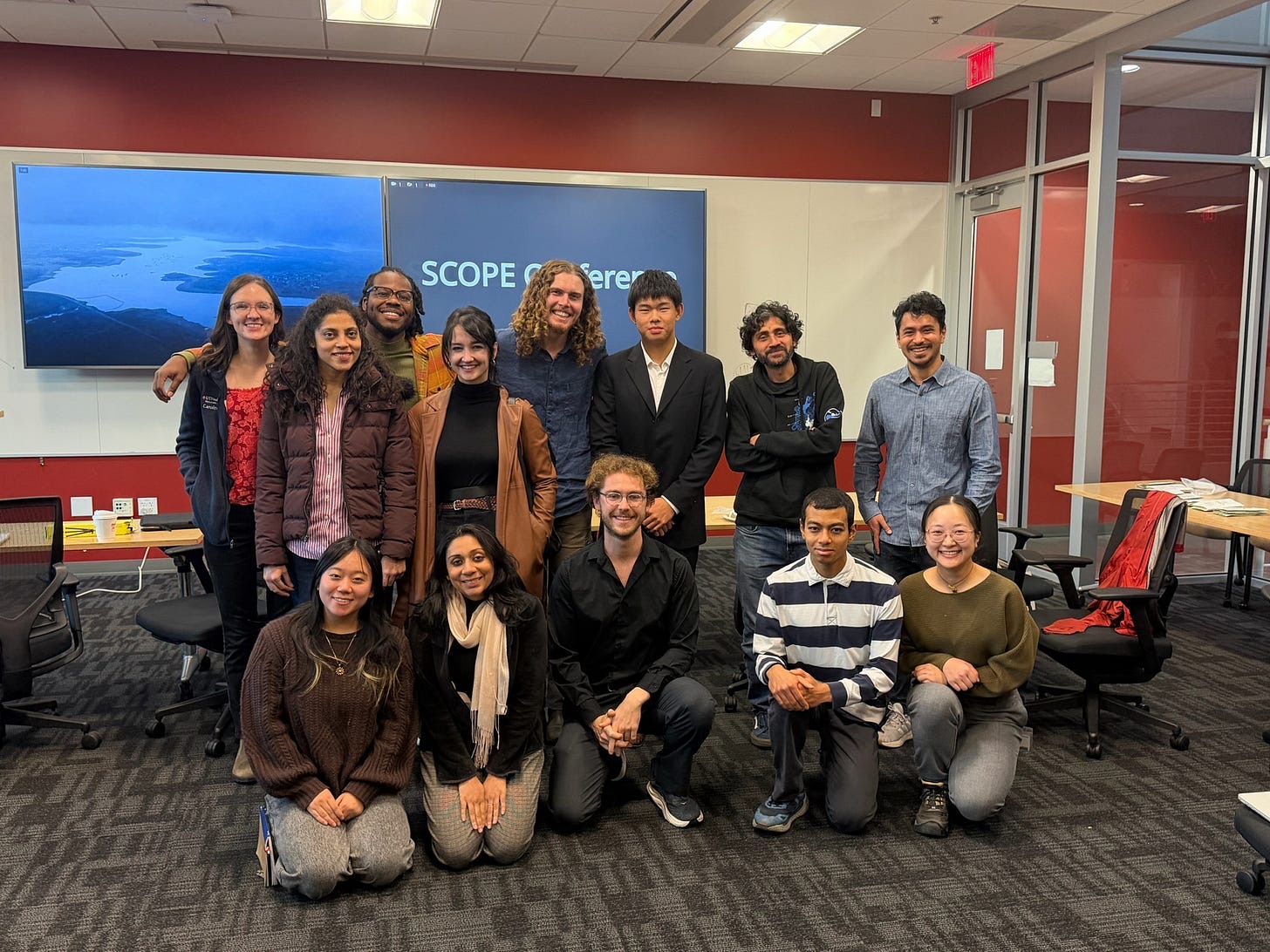
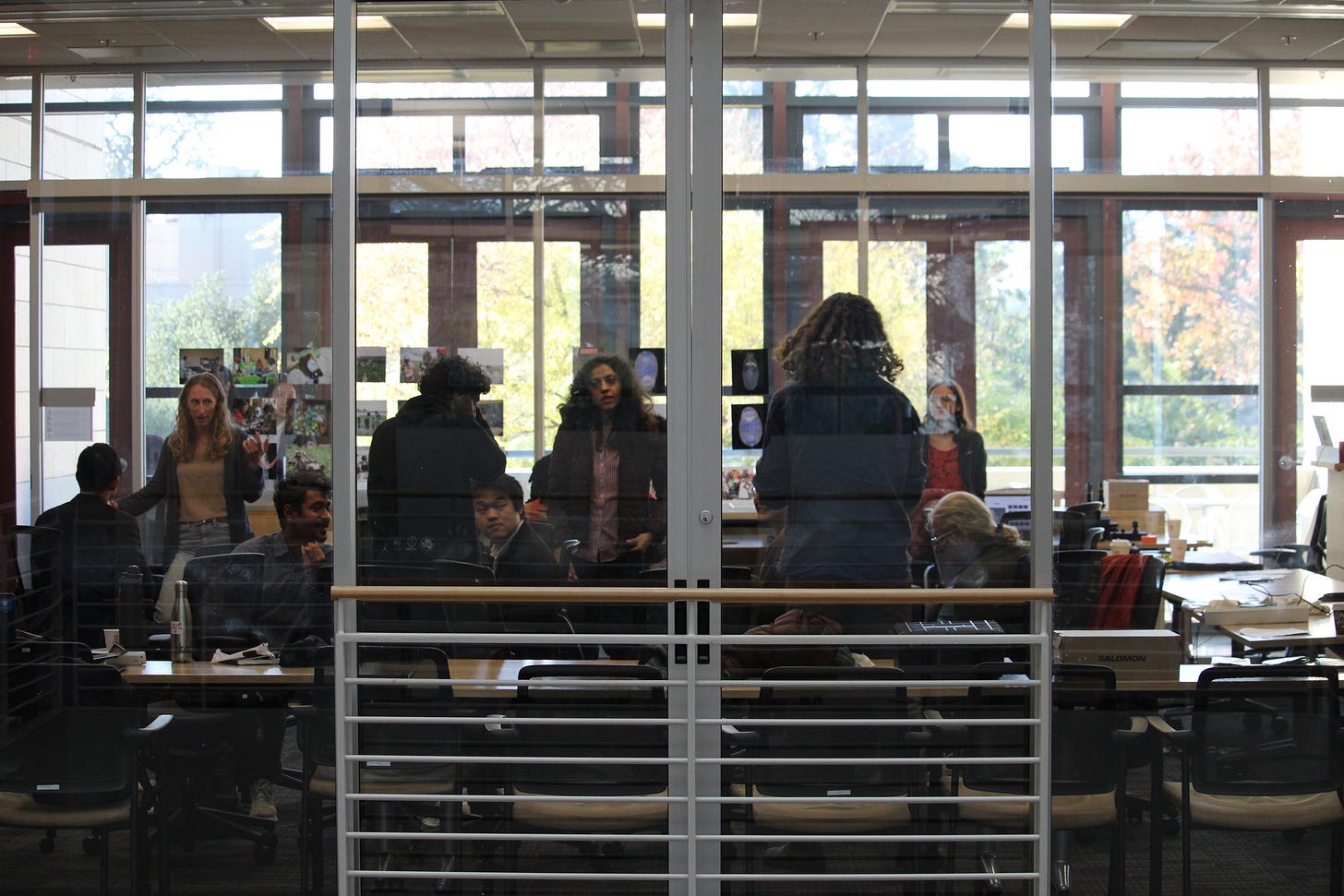
In December, we hosted a symposium at Stanford University with the Prakash Lab and the Stanford Center for Human and Planetary Health. The idea was to cross-pollinate: to put the ideas and solutions tried by different teams of scientists, communicators, and educators, across several continents, in one room.
Health in Your Hands is a student-led international research collaborative using low-cost innovation to address pressing global health challenges — because we believe in empowering communities to take their health into their own hands.
A disease of poverty
Schistosomiasis is a parasitic infection caused by worms that live in freshwater snails, and it leads to chronic illness for millions of people, mainly in Sub-Saharan Africa. It can lead directly to bladder cancer, and it’s usually first noticed when someone begins urinating blood.
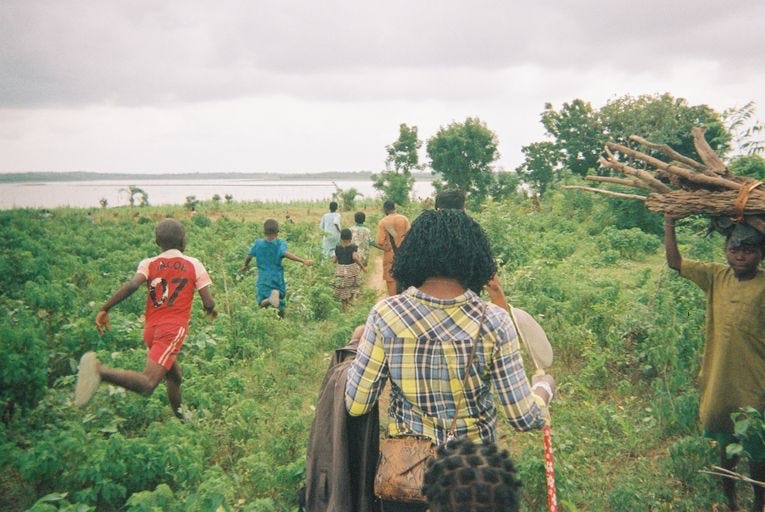
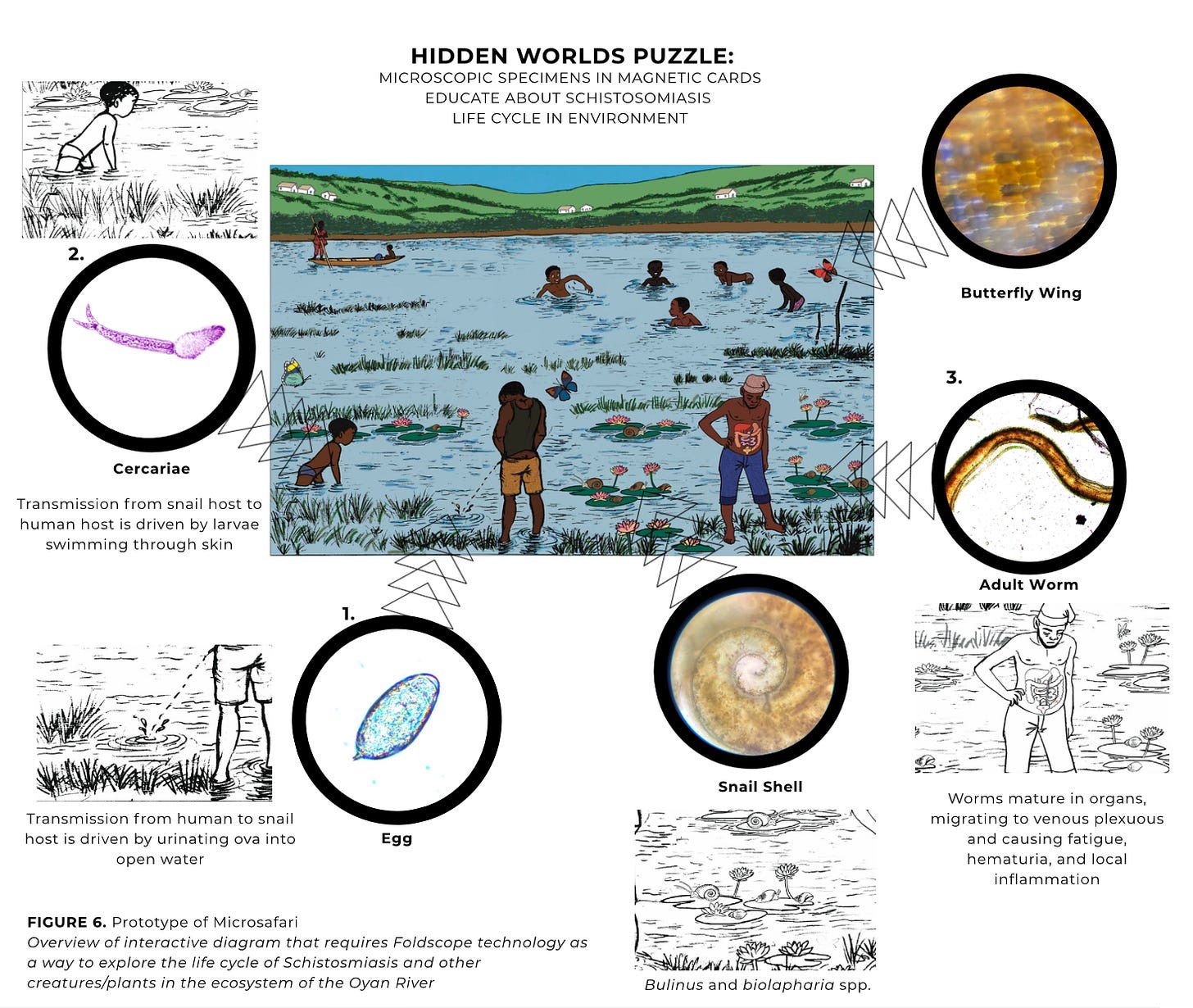
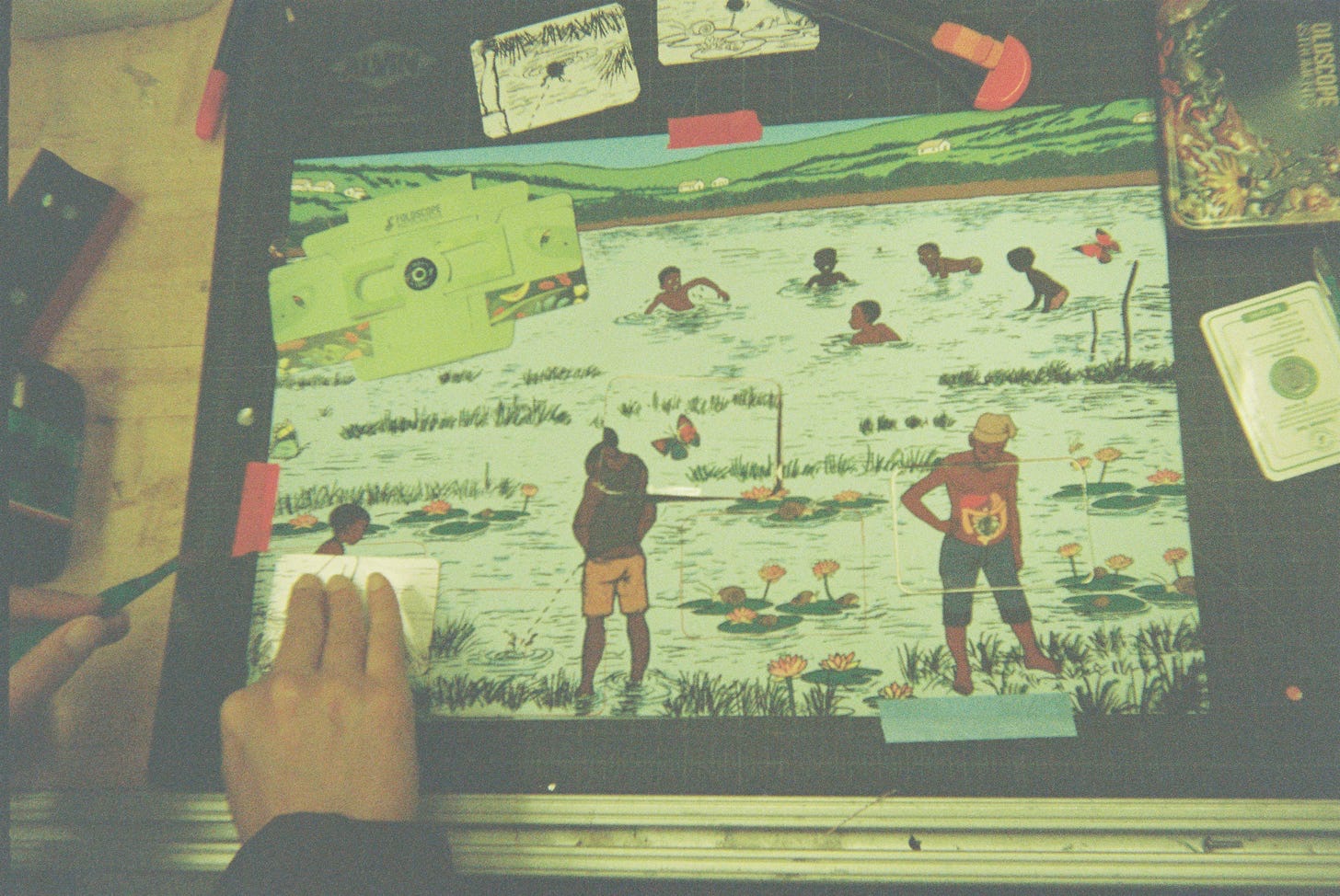
In some regions, that passing of blood in the urine becomes normalized, simply because the illness is so prevalent in the community. The infection itself occurs when skin touches water, and even a single droplet can carry a tiny worm that wriggles through the skin and into the bloodstream. It returns to the environment through human urine or stool, running a full cycle between person and snail.
An illness like this is best fought on all fronts, because the barriers to eliminating it are as tangled as poverty itself. In fact, it’s considered a disease of poverty.
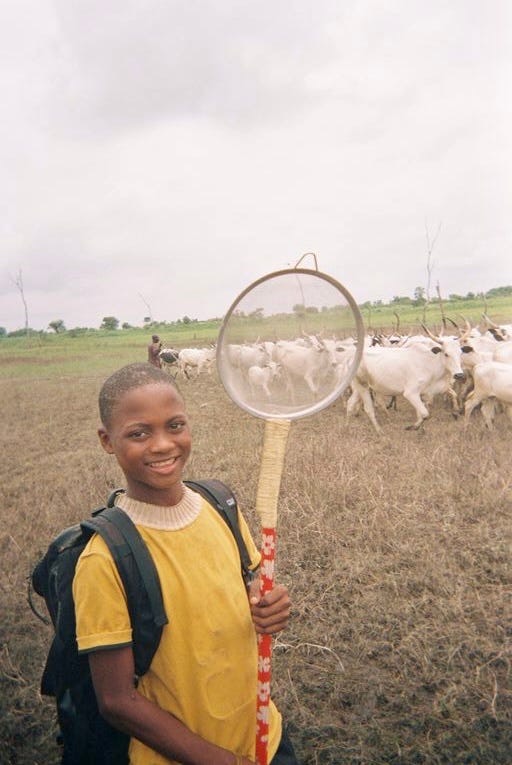
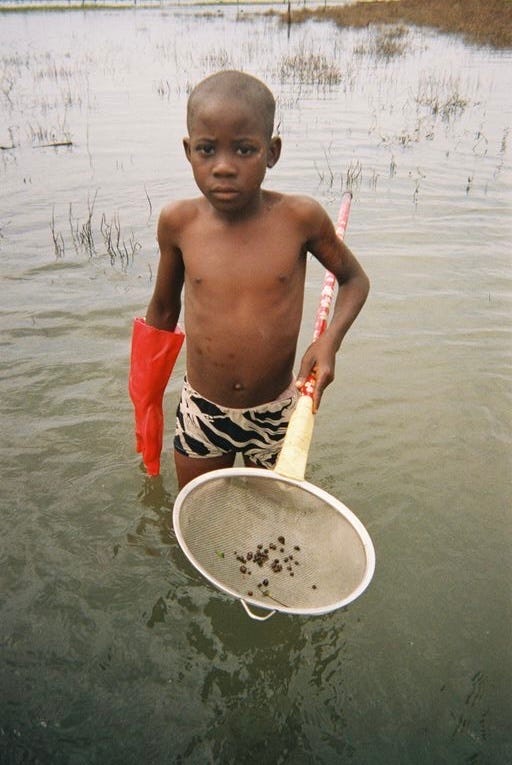
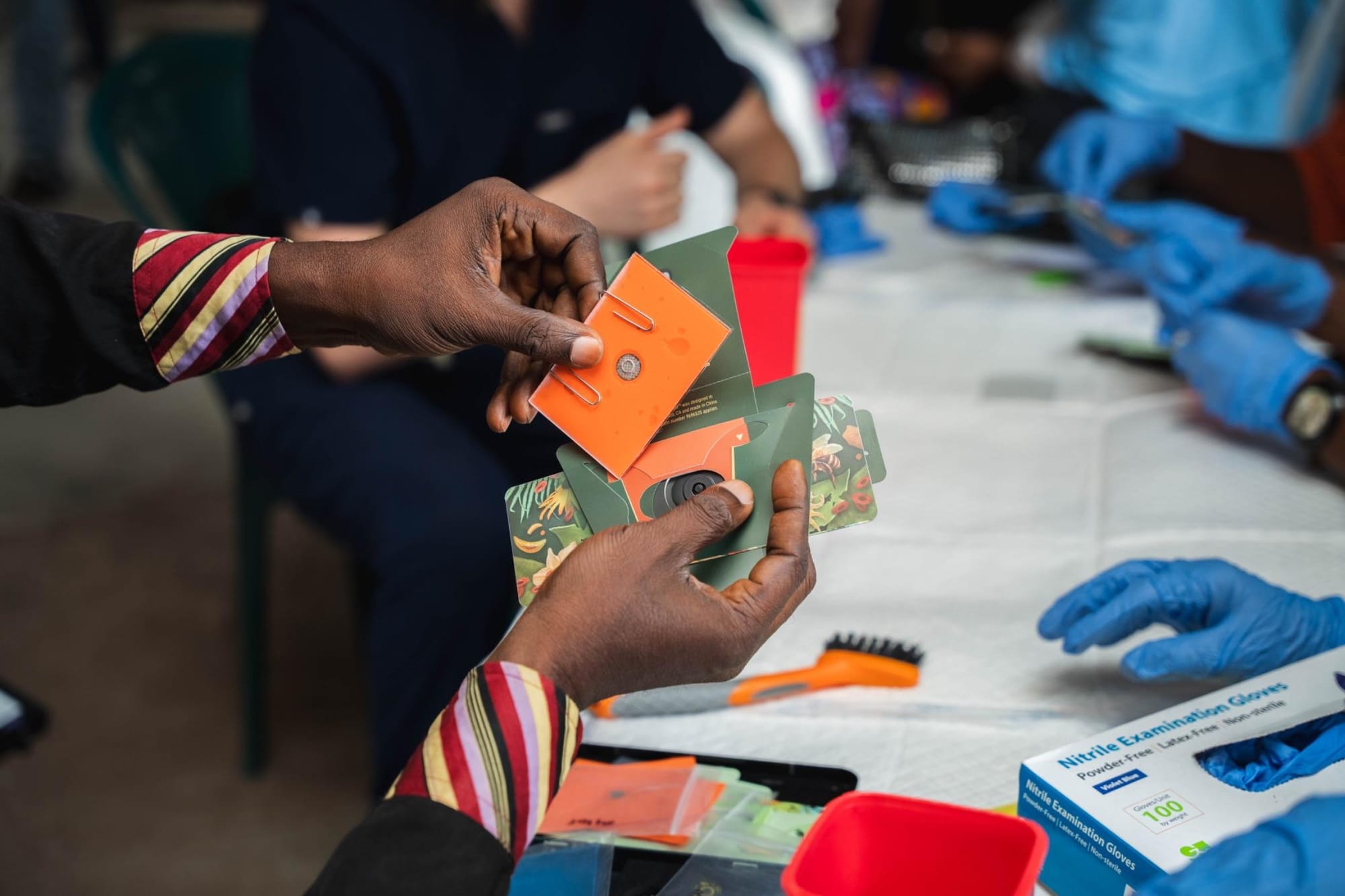
One of the hardest parts is geography: the disease is most prevalent exactly where modern infrastructure, testing facilities, and clinics are most remote. It’s completely treatable with praziquantel — the trouble is getting the drug to the people who need it, and knowing who to give it to. Accessible diagnostics came up at the symposium as a high priority, but one that has to be pursued in a community-led way.
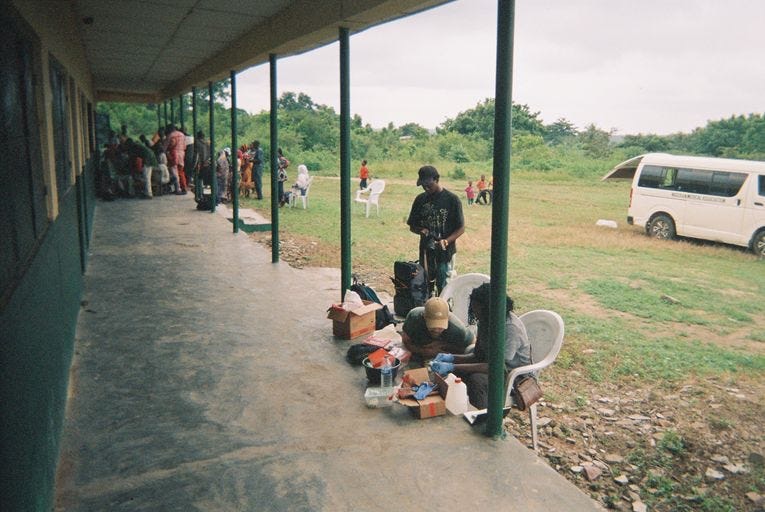
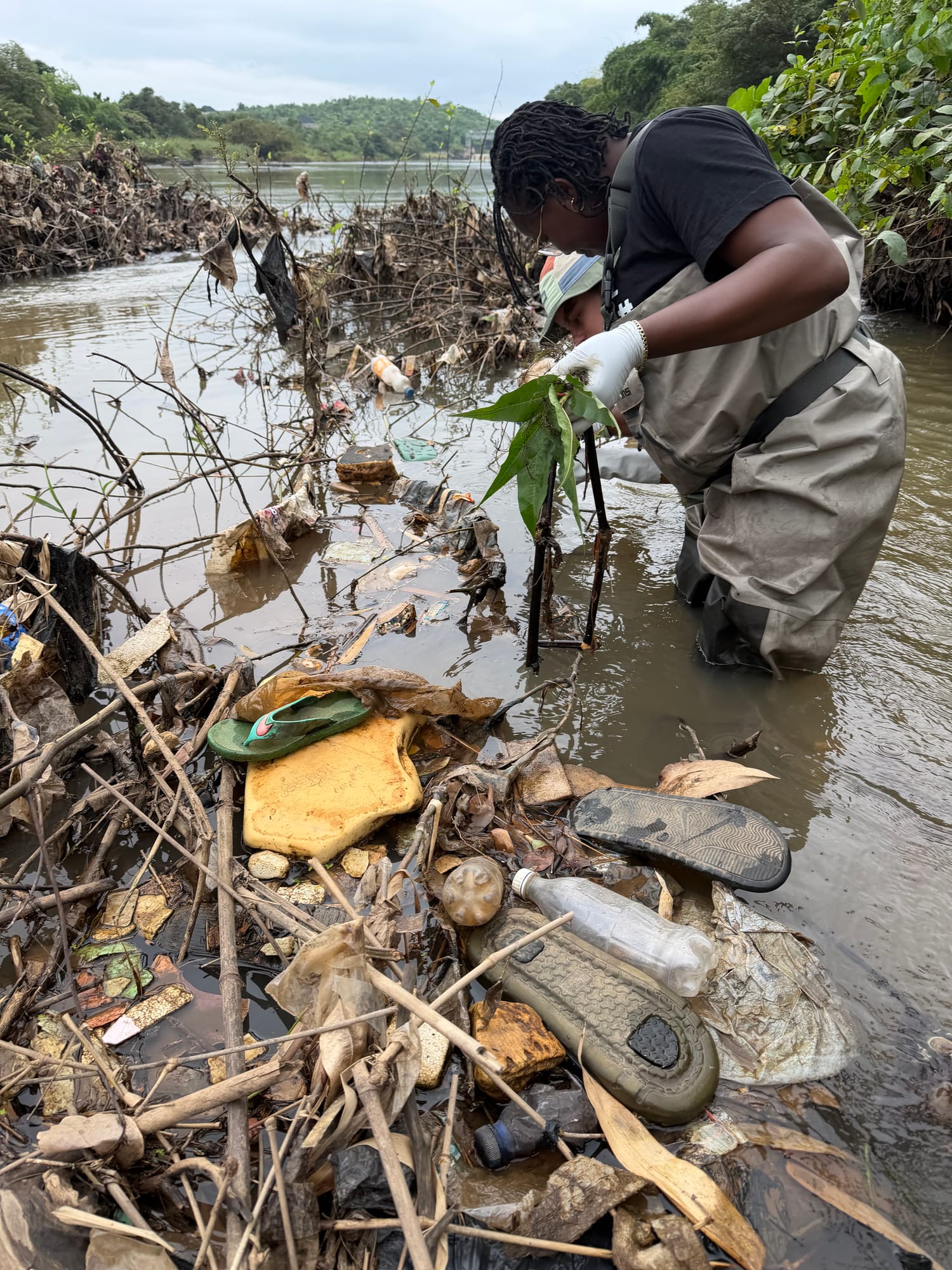
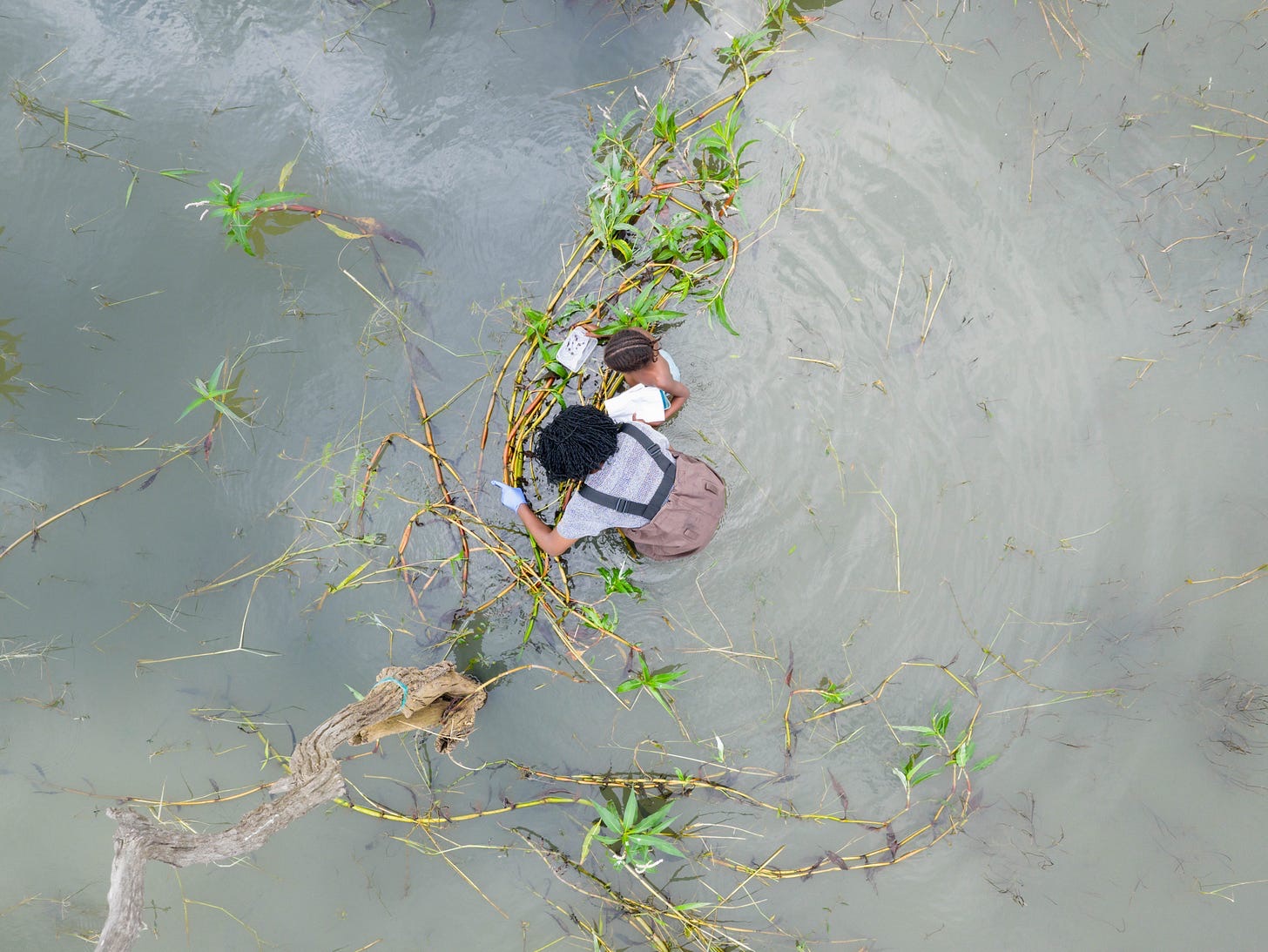
Then there’s reinfection. When you fish, farm, and live off the water, exposure is nearly impossible to avoid. Environmental strategies (removing the plants the snails cling to, or farming the snails’ natural predators) were among the approaches we traded notes on at SCOPE.
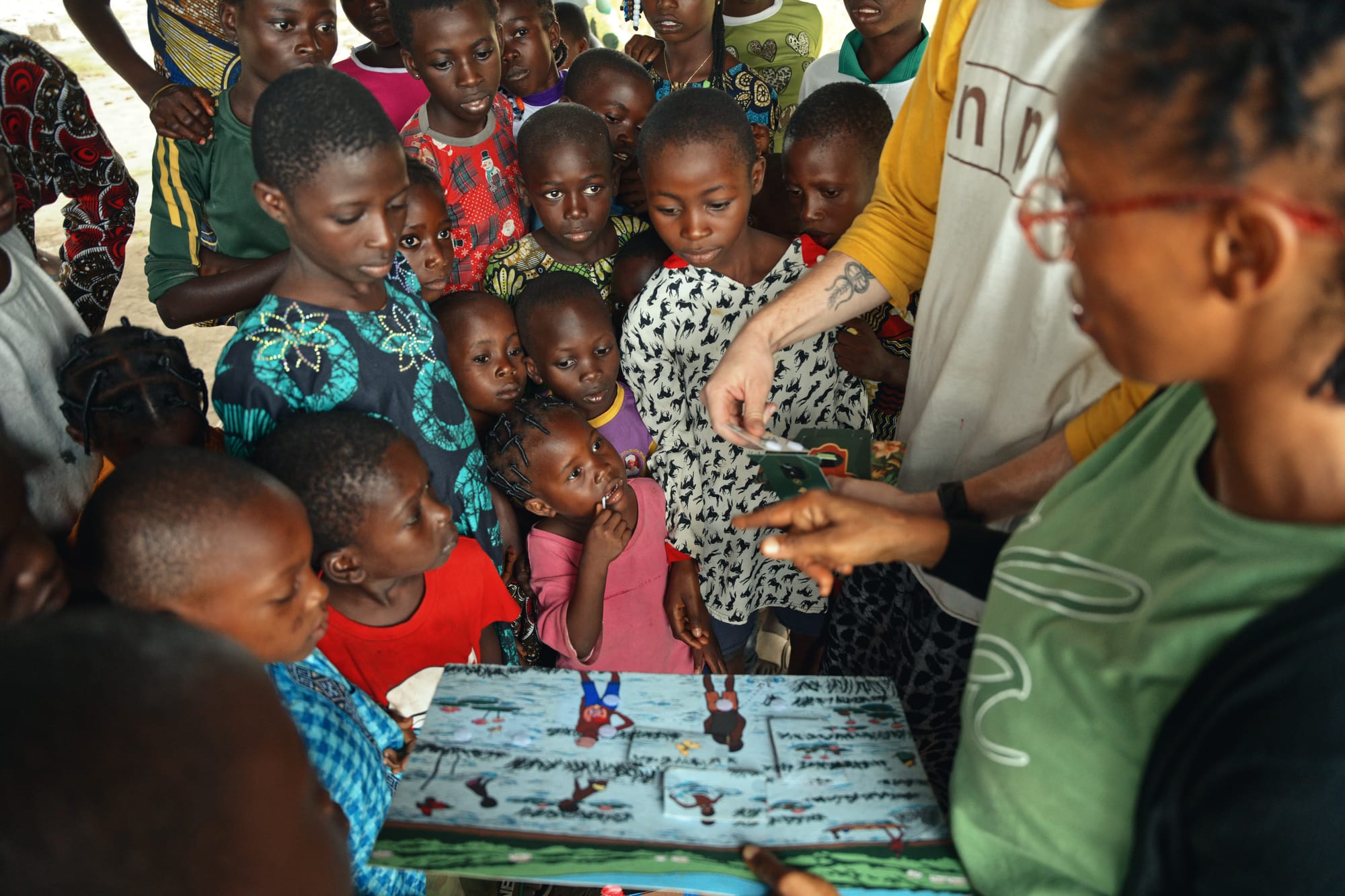
And there’s education, which may matter most of all. Understanding is what makes change last. The best solutions for a community tend to come from within it — from the people who live the problem daily and are best placed to adapt around it. That’s why so much of our work is aimed at engaging, genuinely fun ways to study the parasite, built for students who might just catch the spark.
Solutions, cross-pollinated

A puzzle to teach a parasite
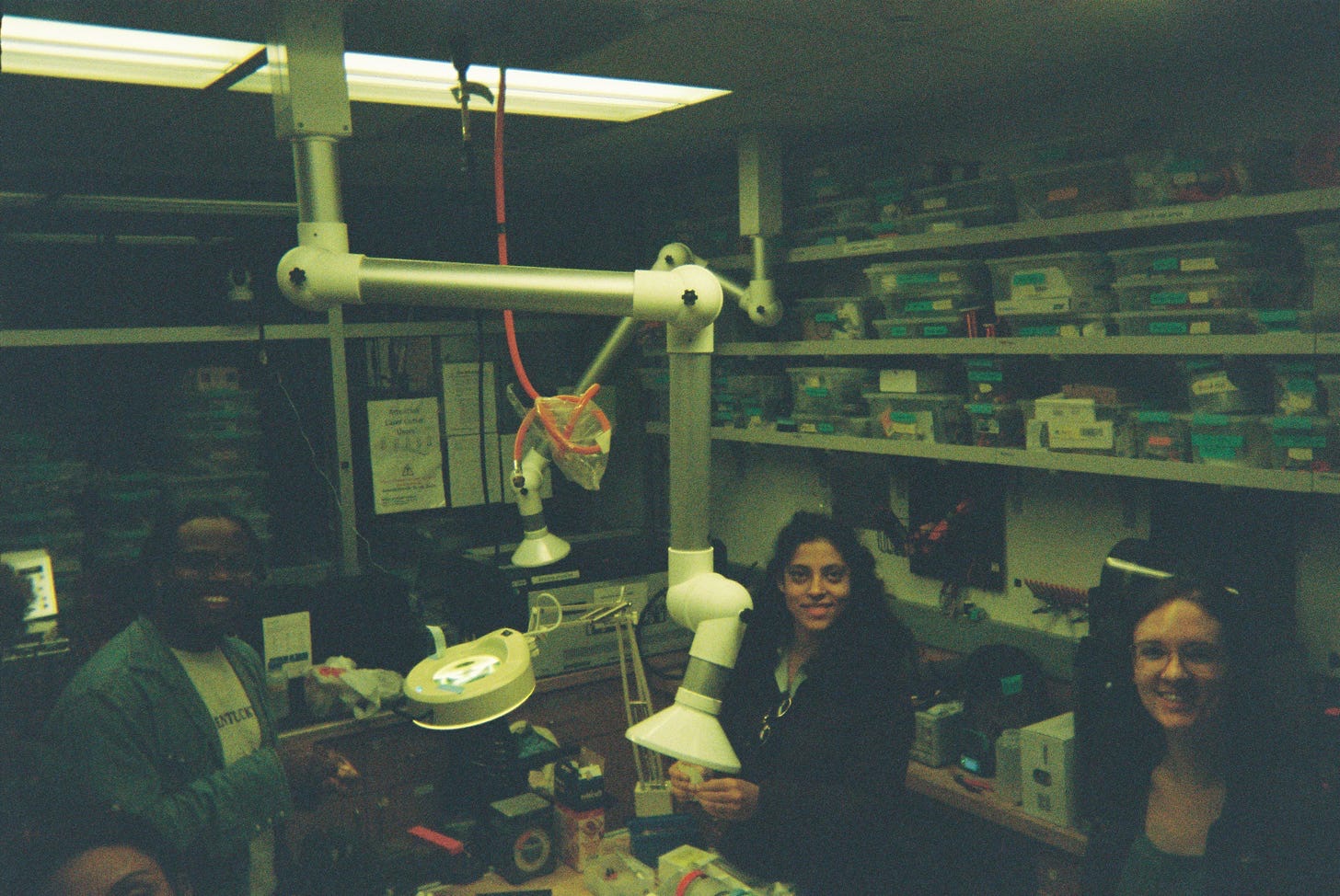
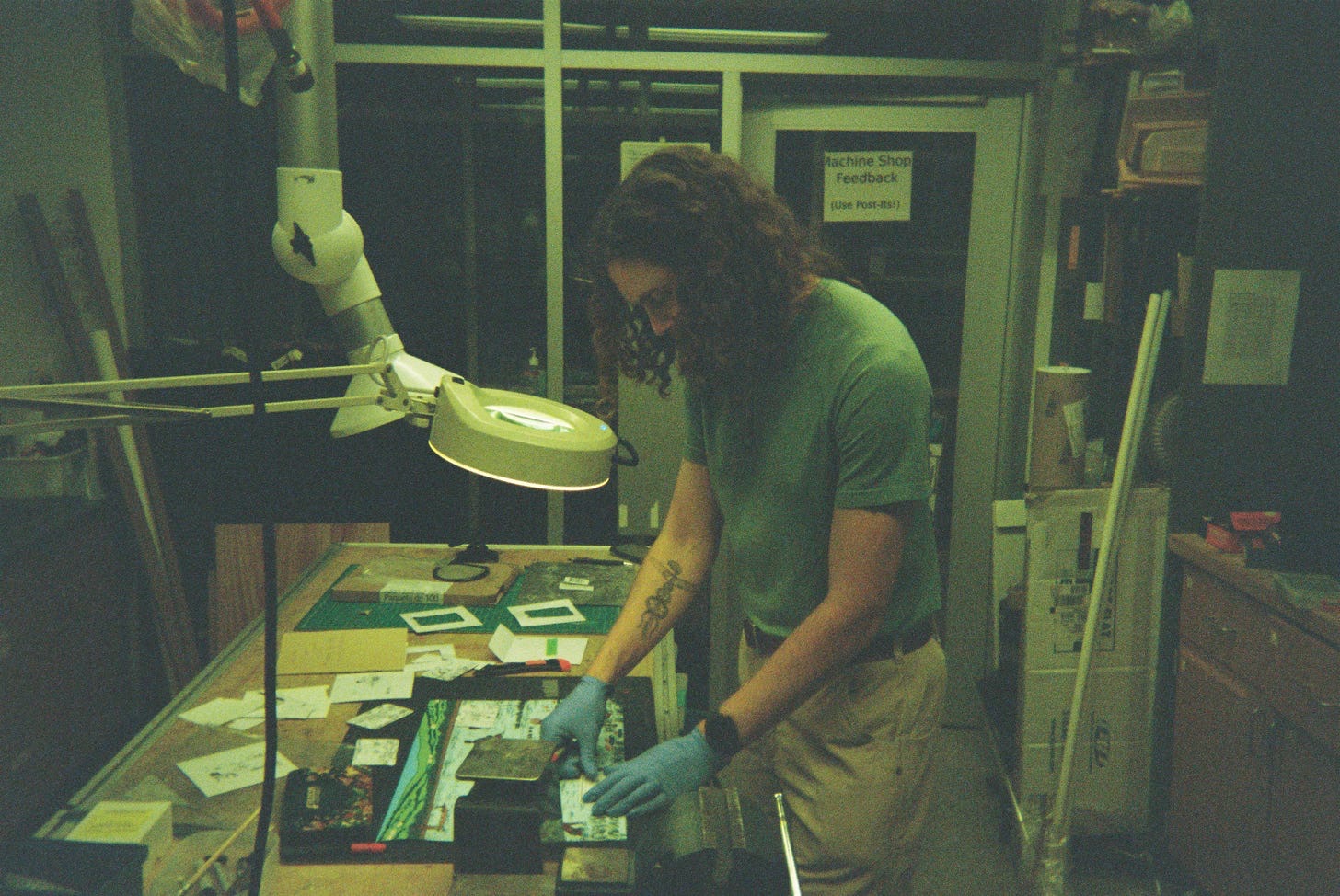
While we had the room, we made the most of it. In the Prakash lab (Manu Prakash, co-inventor of the Foldscope and our research mentor, kindly let us set up shop), we worked on a puzzle designed to teach children about schistosomiasis, co-designed with Lagos-based Nigerian artist Henry Ezeokeke.
Watch & learn more
- The full SCOPE Symposium — talks, with timestamps and speaker info. Watch on YouTube ↗
- Health in Your Hands — our programs and the work behind this gathering. Explore our work ↗
A disease this tangled needs every kind of mind
Scientists, communicators, educators, and the communities living the problem — SCOPE put them in one room. Watch the full symposium, or follow the field notes as the work continues from the riverbank to the lab bench.