Hidden Worlds: a MicroSafari through the parasite’s life cycle
This August we tried a new way to map out the life cycle of the schistosome parasite, as an interactive puzzle, with the very learners we hope to educate and empower.
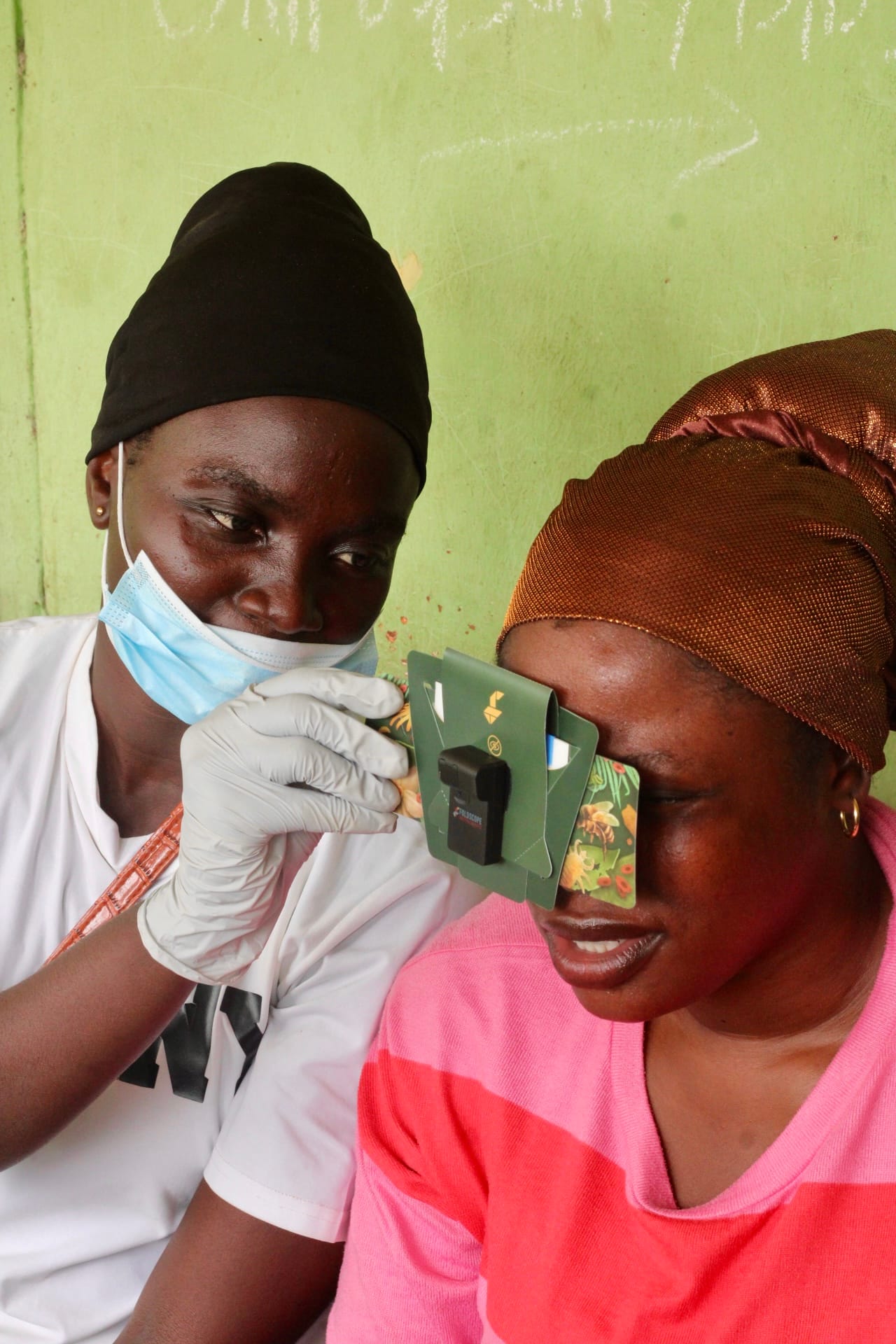
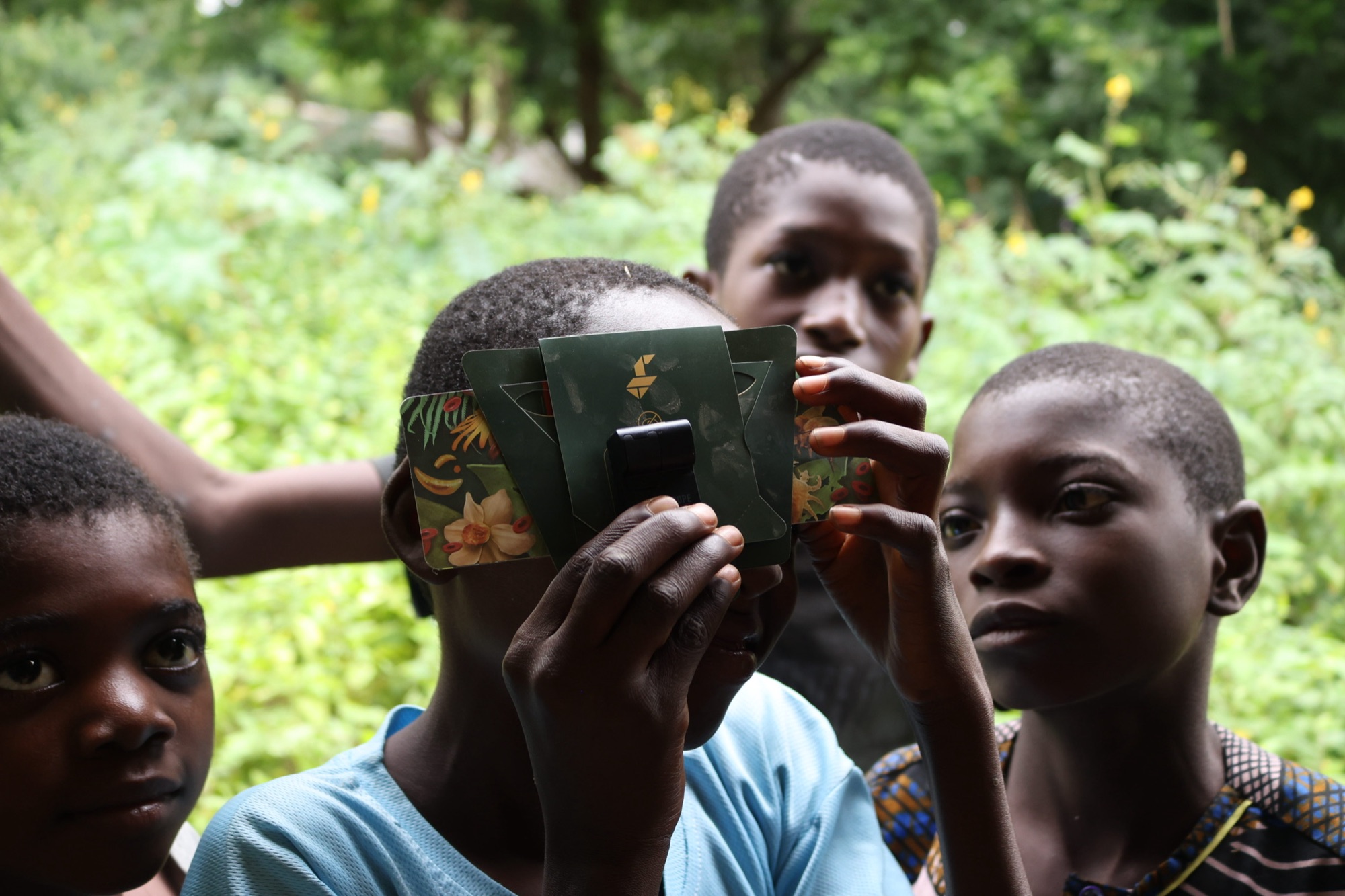
A first view of yellow flower petals revealed a hidden world of cells. A child in a rural village in Ogun State had just built a Foldscope from its unfolded parts, and ran to grab a petal to examine. That moment of curiosity and joy inspired me to find a way to teach about schistosomiasis to the children most affected by it. It took almost a year, but we found a way.
Teaching a life cycle no one can see
How do you teach a complex infectious-disease life cycle to kids who have never known the disease existed? You reveal the hidden world of the microscopic. And it helps to have a little bit of fun.
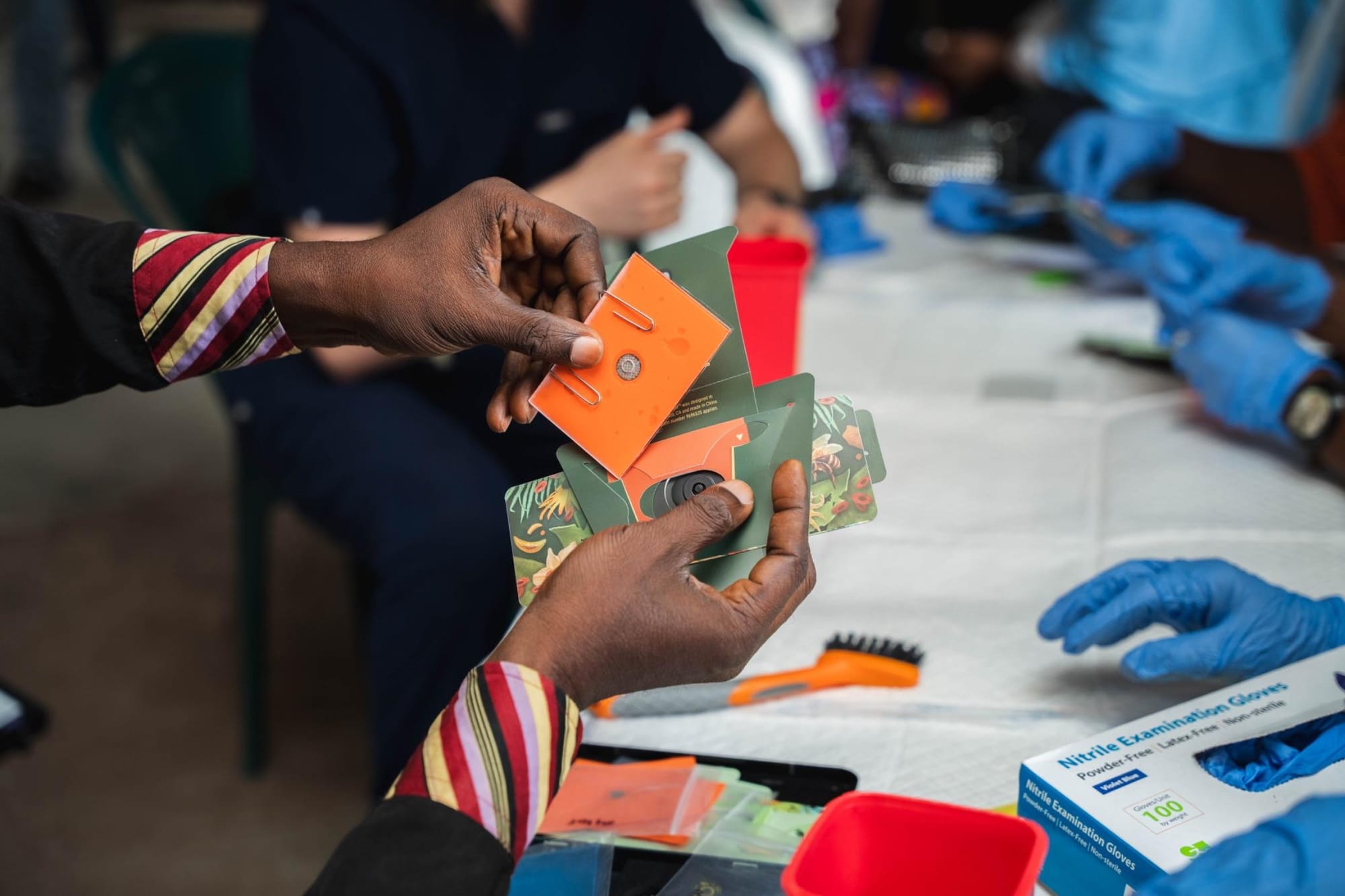
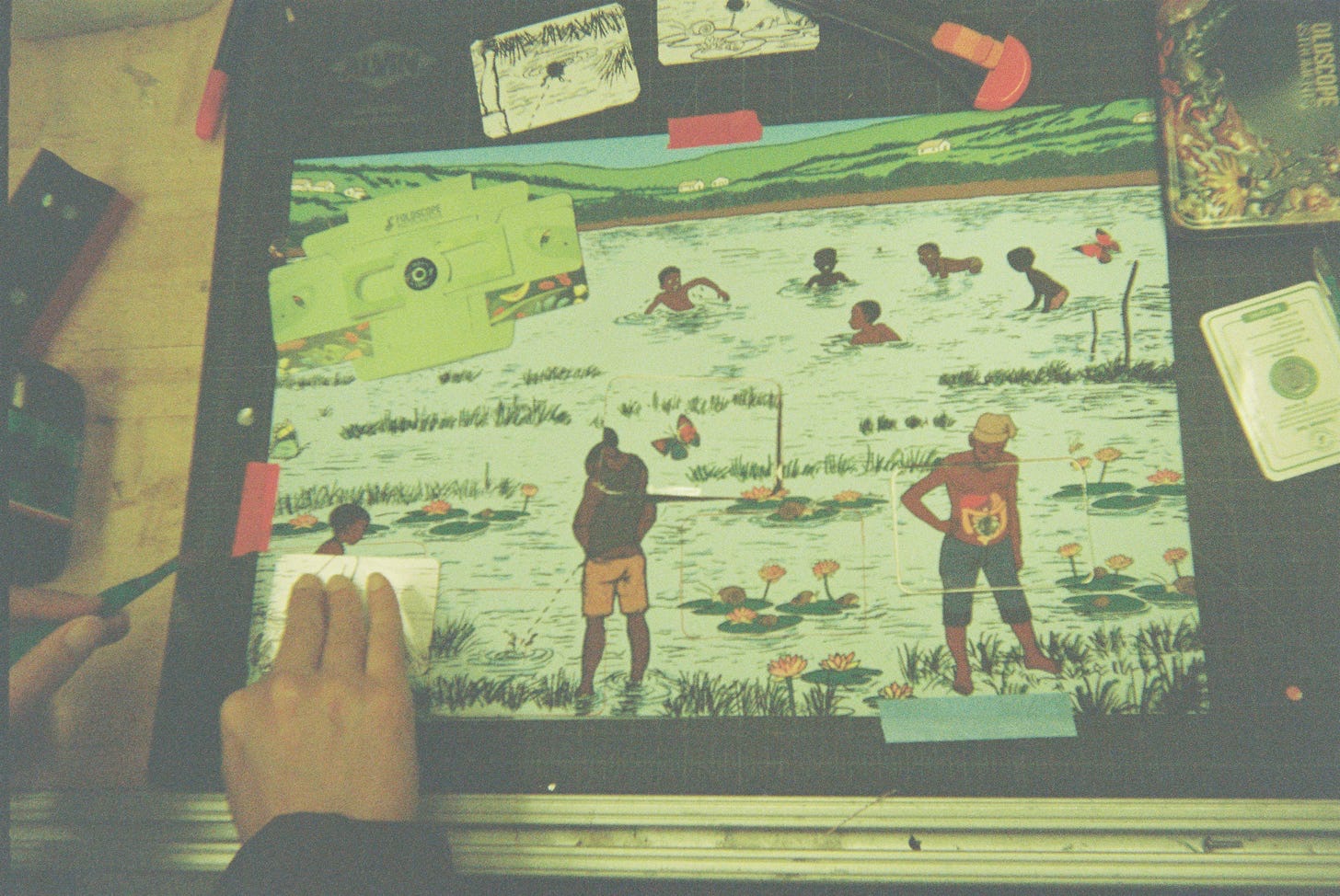
Every puzzle piece is a slide
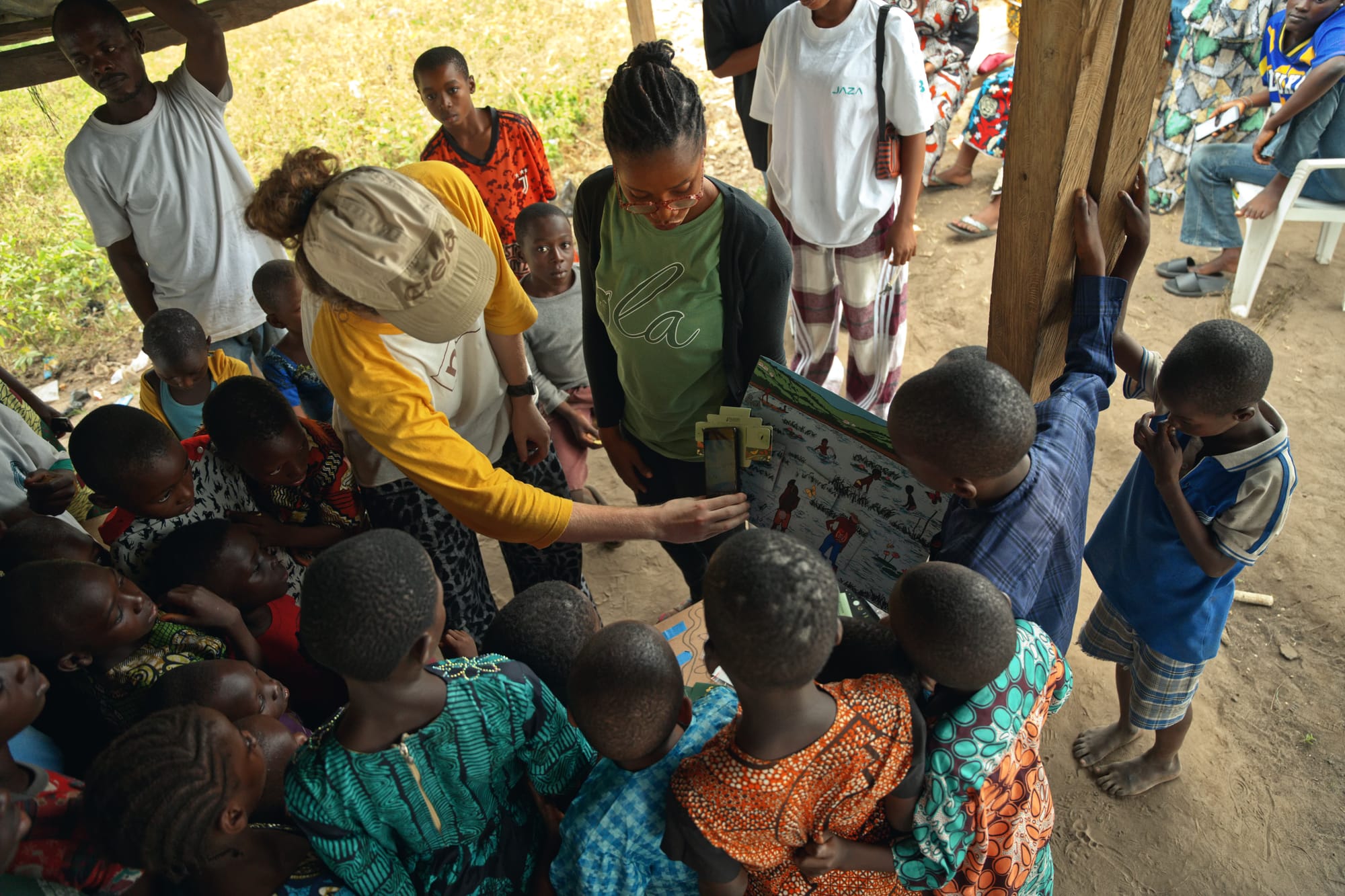
Hidden Worlds MicroSafari is a puzzle where each piece is a microscope slide. An omo arun, a baby worm, hides in the water. Look closer and you find a bigger worm inside the bladder of the man at the river’s edge. Look at his red urine, and you see the parasite’s eggs. Kids trace a circular path through the parasite’s snail and human hosts, one slide at a time.
Even a few of these moments of connection are the goal. Baseline understanding of the disease was very limited, and in many endemic communities, bloody urine is considered a normal sign of growing up.
Under a tree at Imoto
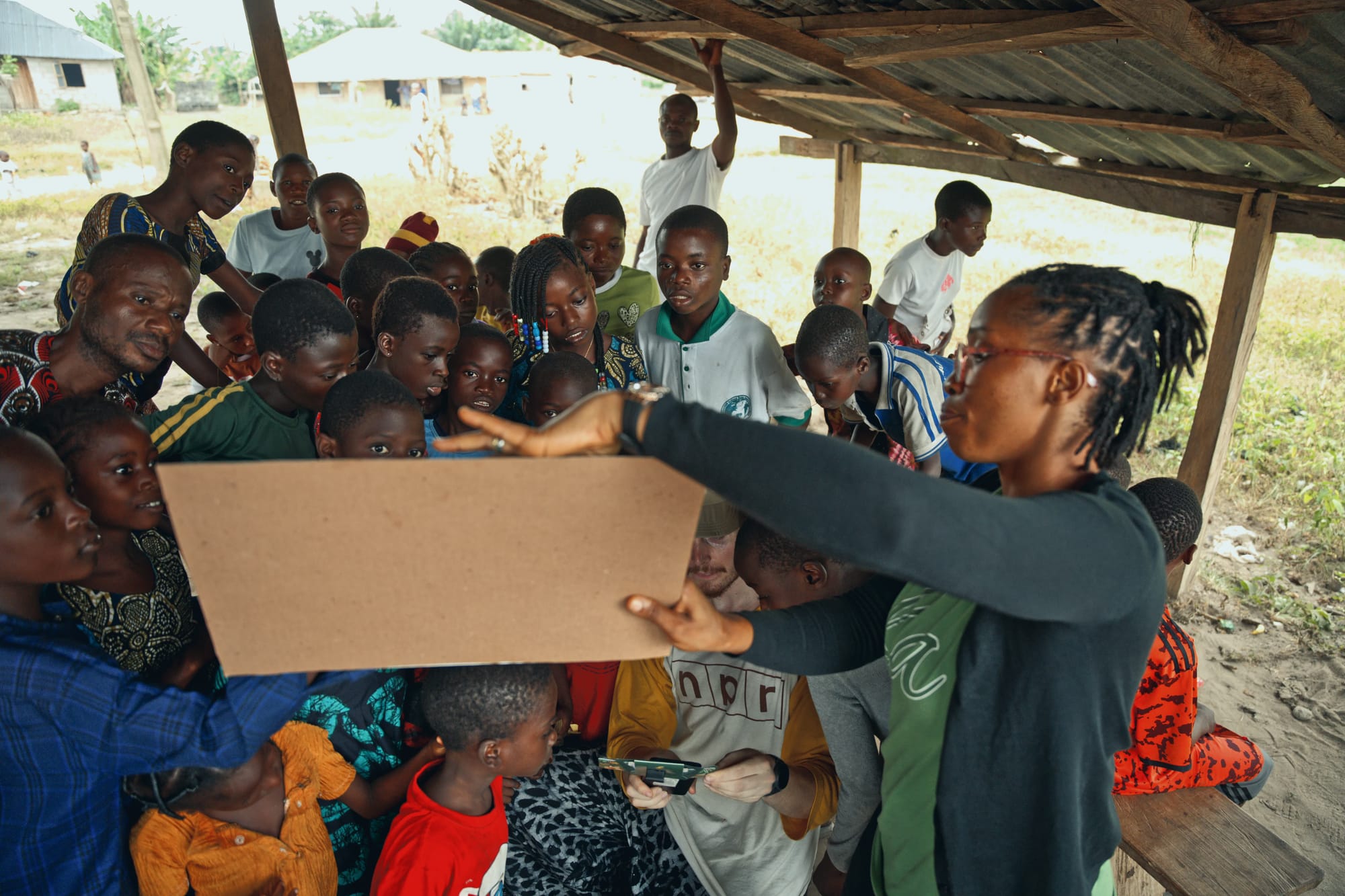
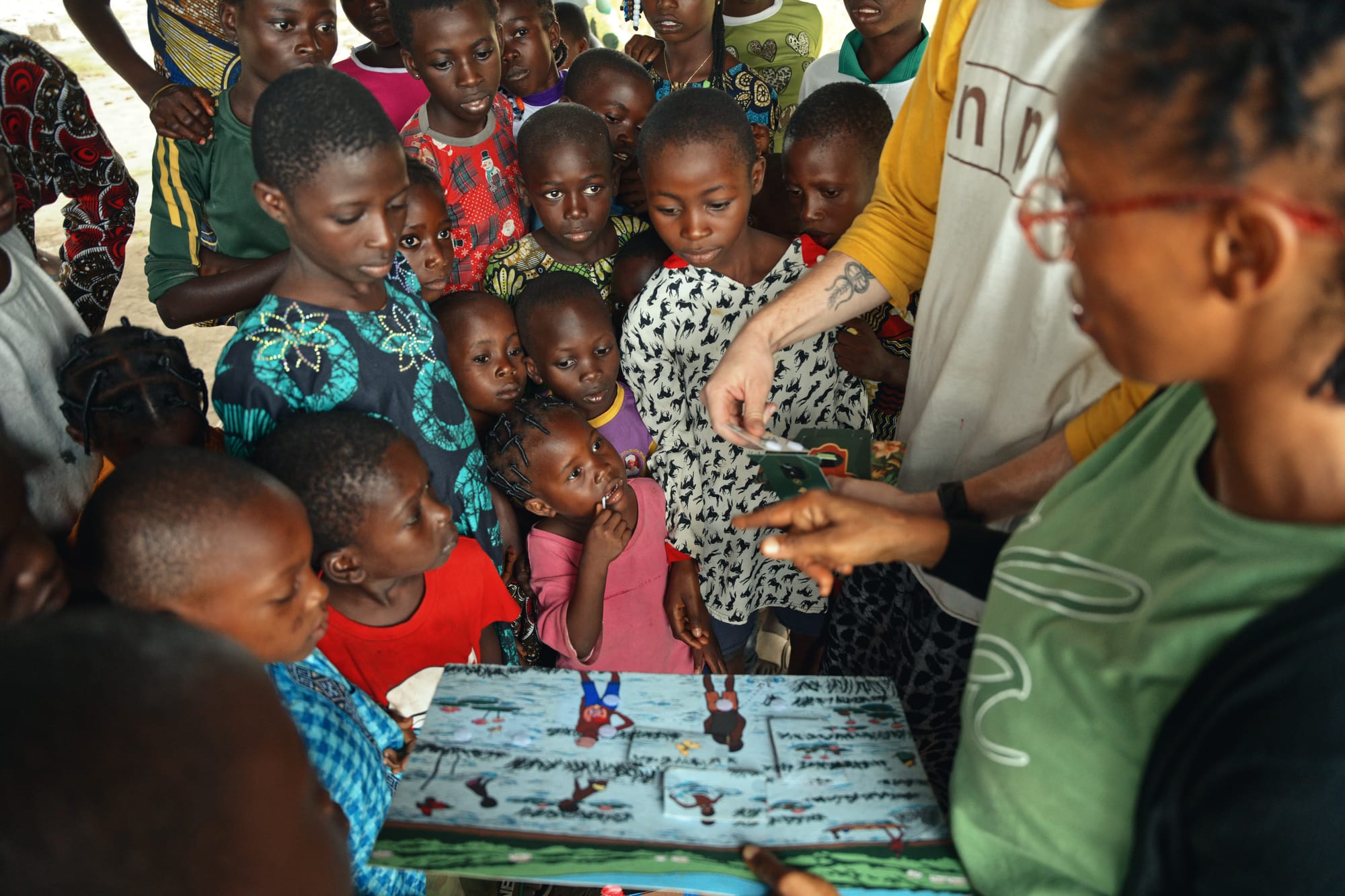
Under a tree at Imoto, Dr. Cynthia Umunnakwe asked everyone to repeat after her: “Schi-sto-so-mi-a-sis.” It was the first time almost every student had heard the word. What is in the snail? What is hiding in the water? Curiosity levels were high — so high that we had some snatching-Foldscopes-out-of-each-other’s-hands issues. A phone can amplify the image so several people can look at once, but sharing is hard when you’re excited. Better than the opposite problem of everyone being bored!
The kids described the eggs as egusi, watermelon seeds. And I learned some Yoruba in return: laba laba means butterfly, a favorite of everyone who plays.
Each piece was stuck on with velcro at first. Cynthia asked for magnets, and the next day I came back with a new prototype. That’s how we do it.
What the children knew
Before playing, we assessed understanding of the disease among the children, interviewing 191 kids in all. The general impression I can give right now: schistosomiasis is not something people are learning about.
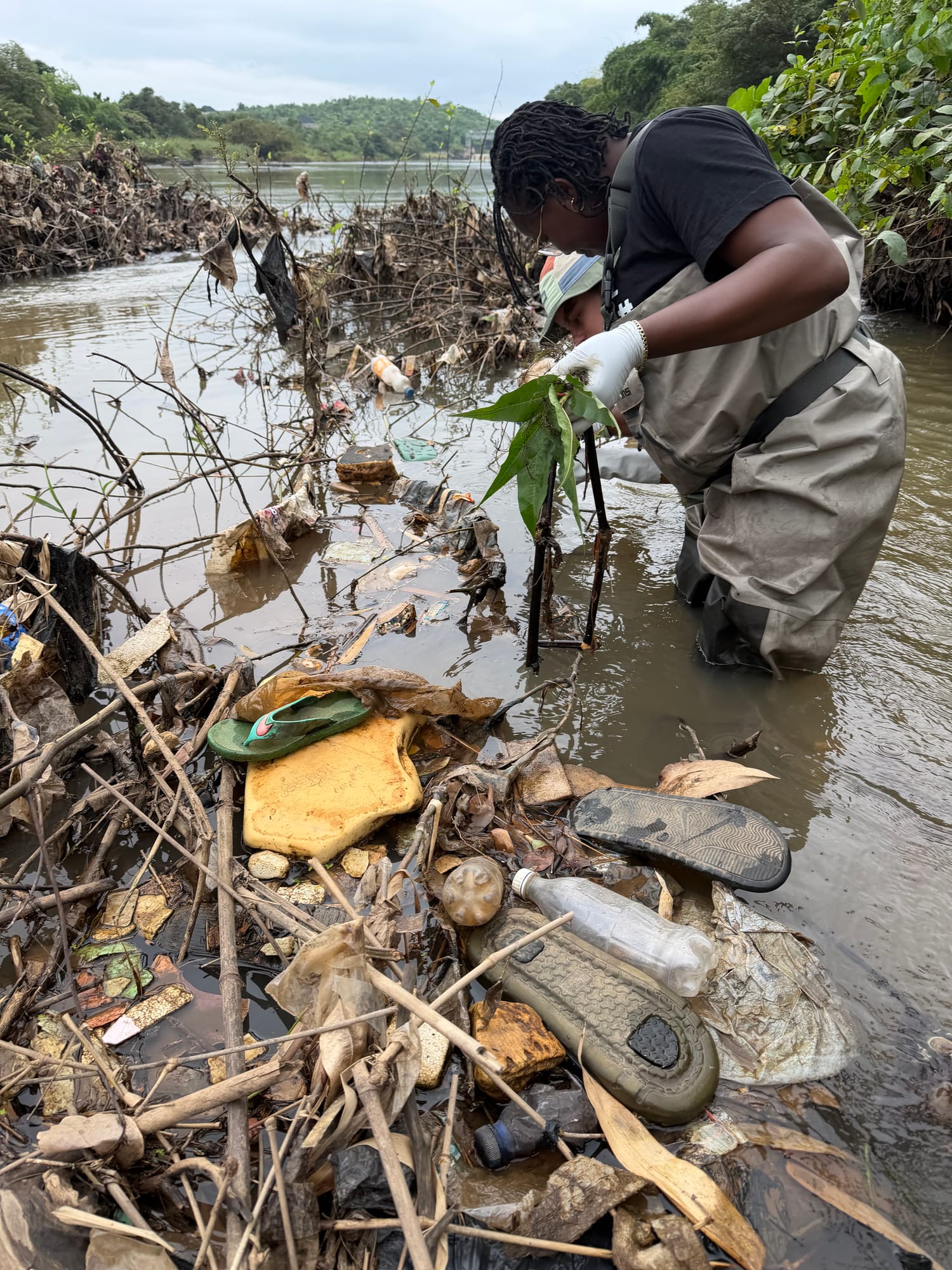
A reported “less than five-minute” walk to the river was associated with a significantly higher risk of a child testing positive for the infection.
After the interviews, Cynthia played the game with small groups, the students taking turns with the Foldscopes out and ready. I loved how many questions she asked, prompting them again and again: “Where would you find this?”
A chorus of butterflies
One of my favorite moments came when I decided to run a pop quiz after the students had spent some time with the game. I pointed to a card: “What will I find here?”
“Arun! It is a worm!” the students yelled.
Cynthia chimed in: “And what is this, in the urine?”
“It is EGGS!” — with confidence, after seeing them and studying them one by one.
Then I pointed to the butterfly, bewildered: “What is this?????”
“Laba laba laba laba!” — a whole chorus, making fun of how much I like saying “butterfly” in Yoruba.
From the Prakash Lab to the riverbank
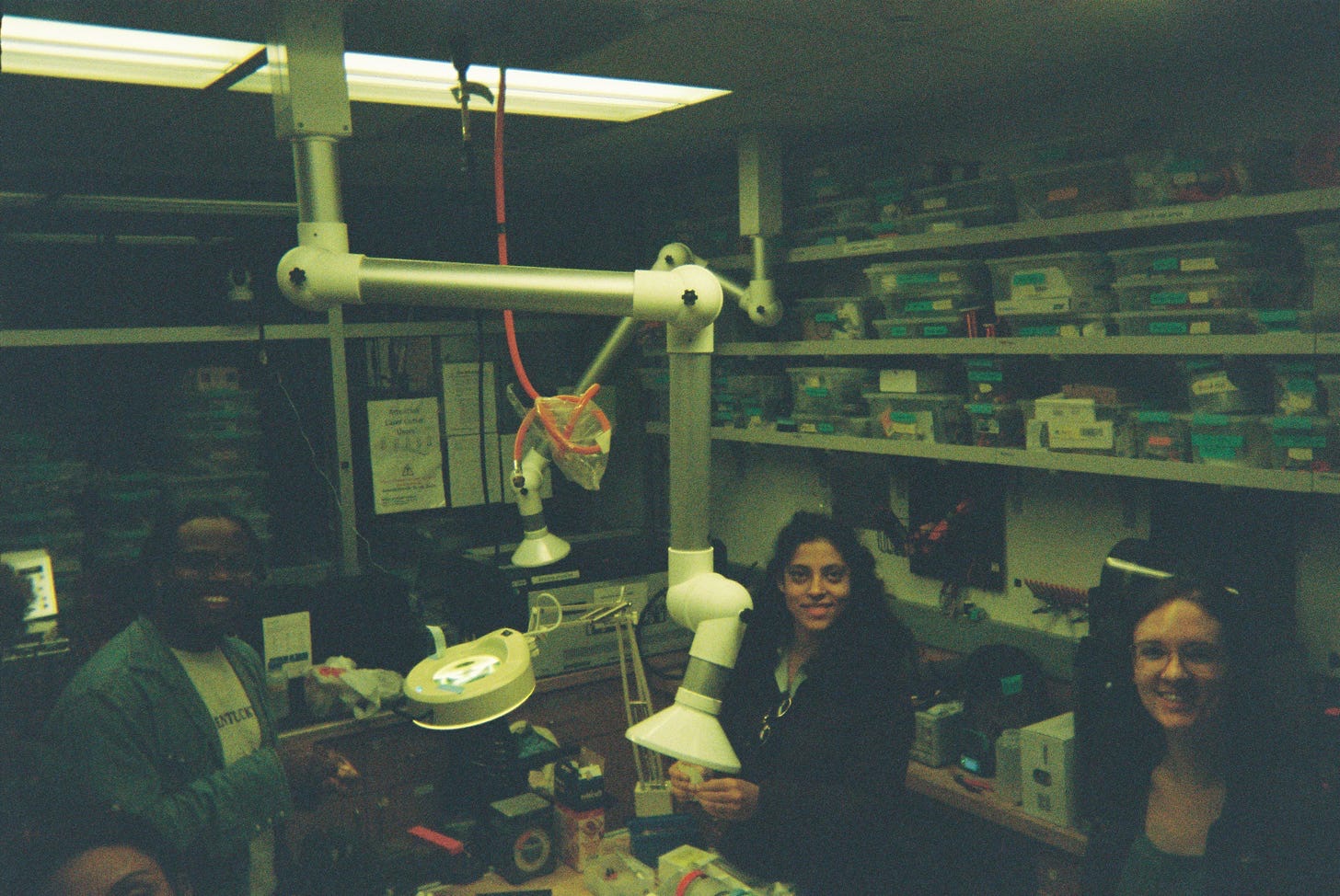
The puzzle took shape in the Prakash Lab at Stanford’s Shriram Center for Bioengineering, where Mahwish and I set up the 3D design and assembled the first pieces with real biological samples embedded — Jon and Mahwish powered by coffee cake. (More on that visit in A gathering of minds.)
A lesson every month
Thanks to Cynthia, the game will now be played every month, starting with this September’s first visit. Using interview guides built on the Knowledge, Attitudes, and Practices (KAP) framework, we’ll track learning over time and, we hope, help more people seek out treatment.
Thank you to Henry Ezeokeke for the artwork, matched to photos of the local area so it represents these communities; to Megan Ngai for making the life cycle a circular, flowing story and designing the KAP guides; to Richa John for insisting that the bees and butterflies must stay in the game; to Mahwish for iterating with me at the Prakash Lab; and to Thomas Copeland and Daniel Amao for the photos.
Understanding is what makes change last
A pill treats an infection; knowing how it spreads is what keeps a child safer the next time they reach the river. Help us bring Hidden Worlds back every month.